
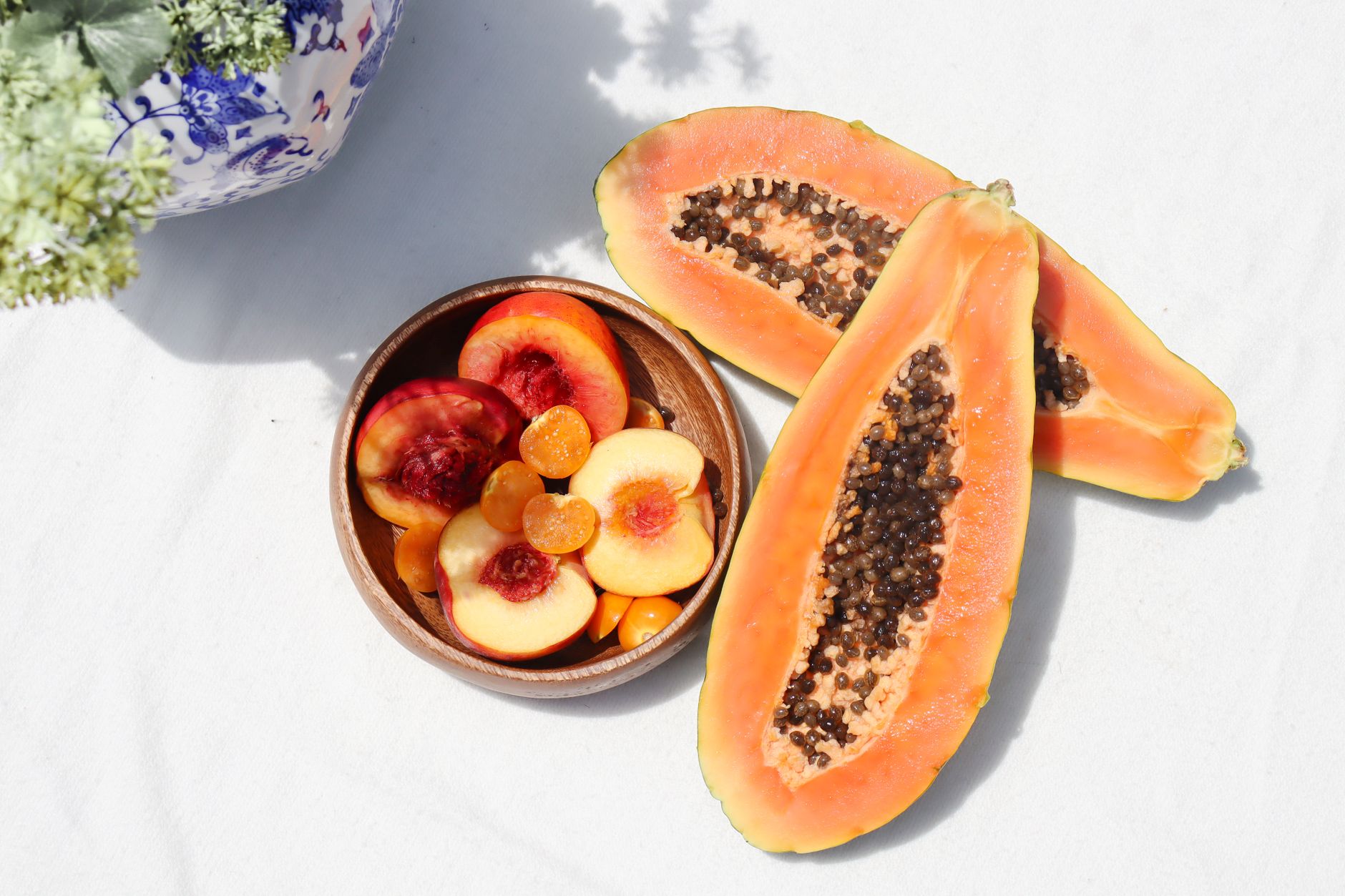
Nectarines, the smooth-skinned cousins of peaches, are not just delicious—they are also packed with nutrition and versatile in the kitchen. With their sweet, juicy flesh and vibrant color, they add a burst of flavor to many dishes while offering health benefits that support overall wellness.
This article explores what nectarines are good for, including their nutritional value, culinary uses, and tips for incorporating them into your diet. Let’s dive into the wonderful world of nectarines and discover why they deserve a spot on your grocery list.
What Are Nectarines Good For?
Nectarines are good for several reasons, including their rich nutritional profile, versatility in cooking, and potential health benefits. They provide vitamins, antioxidants, and hydration, making them a great addition to a balanced diet.
Nutritional Value of Nectarines
Nectarines are low in calories yet high in essential nutrients. Here’s a breakdown of what you can expect in a medium-sized nectarine, approximately 150 grams:
- Calories: 60
- Carbohydrates: 15 grams
- Fiber: 2 grams
- Sugar: 13 grams
- Protein: 1 gram
- Fat: 0 grams
Vitamins and Minerals
Nectarines are an excellent source of vitamins and minerals, including:
- Vitamin C: Essential for immune function and skin health.
- Vitamin A: Important for eye health and vision.
- Potassium: Helps regulate blood pressure and supports heart health.
- Folate: Necessary for cell division and important during pregnancy.
Health Benefits of Nectarines
Incorporating nectarines into your diet can offer several health benefits:
1. High in Antioxidants
Nectarines contain antioxidants like phenolics, which help combat oxidative stress in the body and may reduce the risk of chronic diseases.
2. Supports Digestive Health
The fiber content in nectarines aids digestion by promoting regular bowel movements and preventing constipation.
3. Hydration
High water content in nectarines helps keep you hydrated, making them a refreshing choice for hot weather.
4. Skin Health
The vitamins and antioxidants in nectarines support skin health, helping to maintain a youthful appearance and promote radiant skin.
5. Weight Management
Low in calories and high in fiber, nectarines can be a satisfying snack that helps control appetite while supporting weight management efforts.
Culinary Uses for Nectarines
Nectarines are incredibly versatile and can be used in various culinary applications:
Fresh Consumption
Enjoy nectarines fresh as a snack, in fruit salads, or sliced into cereals and yogurt for breakfast.
Baking and Desserts
Use nectarines in baking as a sweet and juicy filling for pies, tarts, or crumbles. They can also be added to cakes or breads for extra flavor.
Cooking
Grilled or roasted nectarines add a surprising depth to savory dishes. They can complement meats or be used in salads.
Preserves and Jams
Nectarines can be preserved as jams or made into nectarine sauce to accompany various dishes. Their sweetness makes them an excellent base for preserves.
Cooking Techniques for Nectarines
While nectarines can be enjoyed raw, several cooking techniques can enhance their flavor:
Grilling
Grilling nectarines caramelizes their sugars, intensifying their sweetness. To grill nectarines:
- Cut the nectarines in half and remove the pits.
- Brush the cut sides with a bit of olive oil to prevent sticking.
- Place them grill-side down on a preheated grill.
- Cook for 2-3 minutes until grill marks appear and they soften slightly.
- Serve warm as a side or atop salads.
Roasting
Roasting nectarines brings out their natural sweetness. Follow these steps:
- Preheat your oven to 400°F (204°C).
- Cut nectarines into wedges and arrange them on a baking sheet.
- Add a drizzle of honey or maple syrup for extra sweetness if desired.
- Roast for 15-20 minutes until soft and caramelized.
- Serve as a dessert or add to savory dishes.
Making Nectarine Sauce
Nectarine sauce can be a delicious topping for pancakes, waffles, or yogurt. Here’s a simple method:
- Dice 3-4 nectarines and place them in a saucepan.
- Add 1/4 cup of sugar and the juice of one lemon.
- Cook over medium heat, stirring frequently, until the nectarines break down and the mixture thickens, about 10-15 minutes.
- Cool and store in the refrigerator for up to a week.
Meal Planning with Nectarines
Incorporating nectarines into your meal plan can be both easy and delicious. Here are some ideas for using nectarines throughout the week:
Breakfast
- Add sliced nectarines to oatmeal or porridge.
- Blend nectarines into smoothies for a fresh start.
- Top Greek yogurt with nectarines and a sprinkle of granola.
Lunch
- Include nectarines in salads, pairing them with spinach and goat cheese.
- Prepare a turkey and nectarine sandwich on whole-grain bread.
- Make a nectarines and quinoa bowl with nuts and herbs.
Dinner
- Create a grilled chicken dish with a nectarine salsa.
- Serve oven-roasted nectarines alongside pork or lamb.
- Incorporate nectarines into a stir-fry for a sweet and savory balance.
Desserts
- Make a simple nectarine crisp topped with oats and brown sugar.
- Bake a nectarine pie with buttery flaky crust.
- Prepare a nectarine sorbet by pureeing nectarines and freezing the mixture.
Storage and Handling of Nectarines
Proper storage of nectarines ensures they maintain their flavor and texture:
Ripening
If your nectarines are unripe, store them at room temperature until they yield slightly to pressure. Once ripened, they can be kept in the refrigerator to slow down the ripening process.
Storage
To store nectarines:
- Keep them in a single layer to avoid bruising.
- Refrigerate ripe nectarines for up to a week.
- Store sliced nectarines in an airtight container with a little lemon juice to prevent browning.
Common Mistakes When Using Nectarines
A few common pitfalls to avoid with nectarines include:
- Choosing underripe nectarines: Always check for slight give when pressed.
- Overcooking: Nectarines should be tender but not mushy, especially when grilling or roasting.
- Neglecting to wash: Always rinse nectarines under cold water before eating or cooking to remove any pesticide residue.
Flavor Pairing Suggestions
Nectarines blend well with various flavors, enhancing numerous dishes. Some great pairing options include:
- Herbs: Mint, basil, and thyme.
- Spices: Cinnamon, ginger, and nutmeg.
- Cheeses: Goat cheese, feta, and ricotta.
- Nuts: Almonds, walnuts, and pistachios.
- Other Fruits: Peaches, berries, and citrus fruits.
Substitutions and Variations
If nectarines are unavailable, consider these substitutions:
- Peaches: Very similar flavor and texture, making them an easy swap in recipes.
- Apricots: These offer a tart sweetness similar to nectarines.
- Plums: These can provide a similar texture with a different flavor profile.
Conclusion
Nectarines are more than just a sweet fruit; they elevate dishes, contribute to a healthy diet, and provide delightful flavors and textures. Whether enjoyed fresh, cooked, or preserved, nectarines are a valuable ingredient that can transform your meals.
Explore the versatility of nectarines and try them in your next dish. You can also check out our excellent guides on making peach preserves and peach pie filling for delicious ways to enjoy this fruit.