
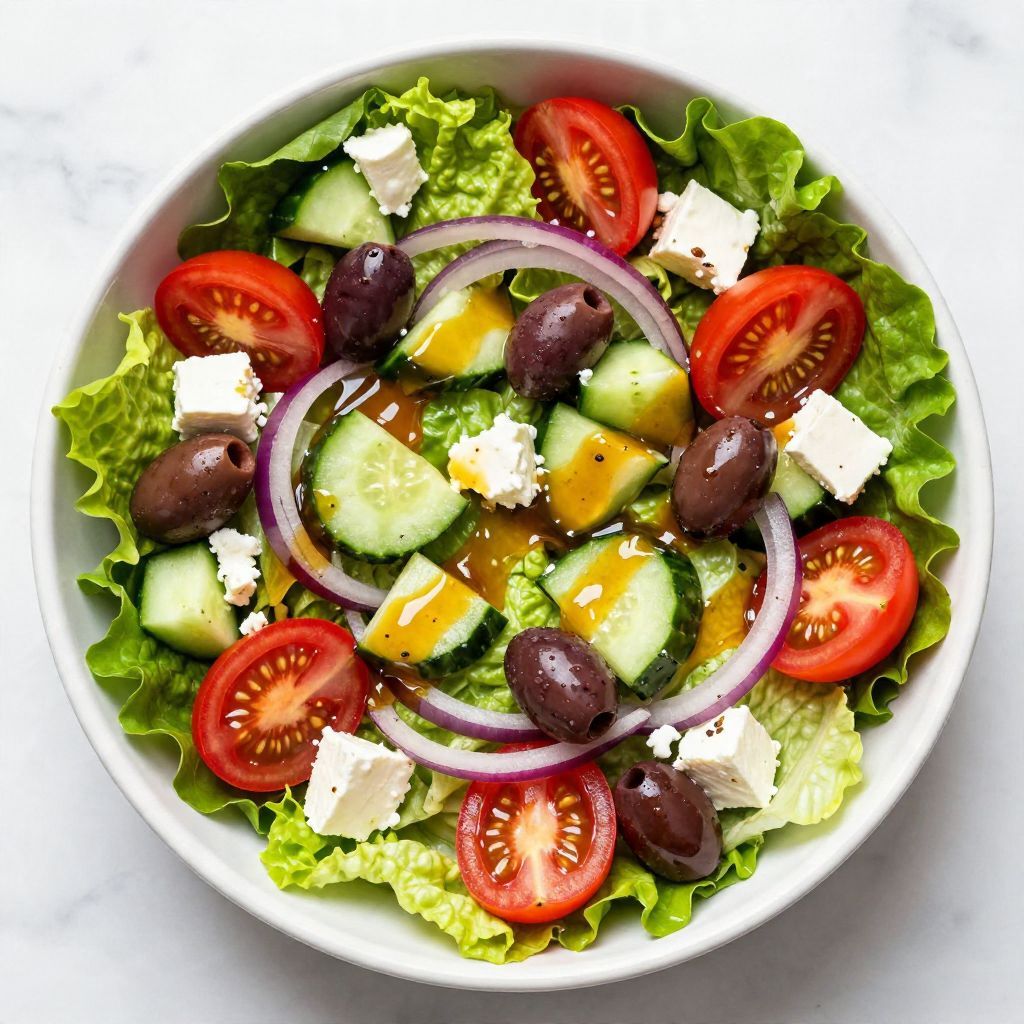
Picture this: a vibrant bowl of fresh salad drizzled with a zesty dressing that dances on your taste buds. That’s where Greek Salad Dressing comes in, and trust me, it’s a game changer for your salads. This dressing is a quick blend of flavors that captures the essence of the Mediterranean, making any salad feel like a special occasion. It’s versatile, packed with flavor, and super easy to whip up, perfect for busy weeknights or casual gatherings. Let’s dive into how you can make this delightful dressing at home!
Why You’ll Love This Recipe
This dressing is a staple that never disappoints. It’s the perfect complement to your favorite salads.
- Quick and easy to make with minimal ingredients.
- Versatile enough for salads, marinades, or drizzling on grilled vegetables.
- Fresh, bold flavors that elevate any dish.
- Customizable to fit your taste preferences.
- Healthy and packed with wholesome ingredients.
My Experience Making This Recipe
The first time I made this dressing, I was amazed at how simple it was and how quickly it transformed my salad. Just a few basic ingredients came together in a delightful whirl, creating a dressing that was bursting with flavor.
Every time I whip it up, I can’t help but think of sunny Mediterranean afternoons. My friends were equally impressed, and now it’s a must-have at every potluck.
Recipe Overview
- Recipe Name: Greek Salad Dressing
- Servings: 8
- Prep Time: 10 minutes
- Cook Time: 0 minutes
- Total Time: 10 minutes
- Course: Dressing
- Cuisine: Mediterranean
- Calories per Serving: 80
Equipment You Will Need
- Measuring cups
- Measuring spoons
- Whisk or jar with a lid for shaking
- Mixing bowl
Ingredients for Greek Salad Dressing
- 1/2 cup extra virgin olive oil
- 1/4 cup red wine vinegar
- 2 teaspoons dried oregano
- 1 teaspoon Dijon mustard
- 1 clove garlic, minced
- Salt to taste
- Pepper to taste
Ingredient Notes and Substitutions
- Extra virgin olive oil: Provides a rich flavor and healthy fats. Can be replaced with avocado oil for a lighter taste.
- Red wine vinegar: Adds acidity and depth. White wine vinegar can be used instead for a milder flavor.
- Dried oregano: A classic Mediterranean herb that gives authenticity. Fresh oregano can be substituted, but use about three times more.
- Dijon mustard: Helps emulsify the dressing and adds a tangy kick. You can omit it if you prefer a simpler flavor.
- Garlic: Adds a punch of flavor. Use garlic powder if you don’t have fresh, but adjust the amount.
How to Make Greek Salad Dressing
Step 1: Gather Your Ingredients
Start by collecting all your ingredients to make the process smooth and easy. Having everything ready means you can whip this up in no time.
Step 2: Measure the Olive Oil
Pour 1/2 cup of extra virgin olive oil into your mixing bowl or jar. Olive oil is the base of this dressing and gives it a rich texture.
Step 3: Add the Red Wine Vinegar
Add 1/4 cup of red wine vinegar to the bowl. This will provide a tangy kick that balances the oil beautifully.
Step 4: Incorporate Seasonings
Sprinkle in 2 teaspoons of dried oregano, 1 teaspoon of Dijon mustard, and 1 clove of minced garlic. These ingredients will create the signature Mediterranean flavor profile.
Step 5: Season It Up
Add salt and pepper to taste. Start with a pinch of each and adjust as needed; you want to enhance the flavors, not overpower them.
Step 6: Whisk or Shake
Use a whisk to combine everything well or seal the jar and shake vigorously. This emulsifies the oil and vinegar, creating a smooth dressing.
Step 7: Taste and Adjust
Give your dressing a taste test. If it’s too tangy, add a bit more oil; if it needs more zing, a splash of vinegar will do the trick.
Step 8: Store the Dressing
Transfer the dressing to a sealed container and refrigerate until ready to use. It can last up to a week, but the flavors are best within the first few days.
Pro Tip: For a creamier texture, add a dollop of Greek yogurt to the dressing.
Tips for the Best Greek Salad Dressing
- Use high-quality olive oil for the best flavor.
- Let the dressing rest for at least 30 minutes before serving to allow the flavors to meld.
- Shake or whisk just before serving, as the ingredients may separate.
- Adjust the garlic based on your preference; roasted garlic can provide a milder flavor.
- Experiment with fresh herbs for a brighter taste, especially during summer.
Common Mistakes to Avoid
- Using low-quality olive oil—it can lead to a bland dressing.
- Not letting the dressing sit—flavors need time to develop.
- Over-salting—start with a small amount and adjust gradually.
- Skipping the mustard—this helps emulsify the dressing.
Serving Suggestions
This dressing shines when paired with fresh salads or grilled vegetables. Here are some ideas to get you started:
- Classic Greek salad with feta and olives.
- Mixed greens topped with tomatoes and cucumbers.
- Drizzled over grilled chicken or fish.
- As a marinade for roasted vegetables.
- On a Mediterranean grain bowl with quinoa.
Variations to Try
- Add a teaspoon of honey for a touch of sweetness.
- Incorporate a spicy kick with red pepper flakes.
- Use fresh lemon juice instead of vinegar for a citrusy twist.
- Try different herbs like basil or thyme for unique flavors.
Dietary Adaptations
- Gluten-free: This recipe is naturally gluten-free.
- Dairy-free: No dairy ingredients are used, making it suitable for those avoiding dairy.
- Vegan: All plant-based ingredients mean it’s perfect for a vegan diet.
- Low-carb/keto: With minimal carbs, this dressing fits well into low-carb diets.
Storage and Reheating
Refrigerator
Keep the dressing in an airtight container in the refrigerator. It can last up to a week.
- Make sure to shake or stir before using.
- Store in a glass jar for easy access.
Freezer
This dressing is not recommended for freezing, as it may change texture.
- Fresh is always best for this recipe.
Reheating
No reheating is needed for this dressing; simply serve cold.
- Chill it before serving for the best flavor.
Nutrition Information
| Nutrient | Amount |
|---|---|
| Calories | 80 |
| Total Fat | 9g |
| Saturated Fat | 1g |
| Carbohydrates | 1g |
| Fiber | 0g |
| Sugar | 0g |
| Protein | 0g |
| Sodium | 15mg |
| Cholesterol | 0mg |
This nutritional information is approximate and may vary based on specific ingredients used.
Frequently Asked Questions
Can I use fresh herbs instead of dried?
Absolutely! Fresh herbs can add a brighter flavor, just use more than the dried amount.
How long can I store the dressing?
It can be stored in the refrigerator for up to a week, but it’s best when fresh.
Can I make this dressing ahead of time?
Yes, making it a day ahead allows the flavors to develop even more.
What if my dressing separates?
Just give it a good shake or whisk before serving to re-emulsify.
Can I adjust the tanginess?
Yes, you can add more oil for a less tangy flavor or more vinegar for extra zing.
Final Thoughts
Now that you have the recipe for this delightful Greek Salad Dressing, your salads are about to reach a whole new level. It’s fresh, zesty, and incredibly simple to make; once you try it, you’ll wonder how you lived without it.
Don’t forget to experiment with flavors to make it your own. For more delicious dressing recipes, check out my Catalina dressing recipe and my Chipotle dressing recipe.
Greek Salad Dressing
Ingredients
Equipment
Method
- Gather all your ingredients.
- Pour 1/2 cup of extra virgin olive oil into your mixing bowl.
- Add 1/4 cup of red wine vinegar to the bowl.
- Sprinkle in 2 teaspoons of dried oregano, 1 teaspoon of Dijon mustard, and 1 clove of minced garlic.
- Add salt and pepper to taste.
- Whisk or shake to combine all ingredients.
- Taste and adjust seasoning as needed.
- Transfer the dressing to a sealed container and refrigerate.