
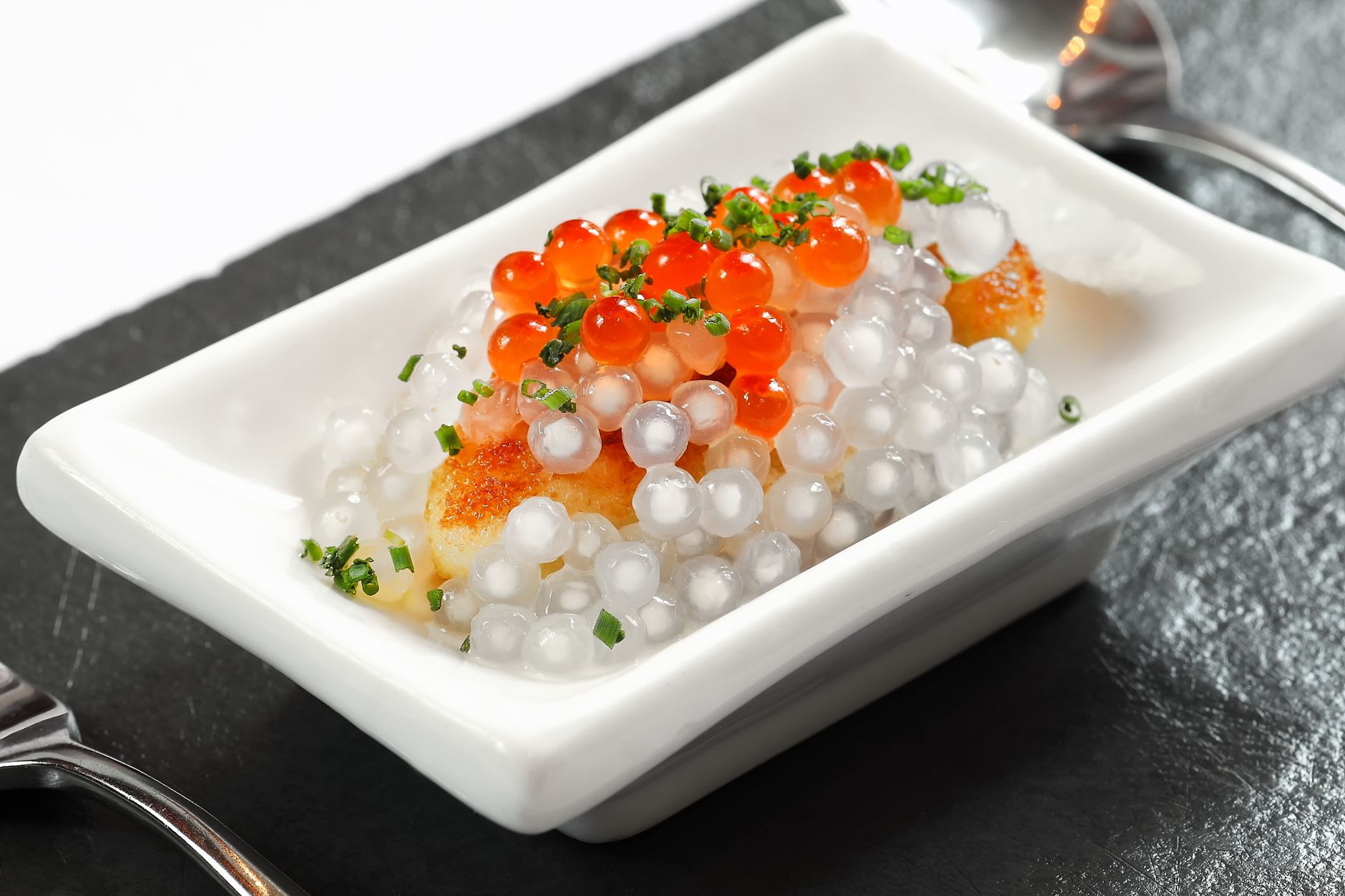
Caviar, a delicacy often associated with luxury and indulgence, commands a high price tag that leaves many wondering why. This gourmet food is treasured not just for its unique flavor profile but also for its complex production process, rarity, and cultural significance. Understanding the factors that contribute to the cost of caviar can enhance your appreciation for this exquisite ingredient.
In this article, we will explore the reasons behind the expense of caviar, the types available, its uses in culinary applications, and serving ideas to elevate your dining experience.
Why Is Caviar Expensive?
Caviar’s high price is largely due to the labor-intensive production process, the rarity of the fish, and the specific conditions required for harvesting and processing. Additionally, various factors such as the type of fish, the region it comes from, and its method of production further influence its cost.
The Types of Caviar and Their Values
There are several types of caviar, each offering different flavors, textures, and price points. The most popular ones include:
- Beluga Caviar: Derived from the Beluga sturgeon, this caviar is known for its large eggs and rich, buttery flavor. It is one of the most expensive varieties, partly due to the endangered status of the Beluga sturgeon.
- Osetra Caviar: Sourced from the Osetra sturgeon, this caviar has a nutty, briny taste and medium-sized eggs. While still pricey, it is generally more accessible than Beluga.
- Sevruga Caviar: With smaller eggs and a stronger flavor, Sevruga caviar comes from the Sevruga sturgeon and is often less costly than Beluga and Osetra.
- Sturgeon Roe: While considered caviar, this term typically refers to fish eggs from various sturgeon species and is often more affordable.
- Fish Roe: Other types of roe, such as salmon or trout eggs, are less expensive alternatives to traditional caviar but still offer unique flavors.
The Production Process
The journey of caviar from fish to table is a meticulous and time-consuming process. Here’s what you need to know about its production:
1. Sourcing the Fish
Caviar comes exclusively from various species of sturgeon, which are known to take many years to mature. Depending on the type, it can take 10 to 20 years for a sturgeon to reach the size needed to produce quality roe. The longer maturation time means that only a limited supply can be harvested, which directly affects pricing.
2. Harvesting the Eggs
Harvesting caviar involves carefully removing the eggs from the fish. Traditionally, this process was done by killing the sturgeon, but more modern, sustainable practices allow for non-lethal harvesting. These methods involve extracting the roe while keeping the sturgeon alive, which is a more humane option but requires greater care and precision.
3. Processing the Eggs
Once the eggs are harvested, they undergo a delicate rinsing and sorting process to ensure the highest quality. The eggs are then salted—a method known as “malossol”—to enhance flavor and preserve freshness. The specific salting process and preparation technique can influence the overall taste and price.
4. Aging and Packaging
After processing, caviar may be aged for a specific period to develop deeper flavors. Finally, the caviar is packaged in temperature-controlled environments to maintain quality and freshness during transport.
Factors Influencing Caviar’s Price
Several key factors contribute to the final price of caviar:
- Source of Fish: The type of sturgeon and where it is found can significantly impact price. Beluga caviar, for instance, is rarely farmed due to the fish’s endangered status, making it more expensive.
- Quality of Eggs: Factors such as egg size, color, and texture affect quality ratings. Higher-quality caviar, which features uniform coloration and firmness, commands higher prices.
- Production Methods: Sustainable production methods, although more ethical, often involve higher costs, which can be passed on to the consumer.
- Limited Supply: Due to the long maturation cycle and environmental regulations on fishing sturgeon, the supply of authentic caviar is limited, leading to increased demand and pricing.
Culinary Uses of Caviar
Caviar is a versatile ingredient that can elevate many dishes, whether you’re looking to impress at a dinner party or indulge in a lavish snack. Here are some common culinary applications:
1. Appetizers
Caviar is often served as an appetizer, accompanied by blinis (small pancakes), crème fraîche, or toasted bread. This traditional presentation allows the caviar’s flavors to shine through.
2. Garnish
It can be used as a garnish on various dishes, including pasta, seafood, and egg preparations. A dollop of caviar can transform a simple dish into an elegant masterpiece.
3. Salads and Canapés
Caviar also works well in salads and as a topping for canapés. Its briny flavor adds complexity to fresh ingredients, making it a popular choice for upscale events.
4. Sushi and Sashimi
In Japanese cuisine, caviar can be used as a topping or filling in sushi and sashimi dishes, offering a delightful contrast to the other ingredients.
5. Spreads and Dips
Caviar can be blended into spreads or dips, giving sandwiches and crackers a luxurious twist. A simple cream cheese spread mixed with caviar creates a savory treat.
Serving Ideas for Caviar
When serving caviar, presentation is key. Here are some ideas to enhance your caviar experience:
- Temperature: Serve caviar chilled; it can be placed in a bowl nested in ice to keep it fresh.
- Utensils: Use non-metallic utensils when serving caviar. Spoon options include mother-of-pearl, glass, or wood, which do not alter the flavor.
- Pairings: Caviar pairs beautifully with champagne or vodka. The crispness of these beverages complements the rich, briny flavors of the caviar.
- Accompaniments: Serve caviar with complementary ingredients like finely chopped shallots, quail eggs, and fresh lemon wedges to enhance the tasting experience.
Common Mistakes and Troubleshooting
To ensure you get the best out of your caviar, here are some common mistakes to avoid:
- Overheating: Caviar should always be served cold, and exposure to heat can negatively affect both flavor and texture.
- Using the Wrong Utensils: Avoid metal utensils, as they can impart unwanted flavors. Stick with mother-of-pearl, glass, or plastic options.
- Improper Storage: Keep opened caviar refrigerated and consume within a few days for the best taste. If left out, it can spoil quickly.
Storage and Preservation
To maintain the quality of caviar, proper storage is essential. Follow these guidelines for the best results:
- Refrigeration: Store opened caviar in the refrigerator and use an airtight container to prevent exposure to air.
- Temperature Control: Maintain a consistent cold temperature, ideally between 28°F to 32°F (-2°C to 0°C) for optimal freshness.
- Do Not Freeze: Freezing caviar can alter its texture, so avoid this method of preservation.
Understanding the Market
When purchasing caviar, it’s essential to be aware of the market and the different price ranges you’ll encounter. Here are some tips:
- Source Responsibly: Look for caviar that is sustainably sourced and certified by organizations focused on wildlife conservation.
- Research Brands: Familiarize yourself with reputable brands known for their quality, as they often guarantee authentic, high-grade caviar.
- Compare Prices: Caviar prices can vary significantly based on quality and type. Compare offerings from different sellers to determine what suits your budget.
Conclusion
Understanding why caviar is expensive involves appreciating the effort behind its production, the rarity of fish species, and the dedicated practices required to ensure quality. Whether you enjoy caviar as an indulgence or as a part of fine dining, knowing its origins and complexities adds depth to your culinary experience.
Next time you consider indulging in this luxury food, remember the delicate art behind it, which helps justify its elevated price. Explore how to create your own lox with our lox recipe or learn more about various fish products by checking out what herring is.