
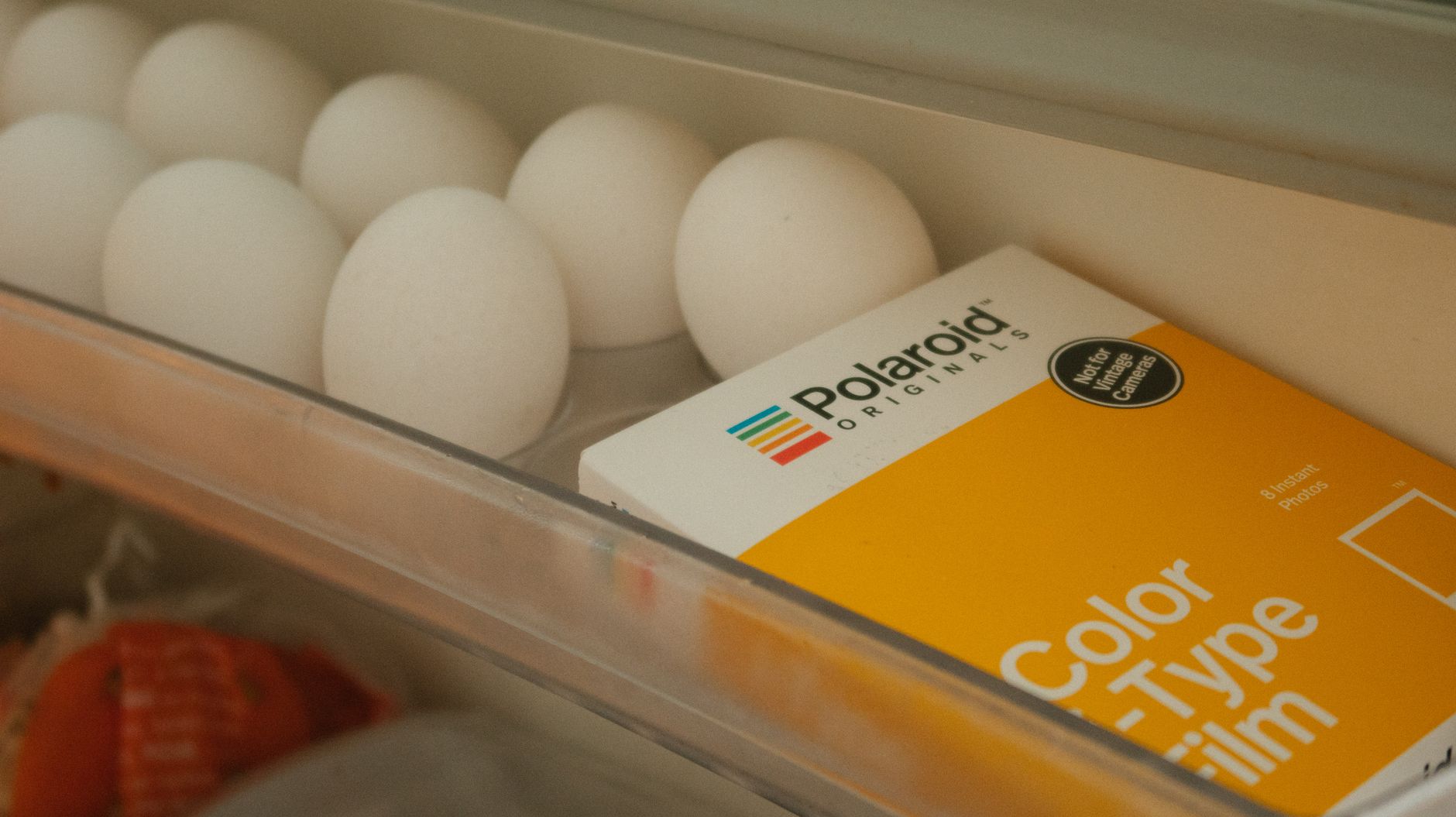
Eggs are a versatile ingredient that can be used in countless dishes ranging from breakfast to desserts. However, understanding how long they last in the fridge is crucial to maintaining food safety and quality. In this guide, we’ll explore the shelf life of eggs, proper storage techniques, and tips for ensuring you get the most out of this staple ingredient.
With proper knowledge, you can avoid food waste and enjoy your eggs while they’re still fresh. Whether you’re a casual cook or a seasoned chef, knowing how to store eggs correctly can enhance your culinary experience. Let’s dive into the details of how long eggs last in the fridge and how best to keep them.
How Long Does Eggs Last in the Fridge?
Typically, raw eggs can be stored in the refrigerator for about three to five weeks after the purchase date. When cooked, eggs can last up to one week. However, certain factors, such as the storage conditions and the state of the eggs, can influence their longevity.
Understanding Egg Expiration Dates
Egg cartons usually have a sell-by or expiration date printed on them. It’s important to understand these labels:
- Sell-by date: This date is more of a guideline for retailers and helps them manage inventory. Eggs can still be safe to consume for several weeks after this date if stored correctly.
- Expiration date: This date indicates the last day the eggs are expected to be at their best quality. However, they can often be used beyond this date when stored properly.
How to Store Eggs Properly
To maximize the freshness of your eggs, proper storage is essential. Here are some tips for storing eggs in the refrigerator:
- Keep them in the original carton: The carton protects eggs from absorbing strong odors and flavors from other food items and helps prevent moisture loss.
- Store eggs in the main body of the refrigerator: Avoid keeping them in the refrigerator door, where temperatures fluctuate more frequently. The constant temperature in the main compartment is ideal for preserving freshness.
- Check the temperature: Eggs should be stored at a temperature of 40°F (4°C) or lower to maintain optimal freshness.
Signs of Spoiled Eggs
As with any food item, it’s important to know when eggs are no longer safe to eat. Here are some signs of spoiled eggs:
- Odor: A sulfur-like smell is a sure sign that an egg has gone bad.
- Visual indicators: If the egg white is cloudy or there is excessive discoloration, it could indicate spoilage.
- Float test: To check an egg’s freshness, place it in a bowl of water. Fresh eggs will sink, while older eggs will float due to the larger air cell inside. While floating eggs are likely expired, they should still be cracked open to confirm safety.
How Long Do Different Types of Eggs Last?
Different preparations and types of eggs have varying shelf lives. Here’s a breakdown:
Raw Eggs
Raw eggs can be kept in the refrigerator for three to five weeks. It’s best to consume them as soon as possible after purchase for maximum freshness.
Hard-Boiled Eggs
Hard-boiled eggs can last up to one week in the fridge. Store them in a covered container to maintain their quality and avoid drying out.
Cooked Eggs
Cooked egg dishes, such as quiches or casseroles, should be consumed within three to four days when stored in an airtight container. If you prepared a large batch, consider labeling it with the date to keep track.
Egg Whites and Yolks
If you separate egg whites and yolks, store them in airtight containers. Egg whites can last for about two to four days, while egg yolks can be stored for around two days. Make sure to cover them with water or airtight lids to prevent them from drying out.
Freezing Eggs for Extended Storage
If you find yourself with more eggs than you can use before they spoil, consider freezing them. While whole eggs can be frozen, it’s important to follow some basic procedures to ensure safety and quality:
- Crack and beat: Crack the eggs into a bowl and beat them until mixed. This prevents the yolks from becoming gelatinous during freezing.
- Use proper containers: Pour the beaten eggs into ice cube trays or freezer-safe containers.
- Label and freeze: Mark your containers with the date and type of egg before placing them in the freezer. They can be stored for up to six months.
Common Mistakes to Avoid
When it comes to storing eggs, there are several common mistakes that can lead to reduced freshness and possible spoilage:
- Storing eggs in the refrigerator door: This area is too warm and can lead to premature spoilage.
- Not checking for freshness: Always check the dates and use freshness tests when in doubt.
- Washing eggs: If you wash eggs, it removes the protective coating that keeps bacteria out. Store unwashed eggs instead.
Cooking with Older Eggs
It’s safe to use older eggs for certain cooking methods provided they still show no signs of spoilage. For example, older eggs are perfect for hard boiling because the air cell inside expands over time, making them easier to peel. However, avoid using them in dishes that require raw eggs, like mousses or homemade mayonnaise, unless you are absolutely sure they are still fresh.
Frequently Asked Questions About Egg Storage
Can I eat eggs past the sell-by date?
Yes, eggs can often be safe to eat for several weeks past the sell-by date if they have been stored properly. Always conduct a freshness test if you’re unsure.
What’s the best way to tell if an egg is bad?
Perform the float test by placing the egg in water. Fresh eggs will sink, and if it floats, it’s best to discard it. Also, check for any off smells or visual signs of spoilage.
How can I ensure I’m buying the freshest eggs?
Check the sell-by or expiration dates on the carton. Choose eggs near the end of the date range for the freshest options. Additionally, look for clean, uncracked shells as a sign of quality.
Conclusion and Next Steps
Understanding how to store and recognize the freshness of eggs is vital for anyone who enjoys cooking. By following proper storage guidelines, checking for signs of spoilage, and utilizing freezing methods, you can get the most out of your eggs. Armed with this knowledge, you can feel confident that you are using eggs safely and enjoying their delicious flavors and textures in your cooking.
For more information on egg storage and safety, check out how long you can keep eggs in the refrigerator and learn how long eggs last after their sell-by date.