
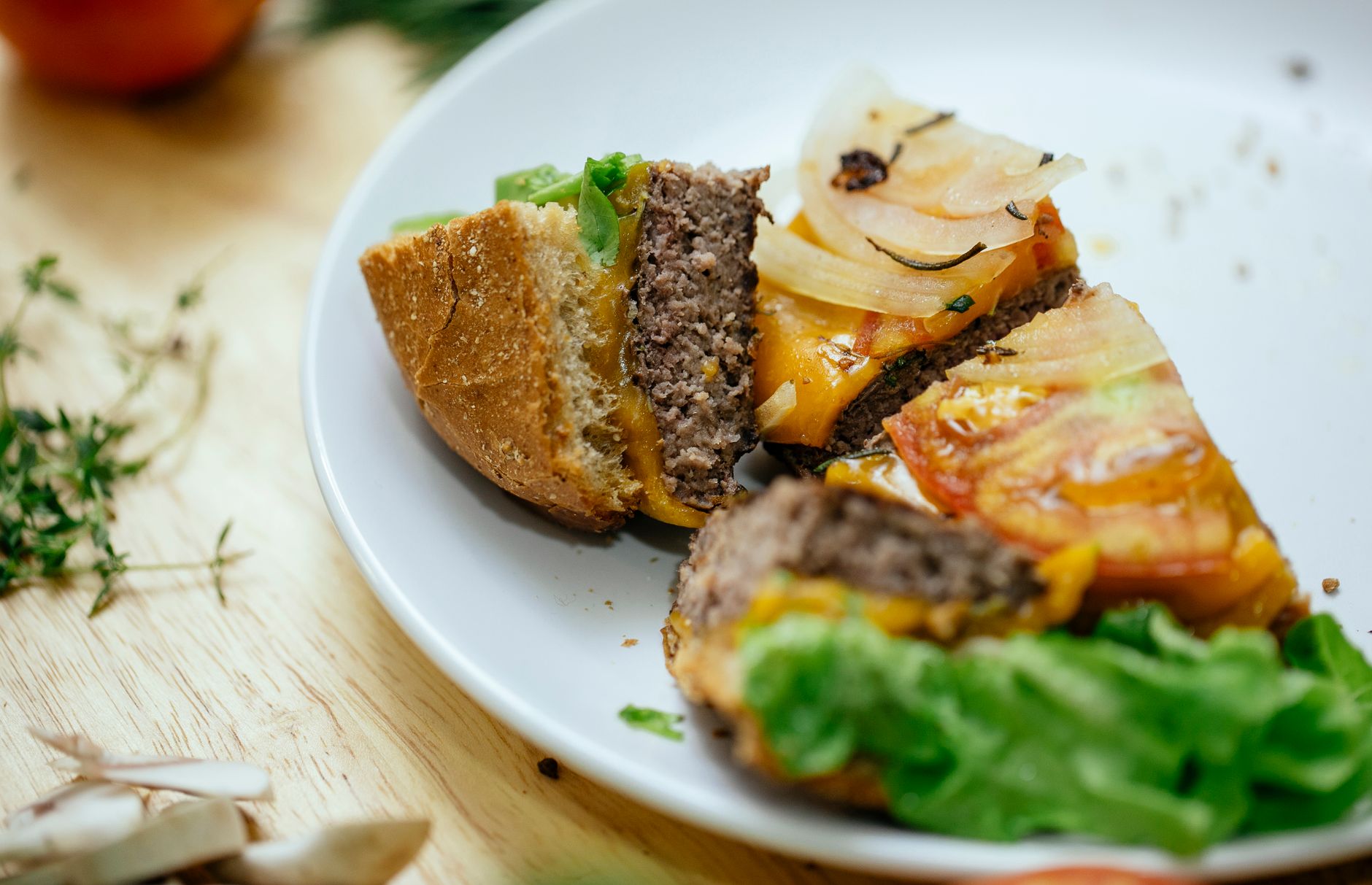
The Quarter Pounder is a popular burger known for its juicy beef patty and flavorful toppings. It captures the essence of fast-food enjoyment crafted into a simple meal. Understanding its caloric content and nutrition profile can aid consumers in making informed dietary choices.
In this detailed article, we will explore the calorie count of a Quarter Pounder, including variations, nutritional elements, and portion considerations. Such knowledge is vital for those who are watching their intake or simply curious about what they are consuming.
How Many Calories in a Quarter Pounder?
A standard Quarter Pounder with cheese typically contains around 520 calories. This calorie count may vary depending on the toppings, condiments, and type of cheese used.
Factors influencing the calorie count include:
- Variations in cheese (American, Swiss, or no cheese)
- Additions such as bacon or extra condiments
- Different serving locations may have slight recipe variations
Nutritional Breakdown of the Quarter Pounder
Beyond just calories, understanding the nutritional composition can help in evaluating whether the Quarter Pounder fits within your dietary preferences. Here’s a breakdown of a standard Quarter Pounder with cheese:
- Calories: 520
- Total Fat: 28 grams
- Saturated Fat: 12 grams
- Trans Fat: 1 gram
- Cholesterol: 90 milligrams
- Sodium: 1,130 milligrams
- Total Carbohydrates: 40 grams
- Dietary Fiber: 2 grams
- Sugars: 7 grams
- Protein: 30 grams
This nutritional profile indicates that the burger is relatively high in calories, fat, and sodium, which are important considerations for many individuals, particularly those monitoring their dietary intake or managing health conditions.
Portion Sizes and Serving Suggestions
When considering a Quarter Pounder, portion size is key. While a single burger can serve as a quick meal, it often does not provide sufficient vegetables or whole grains. Pairing it with healthier side options enhances its nutritional value.
Suggested Pairings:
- Side Salad: A light salad with vinaigrette dressing adds fiber and nutrients.
- Fruit Cup: Fresh fruit is a refreshing complement that balances the meal.
- Baked Fries: If you desire fries, opting for baked over fried can provide a healthier side option.
Adjusting Calories through Customization
For those looking to maintain or reduce caloric intake while enjoying a Quarter Pounder, customization is essential. Here are some ways to adjust the calorie content efficiently:
Ingredient Adjustments
- No Cheese: Eliminating the cheese can reduce the calorie count by about 100 calories.
- Bacon Addition: While adding bacon increases flavor, it also contributes about 40-80 extra calories depending on the amount.
- Heavy Condiments: Sauce quantities make a difference; opting for lighter or fewer condiments will help lower overall calories.
Being mindful of condiments such as mayonnaise, ketchup, and special sauces can lead to significant calorie savings, as heavy sauces can contain many grams of sugar and fat.
Calories in Quarter Pounder Variations
The Quarter Pounder comes in several variations, leading to different calorie counts. Here are some common variations you might encounter:
Quarter Pounder with Cheese
This classic option includes a cheese slice and contains approximately 520 calories, as previously mentioned.
Double Quarter Pounder with Cheese
This version features two beef patties and is significantly higher in calories, at around 740 calories. The doubled protein can be more satisfying but may exceed caloric needs for some individuals.
Quarter Pounder Deluxe
With additional toppings such as lettuce and tomato, the calorie count typically remains around 540-560 calories, with the fresh vegetables providing some nutritional benefits.
Quarter Pounder with Bacon
Adding bacon gives a flavor boost but increases the calorie count roughly by 40-80 calories, bringing the total up to approximately 560-600 calories.
Making Healthier Choices at Fast Food Restaurants
While indulging in fast food is enjoyable, moderation is key, especially with calorie-dense options like the Quarter Pounder. Here are some tips for making healthier choices:
- Check the Menu: Many fast-food restaurants provide nutritional information on their websites or in-store.
- Mind the Portion Size: Consider sharing a meal or choosing smaller sizes.
- Opt for Grilled Options: Some restaurants offer grilled chicken or fish as alternatives, which can be lower in calories.
- Hydrate: Choose water or unsweetened beverages instead of sugary sodas to reduce calorie intake.
Common Misunderstandings About Fast Food Calories
There are often misconceptions regarding fast-food calories. Here are a few noted misunderstandings:
- All Fast Food is Unhealthy: While many fast-food meals are calorie-rich, balancing them with healthier choices can lead to a satisfying diet.
- Calorie Counting is the Only Metric: Focus on the quality of foods, not just calories. Nutrient density is essential.
- Skip Meals to Compensate: Skipping meals can lead to overeating later. Aim for balance and moderation instead.
How to Incorporate a Quarter Pounder into Your Meal Plan
For those integrating fast food into a balanced diet, planning is essential. Here’s how to include a Quarter Pounder while maintaining a healthy eating pattern:
Sample Meal Plan Including a Quarter Pounder
- Breakfast: Overnight oats with fruit and nuts (around 250 calories).
- Lunch: Quarter Pounder with cheese (520 calories) paired with a side salad (150 calories).
- Snack: Greek yogurt with honey (200 calories).
- Dinner: Baked salmon with quinoa and steamed broccoli (500 calories).
This sample meal plan provides approximately 1,620 calories, allowing for some caloric flexibility throughout the day. Building meals around nutrient-dense choices can help mitigate the calorie density of a burger.
Where to Find Nutritional Information
Most fast-food chains provide calorie counts and nutritional information on their official websites or in stores. Here’s how to access this valuable resource:
- Visit the official restaurant website.
- Use mobile apps that aggregate nutritional information.
- In-store pamphlets or nutrition charts are often located near the counter.
A proactive approach to understanding nutritional profiling can be beneficial for maintaining a balanced diet.
Storage and Reheating Suggestions
If you find yourself with leftover Quarter Pounders, proper storage and reheating techniques will ensure the best possible quality:
- Storage: Wrap the burger in foil or place it in an airtight container. Refrigerate promptly and consume within 1-2 days for safety.
- Reheating: For better quality, reheat it in an oven or an air fryer to retain crispness rather than microwaving, which may make the bun soggy.
Conclusion
Understanding the caloric content and nutritional value of a Quarter Pounder empowers you to make informed dietary choices. With a standard count of approximately 520 calories, it’s essential to consider portion sizes and pairings for a balanced meal. Customization also plays a pivotal role in managing caloric intake while still enjoying this favorite fast-food classic. Engage in mindful eating, and remember that balance is key in any meal plan.
Explore related recipes, cooking tips, or food guides to enhance your meal planning journey, such as the calories in 2 scrambled eggs or the calories in pho.