
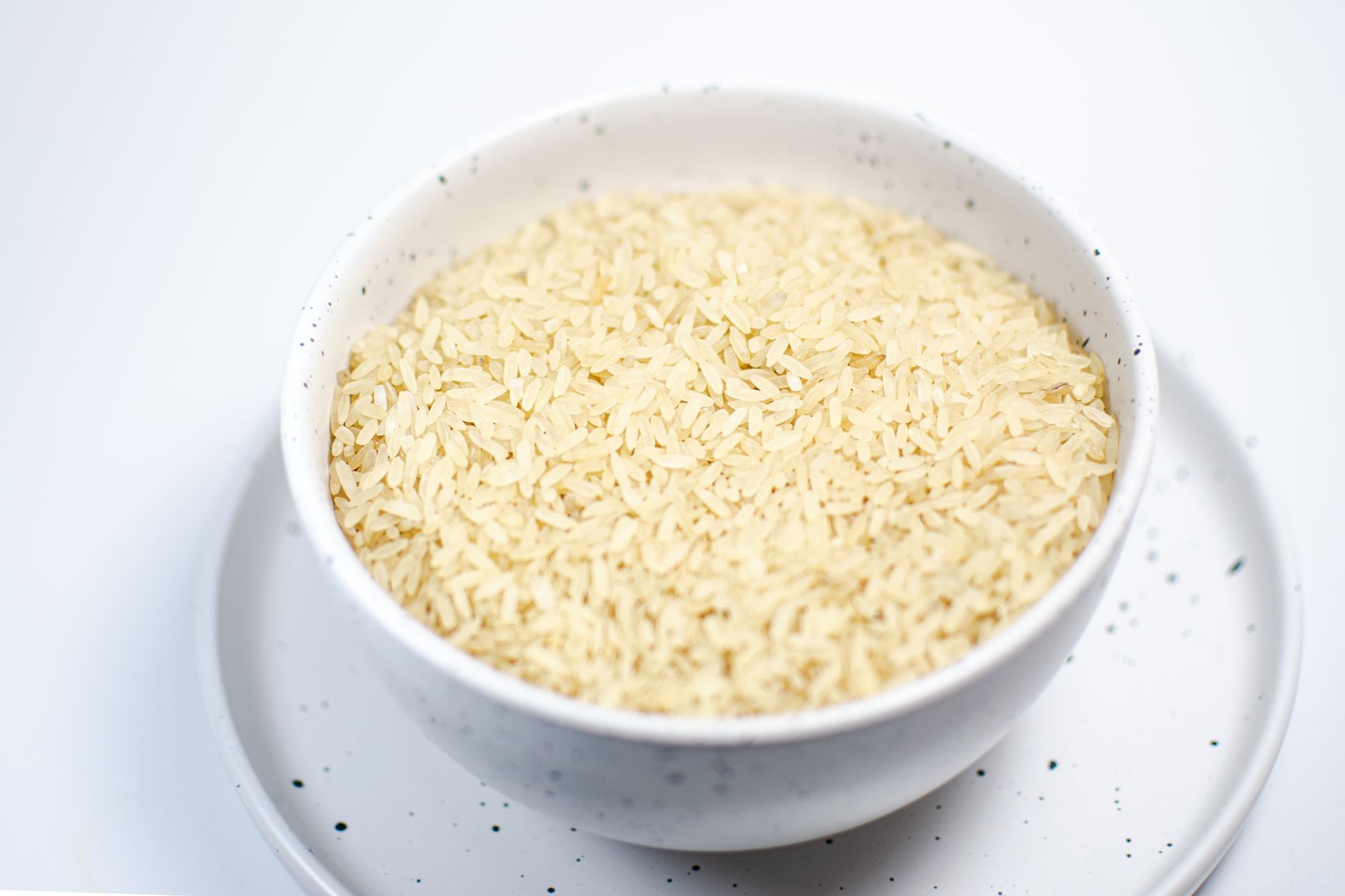
Jasmine rice is a popular variety of long-grain rice known for its floral aroma and delicate flavor. Frequently used in Southeast Asian cuisine, especially Thai dishes, it pairs well with a variety of ingredients. As health-conscious individuals become more mindful of their diets, questions arise about whether jasmine rice may contribute to inflammation in the body. This article will explore the properties of jasmine rice, its nutritional profile, and whether it can be considered anti-inflammatory.
Understanding such connections can help you make informed choices about your diet and meal planning. As we delve deeper into this topic, we’ll also investigate how jasmine rice fits into an overall anti-inflammatory diet, along with practical tips for incorporating it into your meals.
Is Jasmine Rice Anti Inflammatory?
Jasmine rice itself is not known to possess significant anti-inflammatory properties. However, it is essential to consider its overall nutritional impact and potential role in an anti-inflammatory diet. Consumed in moderation, it can be part of a balanced diet, especially when paired with anti-inflammatory ingredients like vegetables and lean proteins.
What is Anti-Inflammatory Food?
Anti-inflammatory foods are those that may help reduce inflammation in the body. Inflammation is a natural response of the immune system, but chronic inflammation can contribute to various diseases, including arthritis, heart disease, and diabetes. Foods that are typically considered anti-inflammatory include:
- Fruits and vegetables, especially those rich in antioxidants, such as berries, spinach, and kale
- Healthy fats, like olive oil and avocados
- Nuts and seeds, particularly walnuts and chia seeds
- Whole grains, such as quinoa and brown rice
- Fatty fish, like salmon and mackerel
- Herbs and spices, notably turmeric and ginger
Nutritional Profile of Jasmine Rice
It is vital to comprehend jasmine rice’s nutritional composition to assess how it fits into an anti-inflammatory diet. Jasmine rice is characterized by its high carbohydrate content, low fat, and moderate protein. Below are the average nutritional values for 1 cup (cooked) of jasmine rice:
- Calories: 205
- Total Fat: 0.4g
- Saturated Fat: 0.1g
- Carbohydrates: 45g
- Fiber: 0.6g
- Sugar: 0.1g
- Protein: 4.3g
While jasmine rice is a source of energy, it lacks fiber when compared with whole grains. The refined nature of white jasmine rice can lead to a rapid spike in blood sugar levels. Therefore, it is beneficial to moderate consumption or consider whole grain alternatives when focusing on reducing inflammation.
Jasmine Rice and Blood Sugar Levels
Consuming jasmine rice may affect blood sugar levels because it is a high-glycemic index food. The glycemic index (GI) measures how quickly certain foods raise blood sugar levels. High-GI foods can lead to spikes and dips in blood sugar, potentially exacerbating inflammation. It is crucial to consider how to enjoy jasmine rice without interfering with your blood sugar levels and increasing inflammation risk.
Making Jasmine Rice More Anti-Inflammatory
While jasmine rice may not inherently be anti-inflammatory, you can take steps to enhance its nutritional profile and mitigate inflammation effects:
- Portion Control: Keep serving sizes reasonable. A quarter to half a cup of cooked jasmine rice can fit into a balanced meal.
- Pair It Wisely: Complement jasmine rice with anti-inflammatory foods. Adding plenty of vegetables, lean proteins, and healthy fats can transform a dish. Consider a vegetable stir-fry with jasmine rice, including bell peppers, broccoli, and tofu.
- Consider Whole Grain Options: Explore options like brown jasmine rice, which retains its bran and germ layers. This variety has more fiber, nutrients, and a lower glycemic index.
- Add Herbs and Spices: Incorporate herbs and spices like ginger and turmeric when cooking jasmine rice for added anti-inflammatory benefits. Their anti-inflammatory properties can contribute to overall health.
Alternative Rice Varieties: A Closer Look
If you are concerned with inflammation and blood sugar levels, you might consider exploring alternative rice varieties. Here are some options:
- Brown Rice: This whole grain is higher in fiber, which supports better digestion and lower glycemic indexing.
- Quinoa: Often considered a superfood, quinoa is a complete protein and rich in fiber, both of which can help regulate inflammation.
- Cauliflower Rice: For a low-carb alternative, cauliflower rice can provide some nutrients while being much lower in calories and carbohydrates.
- Wild Rice: Higher in nutritional value, containing more antioxidants and vitamins compared to white rice.
Cooking Tips for Jasmine Rice
When preparing jasmine rice, there are essential techniques to ensure it turns out perfectly. The flavor and texture enhance the overall meal experience:
Essential Tools
- Medium saucepan with a lid
- Measuring cup
- Wooden spoon or spatula
- Rinse bowl or sieve
Perfect Cooking Method
- Rinse the rice under cold water in a fine sieve until the water runs clear. This removes excess starch and prevents clumping.
- Measure 1 cup of rinsed jasmine rice and 1.5 cups of water or broth (for added flavor) into the saucepan.
- Bring the water to a boil over medium heat.
- Once boiling, reduce to low heat and cover the saucepan tightly with the lid.
- Simmer for about 15 minutes, or until all water is absorbed.
- Turn off the heat and let the rice sit, covered, for another 10 minutes to allow the steam to finish cooking the rice.
- Fluff with a fork and serve warm.
Common Mistakes When Cooking Jasmine Rice
Even simple recipes can present challenges. Avoid these common errors to perfect your jasmine rice:
- Not Rinsing: Failing to rinse the rice can lead to gummy and sticky rice.
- Incorrect Water Ratio: Using too much or too little water can result in soggy or undercooked rice.
- Removing the Lid Too Early: Lifting the lid during cooking releases steam, which is crucial for proper texture.
- Skipping the Resting Step: Allowing the rice to rest after cooking is essential for achieving fluffy results.
Meal Planning Ideas with Jasmine Rice
To integrate jasmine rice into an anti-inflammatory meal plan, consider various recipes that enhance its flavor and nutritional profile. Here are a few meal ideas:
Breakfast
While rice for breakfast might seem unconventional, you can create a flavorful rice bowl:
- Jasmine Rice Breakfast Bowl: Combine cooked jasmine rice with almond milk, cinnamon, and fresh fruits like banana or berries. Top it with a sprinkle of chia seeds for additional nutrients.
Lunch
Wholesome lunch ideas using jasmine rice include:
- Vegetable Stir Fry: Toss jasmine rice with colorful veggies and tofu or chicken, seasoned with soy sauce, ginger, and garlic.
- Rice Salad: Mix jasmine rice with shredded carrots, cucumber, and edamame, drizzled with sesame oil and lime juice.
Dinner
For a balanced dinner, consider:
- Curry: Serve jasmine rice with a hearty coconut milk and vegetable curry, rich in spices known for their anti-inflammatory properties.
- Grilled Chicken: Pair jasmine rice with marinated grilled chicken and steamed green beans for a satisfying meal.
Snacks
If you are searching for snack ideas featuring jasmine rice, consider:
- Rice Cakes: Spread almond or peanut butter on jasmine rice cakes, topped with banana slices.
- Rice Pudding: Cook jasmine rice with coconut milk and sweetened with honey, garnished with nuts and dried fruit.
Storage and Reheating Guidelines for Jasmine Rice
Storing and reheating jasmine rice properly can ensure that it maintains its quality:
Storage Tips
- Cool cooked rice quickly and store it in an airtight container in the refrigerator for up to four days.
- For longer storage, freeze cooked jasmine rice in portions, which can be stored for up to six months.
Reheating Guidelines
- When reheating rice from the refrigerator or freezer, add a splash of water to help steam the grains and return them to their original texture.
- Heat in the microwave for one to two minutes, stirring halfway through, or in a saucepan over low heat until warmed through.
Conclusion
Incorporating jasmine rice into a balanced diet does not have to compromise your anti-inflammatory goals. While jasmine rice alone may not provide significant anti-inflammatory benefits, when complemented with nutritious ingredients and mindful eating practices, it can serve as a delightful base in various recipes. Ultimately, focusing on a diverse, colorful plate of anti-inflammatory foods will yield the best results for overall health.
For more health-conscious recipes, tips on meal planning, and exploring ingredients, you can try delicious chia pudding with coconut milk or delve deeper into whether an anti-inflammatory diet is safe. Enjoy your culinary explorations and make informed choices that benefit your health!
For more recipes and cooking guidance, discover delicious chia pudding and learn about the safety of anti-inflammatory diets.