
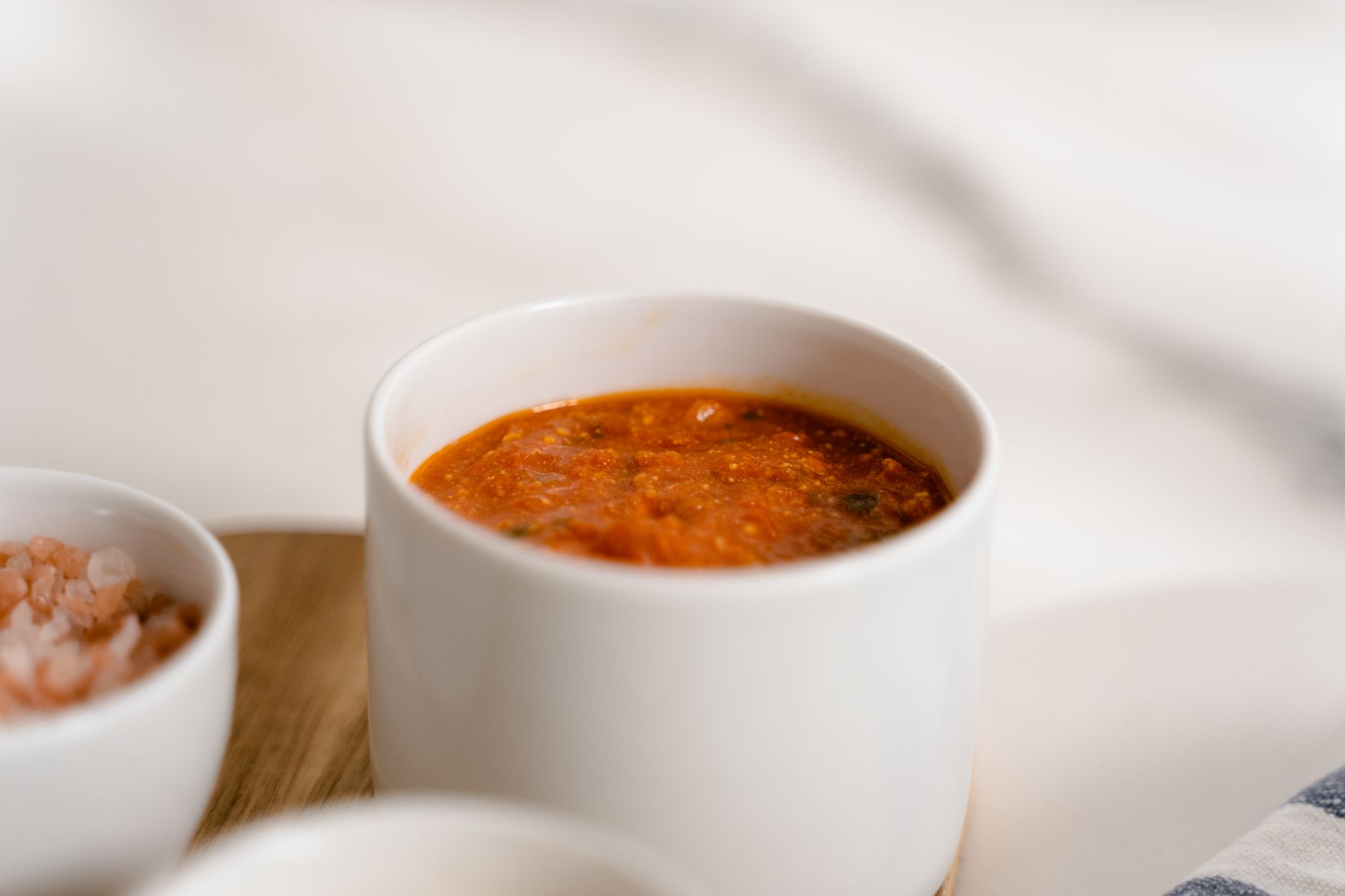
When it comes to Italian cuisine, the terms “marinara sauce” and “pasta sauce” often get mixed up. Many people question whether the two are interchangeable or if they have distinct differences. This article aims to clarify these terms, exploring flavor profiles, common uses, and key differences to help you make informed choices in the kitchen.
Understanding these sauces can elevate your cooking game and enhance your meals. Whether you’re preparing a simple pasta dish or looking to experiment with more complex recipes, knowing the nuances between marinara sauce and pasta sauce will allow you to choose the right sauce for your dishes.
Is Marinara Sauce the Same as Pasta Sauce?
Marinara sauce and pasta sauce are not the same. Marinara is a specific type of sauce made primarily from tomatoes, garlic, herbs, and olive oil, known for its fresh, zesty flavor. Pasta sauce, on the other hand, is a broader category that can include various types of sauces, including marinara, sauces made with cream, meat-based sauces, and more.
What is Marinara Sauce?
Marinara sauce is a classic Italian tomato-based sauce characterized by its simplicity and fresh ingredients. Traditionally, it is made using:
- Tomatoes (usually San Marzano or plum tomatoes)
- Garlic
- Fresh herbs like basil and oregano
- Olive oil
The sauce is typically simmered for a short period, allowing the fresh flavors to shine through. Marinara sauce is often used in many Italian dishes, including pasta, pizza, and as a dipping sauce for appetizers like mozzarella sticks.
Flavor Profile of Marinara Sauce
Marinara sauce delivers a bright, tangy taste, making it a favored option for those who prefer a lighter, fresher sauce. The garlic and herbs provide depth while keeping the focus on the tomatoes. The texture is relatively smooth but can vary depending on how finely the tomatoes are crushed or blended.
What is Pasta Sauce?
Pasta sauce refers to any sauce that is served with pasta. This encompasses a wide variety of sauces, from the rich and creamy Alfredo to the hearty Bolognese. Pasta sauce can be homemade or store-bought, offering versatility in flavor and ingredients. Here are some common types of pasta sauces:
- **Alfredo**: A creamy sauce made with butter, cream, and parmesan cheese.
- **Bolognese**: A meat-based sauce that includes ground beef, tomatoes, and vegetables.
- **Pesto**: A sauce made from fresh basil, garlic, pine nuts, parmesan cheese, and olive oil.
- **Carbonara**: A creamy sauce made with eggs, cheese, pancetta, and pepper.
Since pasta sauce can vary immensely, the flavor, texture, and preparation methods also differ from one type to another.
Flavor Profile of Pasta Sauce
The flavor of pasta sauce largely depends on its ingredients. For instance, Alfredo sauce is cheesy and creamy, whereas Bolognese sauce is rich and meaty. Marinara, as a type of pasta sauce, provides a fresh alternative to these heavier sauces, making it an excellent choice for lighter dishes.
Key Differences Between Marinara Sauce and Pasta Sauce
The differences between marinara sauce and pasta sauce primarily focus on ingredients, preparation methods, and uses:
Ingredients
Marinara sauce is made with minimal ingredients, focusing on tomatoes, garlic, herbs, and olive oil. Pasta sauce can include a broader range of items, including proteins, creams, and other vegetables.
Preparation
Marinara is usually cooked quickly, allowing the flavors to meld without losing the freshness. Most other pasta sauces may require longer cooking times, especially those containing meat or dairy products that need to be simmered for flavor development.
Uses
While marinara can be used as a base for many pasta dishes, it is often best enjoyed with lighter pasta types, such as spaghetti or linguine. Other pasta sauces might be better suited for heartier dishes like lasagna or baked ziti.
How to Use Marinara Sauce
Marinara sauce’s versatility allows it to be used in a range of dishes, not just pasta. Consider these common uses:
- Pasta Dishes: Use marinara as a traditional pasta sauce, paired with your choice of noodles.
- Pizzas: Spread marinara on pizza dough as a base sauce.
- Dips: Serve warm as a dipping sauce for breadsticks or mozzarella sticks.
- Seafood: Use it as a sauce base for dishes like shrimp marinara.
Choosing the Right Marinara Sauce
When selecting marinara sauce, look for options with high-quality tomatoes and minimal preservatives. Homemade marinara is often preferred for its freshness and customization potential. However, many store-bought varieties can be excellent if you’re short on time.
Culinary Techniques for Making Marinara Sauce
Making marinara sauce at home is a simple process. Below is a step-by-step guide for preparing a classic marinara sauce:
Ingredients Needed
- 2 cans (28 ounces each) of whole peeled San Marzano tomatoes
- 4 cloves of garlic, minced
- 1/4 cup of extra virgin olive oil
- 1 teaspoon of dried oregano
- Salt and pepper to taste
- Fresh basil for garnish
Essential Equipment
- Large pot or saucepan
- Wooden spoon
- Knife and cutting board
- Blender or immersion blender (optional for smoother sauce)
Step-by-Step Method
- In a large pot or saucepan, heat the olive oil over medium heat.
- Add the minced garlic and sauté for about 1-2 minutes, making sure it does not brown.
- Add the cans of whole peeled tomatoes, including their juice, to the pot.
- Use a wooden spoon to crush the tomatoes into smaller pieces.
- Stir in the dried oregano, salt, and pepper.
- Bring the sauce to a light simmer and reduce the heat to low. Cook for 20-30 minutes, stirring occasionally.
- If desired, use a blender or immersion blender to achieve your preferred consistency.
- Serve warm over pasta, garnished with fresh basil.
Common Mistakes and Troubleshooting
While making marinara is simple, here are a few common pitfalls to avoid:
- Browning the Garlic: Ensure you sauté the garlic gently to prevent burning, which can make the sauce taste bitter.
- Overcooking: Marinara should not be cooked for too long; the goal is to preserve the fresh tomato flavor.
- Using Poor Quality Tomatoes: The quality of tomatoes significantly affects the sauce, so aim for high-quality canned tomatoes.
Substitutions and Variations
Experimenting with marinara sauce can lead to exciting variations. Here are some substitutions and variations that maintain or enhance flavor profiles:
- **Fresh Tomatoes**: If in season, substitute fresh ripe tomatoes for canned ones. Use around 2-3 pounds, blanched and peeled, for this recipe.
- **Onions**: Adding diced onions while sautéing the garlic can create a sweeter depth of flavor.
- **Herbs**: Try adding fresh parsley or thyme for additional herbaceous notes.
- **Spicy Marinara**: Add red pepper flakes for an extra bit of heat for those who enjoy a spicy kick.
Storage and Reheating Tips
If you have leftover marinara sauce, storage and reheating can help extend its life:
- Storage: Store the cooled marinara sauce in airtight containers in the refrigerator for up to 5 days, or freeze for up to 3 months.
- Reheating: Thaw frozen marinara in the refrigerator overnight and heat on the stove over low-medium heat, stirring occasionally until hot.
Health Benefits of Marinara Sauce
Marinara sauce is not only delicious but also offers several health benefits:
- Rich in Antioxidants: Tomatoes are high in lycopene, an antioxidant linked to reduced risk of certain chronic diseases.
- Low in Calories: Marinara is a low-calorie option compared to many cream-based sauces.
- Vitamin Content: Contains vitamins A and C, which are essential for immune health and skin vitality.
Conclusion
Marinara sauce and pasta sauce are fundamentally different, yet understanding their unique characteristics can help you enhance your culinary creations. While marinara offers a fresh and vibrant alternative, pasta sauce covers a wide range of flavors and varieties suited for different recipes. Whether making a quick dinner or experimenting with flavors, knowing when to use marinara sauce versus other pasta sauces can elevate your cooking.
Take the time to explore marinara sauce’s simple, fresh flavor. Consider trying homemade marinara using our guide, and pair it beautifully with your favorite pasta. For additional recipes, discover how to express your spaghetti sauce with unique twists or explore our no-meat spaghetti sauce recipe. A world of flavors awaits!