
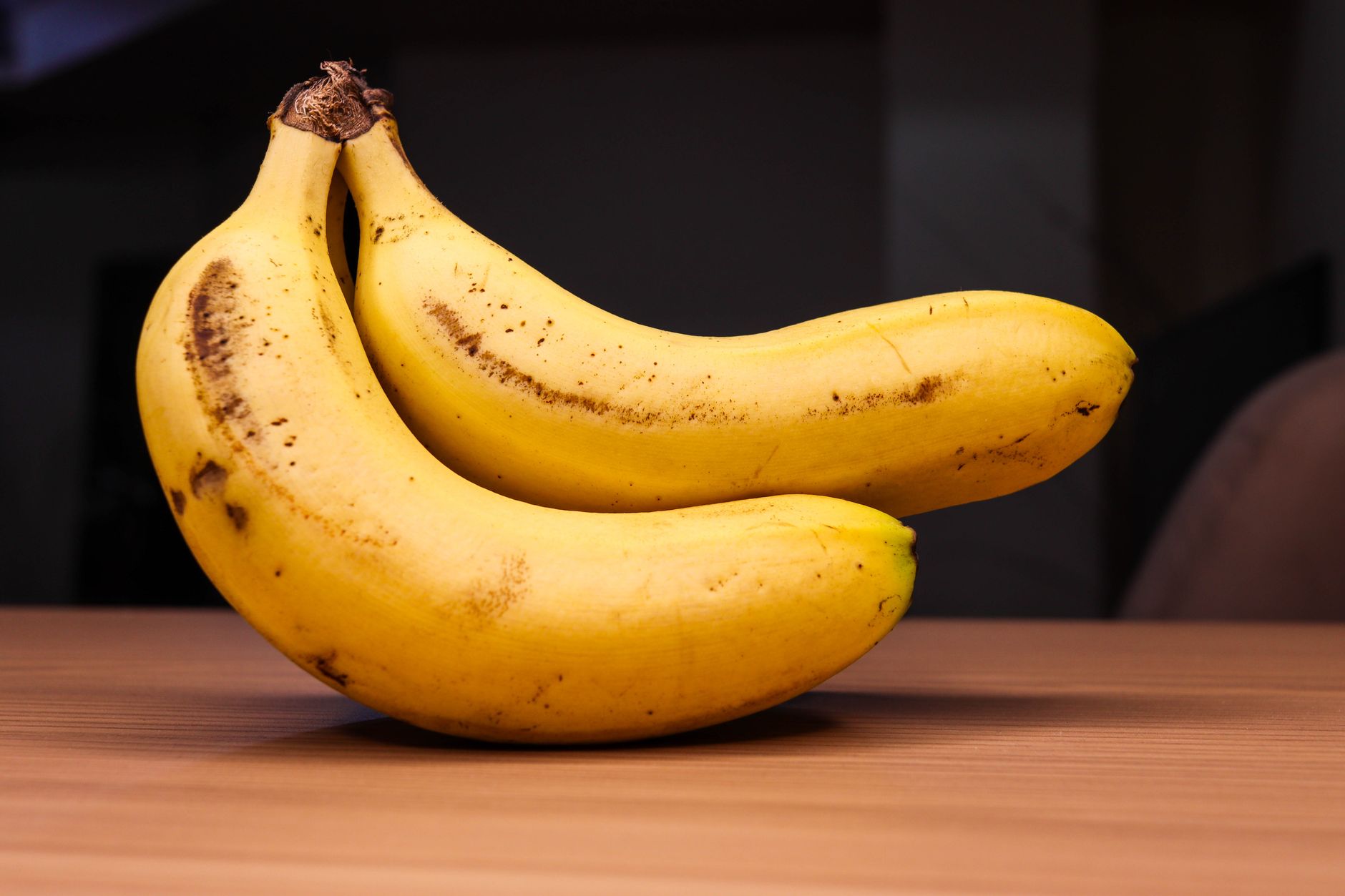
Bananas are one of the most popular fruits worldwide, known for their delightful taste, rich texture, and numerous health benefits. But amidst the discussions about food safety, it’s crucial to ask: is it really safe to eat bananas? This article delves into the safety of consuming bananas, the potential risks associated with improper handling, and practical tips for preparation and storage.
By understanding how to safely enjoy this tasty fruit, you can ensure that bananas remain a healthy part of your diet. Let’s explore the ins and outs of banana safety.
Is It Safe to Eat Bananas?
Yes, it is safe to eat bananas, provided they are properly handled and stored. This tropical fruit is not only delicious but also packed with nutrients. However, like all fruits, improper handling can lead to potential risks, such as contamination or spoilage. Understanding these risks and how to mitigate them is essential for safe consumption.
Understanding Bananas and Their Nutritional Benefits
Before discussing safety, it’s worth noting the impressive nutritional profile of bananas. They are primarily composed of carbohydrates, mainly in the form of sugars and dietary fiber. Additionally, bananas are rich in several vitamins and minerals, including:
- Vitamin C
- Vitamin B6
- Potassium
- Magnesium
- Folate
These nutrients contribute to various health benefits, including improved digestion, heart health, and even mood enhancement. However, to enjoy these benefits fully, proper handling and preparation are necessary.
Potential Risks of Eating Bananas
While bananas are generally safe to eat, there are some potential risks associated with them:
Contamination
Like many fruits, bananas can be contaminated with pathogens from soil or transportation methods. Signs of contamination often include weak spots, bruising, and mold appearing on the skin. While the inside of a banana is generally unaffected by surface contamination, it’s best to wash the skin before peeling.
Food Sensitivities
Some individuals may experience food sensitivities to bananas. This can manifest as allergic reactions, primarily due to proteins in bananas that are similar to those found in latex. Symptoms can include hives, swelling, and difficulty breathing. If you have a known latex allergy, consult a healthcare professional before consuming bananas.
Overripe Bananas
Consuming overly ripe bananas is not harmful, but they can be unappetizing. A banana that has turned completely brown or has extensive black spots might taste fermented and may not be as enjoyable. While these bananas are still safe to eat, they are often better used in baking, such as banana bread.
How to Properly Handle and Store Bananas
To minimize safety risks, it’s essential to handle and store bananas correctly. Here are some crucial tips:
Selection
When purchasing bananas, look for those that are firm with a bright yellow color. Avoid bananas with blemishes, large dark spots, or an excessively green color, as these may not ripen properly. Organic bananas may have fewer pesticide residues but should still be treated with care.
Cleaning
Wash bananas under running water before peeling them. This step removes dirt, bacteria, and potential pesticide residues, ensuring that your meal is safe.
Storage
Bananas should be stored at room temperature until they reach your desired ripeness. You can refrigerate bananas to slow down the ripening process once they are ripe. Note that the skin may turn brown in the refrigerator, but the fruit inside will remain good. Additionally, keep bananas away from other fruits to prevent them from ripening too quickly due to ethylene gas.
Creative Ways to Use Bananas
Once you’re confident in the safety of your bananas, get creative! Here are some ways to enjoy bananas beyond eating them raw:
Banana Smoothies
Blend ripe bananas with yogurt, milk, or a dairy-free alternative and your choice of fruits for a nutritious and refreshing smoothie.
Banana Bread
Overripe bananas are excellent for baking banana bread. They add natural sweetness and moisture to the recipe. For a simple banana bread recipe, combine:
- 3 ripe bananas
- 1/3 cup melted butter
- 1 cup sugar
- 1 large egg
- 1 teaspoon vanilla extract
- 1 teaspoon baking soda
- Pinch of salt
- 1 ½ cups all-purpose flour
Preheat your oven to 350°F (175°C) and mix the ingredients thoroughly in a bowl. Pour into a greased loaf pan, bake for about 60 minutes, and enjoy a delicious, homemade treat.
Frozen Banana Treats
Freeze bananas for smoothies or snacks. Simply peel, slice, and freeze them in a single layer on a baking sheet. Once they are frozen, transfer them to a freezer bag. Frozen banana chunks make a great addition to smoothies or can be blended alone for a soft serve-like treat.
Common Mistakes When Handling Bananas
Even when bananas are generally safe, improper handling can lead to safety issues. Here are some common mistakes to avoid:
Neglecting to Wash
Remember to wash bananas before peeling them. It’s a simple yet crucial step to avoid transferring bacteria from the peel to the fruit itself.
Storing with Other Fruits
As previously noted, avoid storing bananas with other fruits to prevent premature ripening. Ethylene gas emitted by ripe bananas will cause other nearby fruits to ripen faster, leading to potential spoilage.
Ignoring Signs of Spoilage
Always inspect your bananas for any signs of spoilage—brown spots and soft spots indicate that the fruit is past its prime. While some may be salvageable for baking, it’s best not to consume overly spoiled fruit raw.
Is There Any Debate About Eating Bananas?
Discussions around food safety often raise questions and concerns regarding various foods, including bananas. While the benefits of bananas are well-documented, some debates can arise in the following areas:
Pesticides
Bananas are among the fruits typically subject to pesticide use. Choosing organic bananas can help reduce exposure to chemical residues. However, washing non-organic bananas thoroughly can significantly minimize exposure as well.
Genetic Modification
Though there are genetically modified bananas in some countries aimed at improving disease resistance and nutritional content, most bananas found in grocery stores are not genetically modified. If consumers are concerned about genetically modified organisms (GMOs), opt for organic or non-GMO certified products.
Conclusion
In summary, bananas are safe to eat when properly handled and stored. Keep in mind the potential risks of contamination, food sensitivities, and over-ripeness. Employ practical handling guidelines, such as washing and proper storage, and enjoy bananas in various delicious ways.
For those looking to incorporate bananas into their cooking, consider trying your hand at banana bread or creating refreshing smoothies. For more delightful banana recipes, you can explore how to make banana bread or discover other convenient cooking tips.