
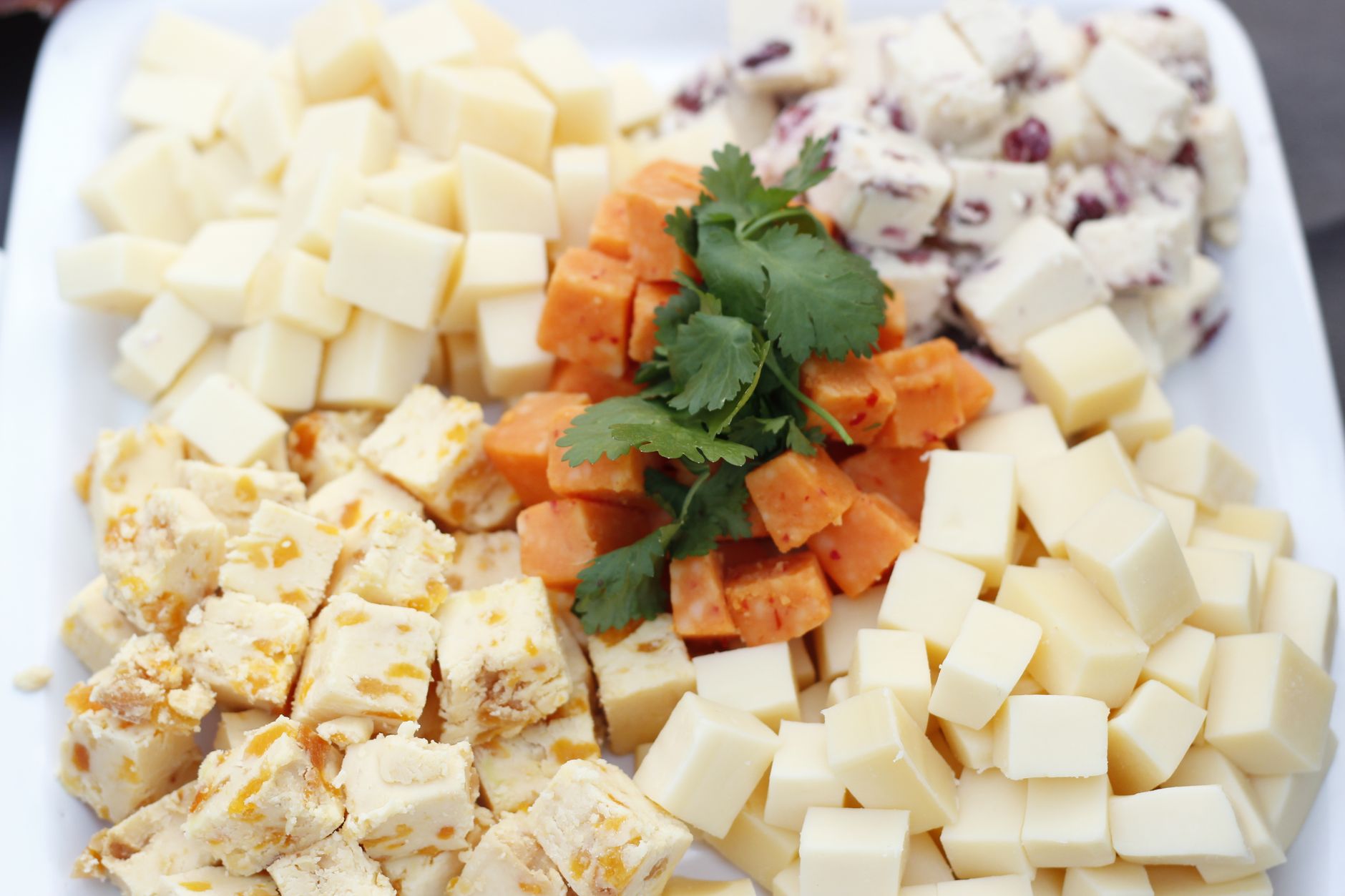
Cheese is a beloved ingredient in many cuisines, prized for its rich flavors and versatility. But, a common question often arises: Is cheese protein? Understanding the protein content in cheese can help you make informed dietary choices, especially if you’re focusing on high-protein diets or specific nutritional needs.
This article will explore the protein content in various types of cheese, how cheese can fit into different meal plans, practical uses in cooking and baking, and serving suggestions to enhance your culinary experience.
Is Cheese Protein?
Yes, cheese is indeed a source of protein. The protein content varies by type, with some cheeses providing more protein than others. Cheese is made from milk, which is inherently rich in protein, fats, vitamins, and minerals, making it a nutritious food choice when enjoyed in moderation.
Understanding Protein in Cheese
Protein is a vital macronutrient necessary for various bodily functions, including muscle repair, hormone production, and overall cellular health. Cheese generally contains both casein and whey proteins, which offer distinct benefits. Casein is a slow-digesting protein, making it excellent for muscle recovery, while whey is fast-absorbing, ideal for quick replenishment.
Types of Cheese and Their Protein Content
Different types of cheese vary significantly in their protein content. Here’s a breakdown of some common cheeses and their approximate protein content per 1-ounce serving:
- Parmesan: 8 grams
- Swiss: 8 grams
- Cheddar: 7 grams
- Feta: 6 grams
- Cottage Cheese: 11 grams
- Ricotta: 7 grams
- Mozzarella: 6 grams
- Brie: 5 grams
- Blue Cheese: 6 grams
These values can vary depending on the specific brand and preparation method, so it’s essential to check labels if you are monitoring your protein intake closely.
Food Pairings and Serving Ideas
In addition to being a good source of protein, cheese pairs well with a variety of foods, boosting flavor and nutrition in your meals. Here are some ideas:
Breakfast
- **Cheese Omelet:** Mix your favorite cheese into eggs for a protein-rich breakfast.
- **Cottage Cheese with Fruit:** Top cottage cheese with berries or sliced peaches for a refreshing start.
- **Whole Grain Toast with Avocado and Cheese:** Spread avocado on whole grain toast and sprinkle with crumbled feta or sliced cheese.
Lunch
- **Cheese Salad:** Combine mixed greens with chunks of cheese, nuts, and a light vinaigrette.
- **Cheese Wraps:** Use tortillas to wrap sliced cheese, turkey, and veggies for a quick, protein-packed lunch.
Dinner
- **Cheesy Pasta Bake:** Mix cooked pasta with marinara sauce and your choice of cheese, then bake until bubbly.
- **Stuffed Peppers:** Fill bell peppers with rice, beans, and shredded cheese, then bake until the cheese is melted.
Snacks and Appetizers
- **Cheese Platter:** Offer a variety of cheeses with crackers, olives, and fruits for a perfect snack.
- **Cheesy Dip:** Serve melted cheese dip with tortilla chips or vegetables for a crowd-pleasing appetizer.
Incorporating Cheese into Your Meal Plan
Cheese can be a delicious and nutritious addition to your meal plan, especially if you focus on balancing protein intake across your meals. Here are some practical meal-planning tips:
1. Variety is Key
Experiment with different types of cheese to enjoy a range of flavors and nutritional benefits. Rotate between soft, hard, and aged varieties for diversity.
2. Use Cheese as a Flavor Enhancer
Rather than being the main focus, consider cheese as a complement to other healthy ingredients. For example, a sprinkle of cheese can enhance the flavor of salads, grains, and vegetables.
3. Watch Portion Sizes
While cheese is nutritious, it’s also calorie-dense due to its fat content. Pay attention to portion sizes to maintain balance in your diet. A 1-ounce serving is typically a reasonable portion for most cheeses.
4. Pair Cheese with High-Protein Foods
Incorporate cheese with other protein-rich foods like nuts, eggs, legumes, or poultry. This combination can elevate your protein intake without much effort.
Sample Meal Plan
Below is a one-day meal plan that incorporates cheese while maintaining a balanced diet:
| Meal | Food |
|---|---|
| Breakfast | Cheese omelet with spinach and tomatoes |
| Snack | Cottage cheese with pineapple |
| Lunch | Mixed green salad with feta cheese |
| Snack | Cheese and whole grain crackers |
| Dinner | Pasta with marinara sauce and mozzarella |
Cooking with Cheese: Techniques and Tips
Cheese can enhance both the flavor and texture of many dishes. Here are some techniques and tips for cooking with cheese:
Melting Cheese
Not all cheeses melt the same way; here’s a guide to help you choose:
- **Good Melt:** Mozzarella, cheddar, gouda, and fontina.
- **Moderate Melt:** Swiss, havarti, and brie.
- **Poor Melt:** Feta, ricotta, and parmesan.
To achieve the best melting results, heat cheese slowly over low to medium heat. This prevents the cheese from becoming rubbery or greasy.
Grating Cheese
Grating cheese can enhance its flavor and make it easier to melt. For best results:
- Use a box grater or food processor for quick grating.
- Grate cheese when it’s cold, as it will be firmer and easier to handle.
- Freshly grated cheese often melts better than pre-grated varieties due to the absence of anti-caking agents.
Cheese Storage
Proper storage ensures cheese stays fresh and flavorful. Here are some tips:
- Wrap cheese in wax paper or parchment paper and then plastic wrap to allow it to breathe while preventing it from drying out.
- Store cheese in the cheese drawer of your refrigerator, or in a glass container to minimize exposure to air and odors.
- Keep cheese at a consistent temperature to maintain its quality.
Common Mistakes When Using Cheese
Here are some typical pitfalls to avoid when cooking with cheese:
- **Overheating:** Cooking cheese at too high a temperature can cause it to become tough and lose its flavor.
- **Skipping Flavor Pairings:** Cheese can taste bland on its own; season your dishes and balance flavors with herbs and spices.
- **Ignoring Freshness:** Always check the freshness of your cheese; expired cheese can spoil the entire dish.
Making Cheese at Home
For the culinary enthusiast, making cheese at home can be a rewarding endeavor. Here’s a brief overview of the process involved in making basic cheese, such as ricotta:
Ingredients:
- 1 gallon of whole milk
- 1/4 cup of white vinegar or lemon juice
- Salt to taste
Equipment:
- Large pot
- Thermometer
- Colander
- Cheesecloth
Method:
- Heat the milk in a large pot until it reaches about 185°F (85°C), stirring occasionally.
- Remove it from heat and add vinegar or lemon juice. Stir gently until you see curds forming.
- Line a colander with cheesecloth and carefully pour the curds into the colander to drain the whey.
- Let the mixture sit for 15-30 minutes to achieve your desired texture, then add salt to taste.
Conclusion
Understanding the protein content in cheese can help you incorporate this delicious ingredient into your meals effectively. Cheese not only enhances flavors but also adds valuable nutrients to your diet. Consider experimenting with different types and incorporating cheese into various dishes for everyday enjoyment.
Explore related recipes like cottage cheese dip and protein brownies to continue your journey into the delicious world of cheese.