
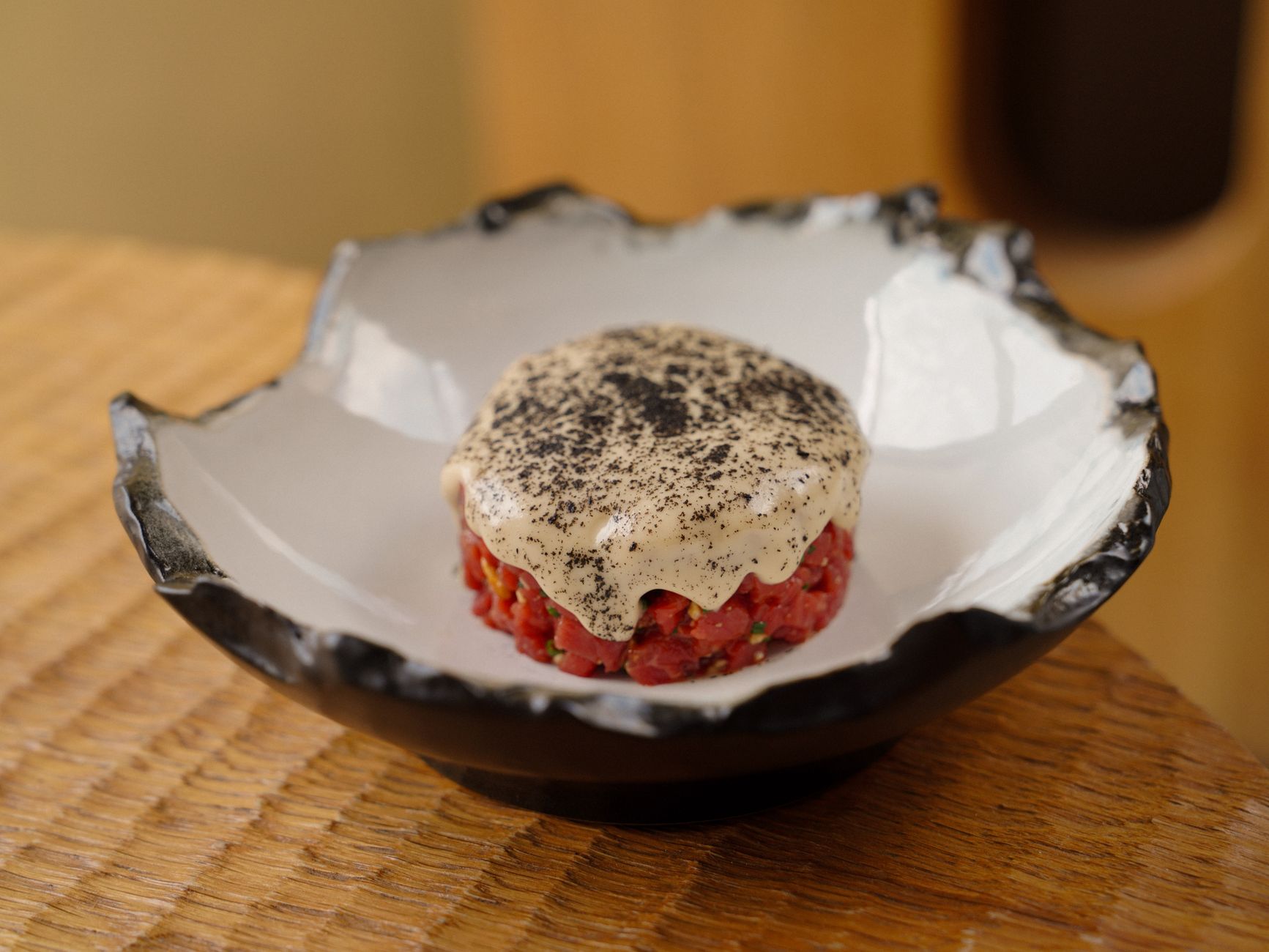
Steak tartare, a classic dish comprised of finely chopped raw beef, is a delicacy enjoyed by many worldwide. The combination of its rich flavor, unique texture, and the elegance of presentation makes it a popular choice in restaurants and at special events.
However, many people wonder about the safety of consuming raw meat. Understanding how steak tartare can be safely prepared and enjoyed is essential for both home cooks and culinary enthusiasts alike. This article explores the intricacies of steak tartare, from ingredient selection to preparation and serving, ensuring a safe dining experience.
How Is Steak Tartare Safe to Eat?
Steak tartare is safe to eat when prepared using high-quality ingredients and proper food safety practices. Key aspects include sourcing fresh, high-quality meat, employing safe handling techniques, and using acid-based components like lemon juice or vinegar that can inhibit bacterial growth.
The Origins of Steak Tartare
While the exact origins of steak tartare are somewhat murky, it is widely believed to have roots in Eastern Europe, particularly among the Tatar people. The dish became popular in France, where it evolved into a fine dining staple, served with gourmet garnishes and seasonings. Knowing its history can deepen your appreciation for this exquisite dish.
Understanding the Ingredients
Steak tartare is primarily composed of raw beef and various complementary ingredients that enhance flavor. Quality meat is crucial for safety and overall taste. Here’s what you need to know about the ingredients involved:
- Beef: Use only the freshest cuts of meat, such as tenderloin or sirloin. Look for bright red color and a firm texture.
- To season: Common seasonings include salt, pepper, Worcestershire sauce, and Dijon mustard to add depth of flavor.
- Acid: Components like fresh lemon juice or vinegar not only add brightness but may also help kill surface bacteria.
- Garnishes: Capers, shallots, and herbs like parsley are typically included for texture and flavor enhancement.
- Egg yolk: Often served on top, it adds richness. Ensure it is very fresh or consider pasteurized options.
Choosing Safe Beef
Choosing the right cut of beef is paramount for food safety. Here are several guidelines for selecting meat that is suitable for steak tartare:
- Buy from Reputable Sources: Purchase from a trusted butcher or grocery store that has high turnover of fresh meat.
- Check Cuts for Freshness: Look for cuts that are bright red (not brown or grey) and exhibit no signs of slime or off odors.
- Consider Grass-Fed or Organic: These options might offer fresher, healthier meat with a lower risk of bacterial contamination.
- Use Whole Cuts: Pre-ground meat has a higher risk of bacterial contamination, as it increases the surface area exposed to potential pathogens.
Food Safety Practices When Preparing Steak Tartare
To ensure the safety of steak tartare, adherent preparation practices are essential. Follow these guidelines:
Handling the Beef
- Keep Meat Cold: Always keep raw meat refrigerated until ready to use. Aim to keep it below 40°F (4°C).
- Clean Tools and Surfaces: Use clean knives and cutting boards, and sanitize them after each use to prevent cross-contamination.
- Use Safe Cooking Practices: If possible, prepare tartare in a separate area to avoid contact with cooked foods.
Preparing the Meat
- Trim the Meat: Remove any visible fat or sinew, then chop the meat finely with a sharp knife.
- Mix with Seasonings: In a chilled bowl, combine the chopped meat with seasonings and herbs, adjusting quantities to personal taste.
- Incorporate Acid: Add a splash of lemon juice or vinegar, which can enhance flavor and potentially reduce the risk of bacterial growth.
Assigning Roles: Who Should Not Eat Steak Tartare?
Even with careful preparation, steak tartare may not be suitable for everyone. Here are some groups to consider:
- Pregnant Women: Due to the risk of infections, it is advisable for pregnant individuals to avoid raw meat.
- The Elderly: Older adults may have weakened immune systems that increase susceptibility to foodborne illnesses.
- Individuals with Compromised Immune Systems: Those on immunosuppressive medications or with certain health conditions should avoid raw meat dishes.
Recipes and Variations
While traditional steak tartare is delicious as it is, various adaptations and variations exist worldwide. These creative twists can enhance the dish’s flavor:
Classic French Steak Tartare
- Finely chop 8 ounces of high-quality filet mignon or sirloin.
- In a bowl, mix the chopped beef with 1 tablespoon of Dijon mustard, 1 tablespoon of Worcestershire sauce, salt, and pepper to taste.
- Add 1 tablespoon of capers and finely diced shallots.
- Garnish with a fresh egg yolk on top, and serve accompanied by toasted bread or potato chips.
Asian-Inspired Steak Tartare
- Start with 8 ounces of fresh beef, chopped finely.
- Mix in 1 tablespoon of soy sauce, 1 teaspoon of sesame oil, minced garlic, and ginger.
- Add diced scallions and finely chopped cilantro for freshness.
- Serve garnished with a quail egg yolk on top and a side of crispy rice crackers.
Common Mistakes and Troubleshooting Tips
Even experienced cooks can encounter issues when preparing steak tartare. Here are some common mistakes to avoid:
- Using Poor Quality Meat: Always prioritize fresh, high-quality beef to ensure safety and flavor.
- Not Adding Enough Acid: Insufficient acidity can contribute to safety risks, so ensure to use enough lemon juice or vinegar.
- Neglecting Cleanliness: Ensuring the cleanliness of surfaces and tools is vital in reducing foodborne pathogens.
Serving Suggestions
Steak tartare is often served as a starter or appetizer. Here are some ways to present the dish elegantly:
- Plate Presentation: Use a mold for a clean shape, then carefully remove it, ensuring the tartare holds together.
- Accompaniments: Offer crispy bread or toast to balance the soft texture of the meat, along with side salads for freshness.
- Garnishing: Consider adding microgreens, edible flowers, or additional freshly ground spices for enhanced visual appeal.
Make-Ahead Tips
Steak tartare is best served fresh, but there are some tips for prepping in advance:
- Prep Ingredients Separately: Chop the meat and mix the ingredients ahead of time and combine just before serving to ensure freshness.
- Proper Packaging: If prepped early, store components tightly wrapped in the refrigerator to minimize exposure to air.
Storage and Reheating Guidance
Storage and reheating are generally not applicable for steak tartare. Raw meat dishes should not be stored for long periods. Here are some tips:
- Immediate Consumption: It is highly recommended to consume steak tartare immediately after preparation to ensure the best quality and safety.
- Avoid Reheating: Reheating raw meat is not suitable and can lead to quality degradation.
Final Thoughts on Safety and Enjoyment
Understanding the safety aspects of steak tartare allows you to appreciate this culinary delight fully. By sourcing quality ingredients, practicing proper food safety, and being aware of who should avoid raw meat, you can relish steak tartare without concern.
For those venturing into the world of gourmet dining at home, consider exploring variations of beef cuts in steak dishes or perfecting seasoning blends that complement your tartare, such as a delicious steak seasoning recipe. Ensuring food safety while indulging in such dishes can elevate your culinary skills to new heights.
If you’re interested in discussing additional meat cuts, learn more about how to choose the right flat iron steak or discover homemade steak seasoning. Let your culinary adventure continue!