
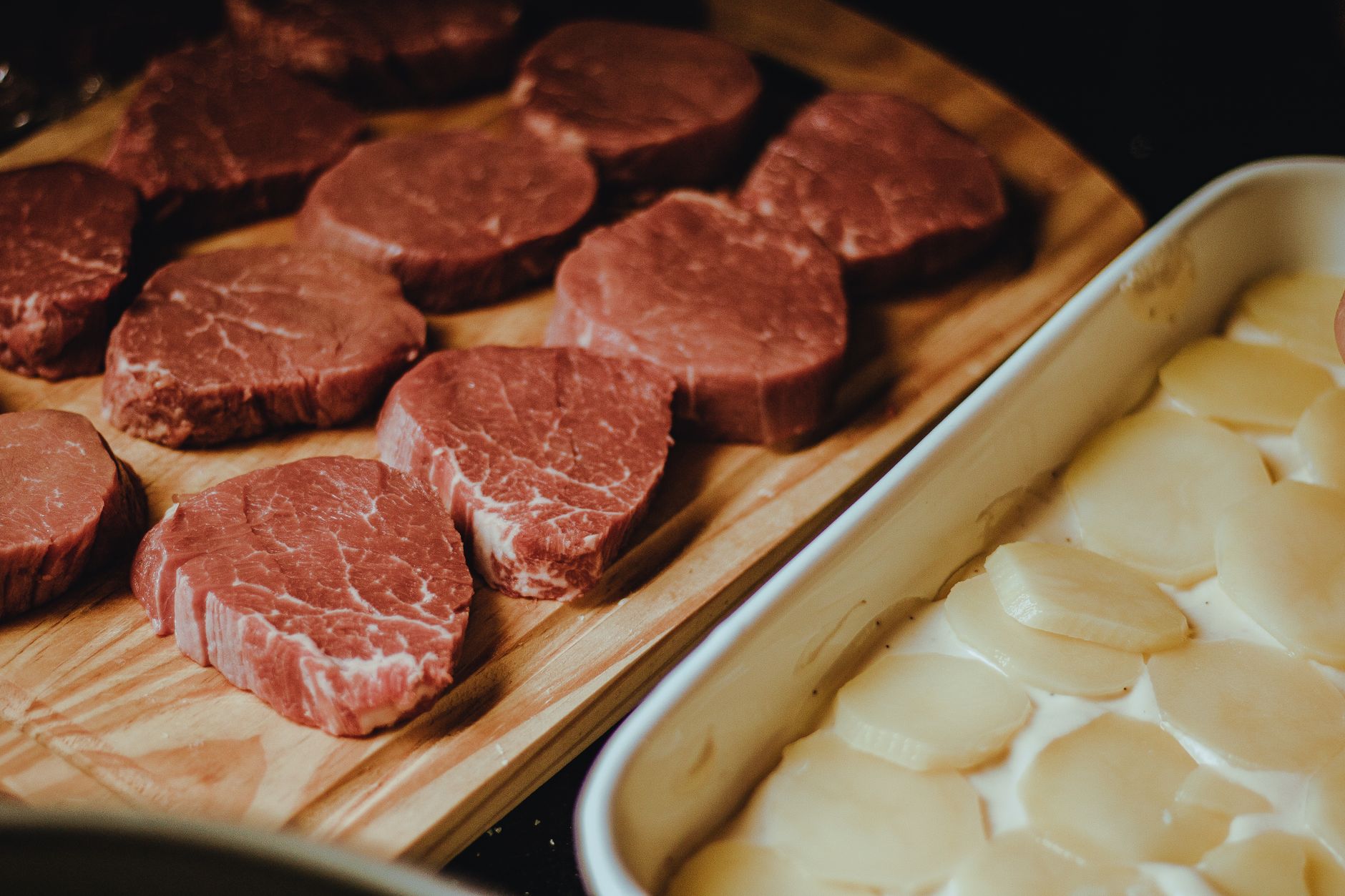
Raw steak is often a debated topic in the culinary world, with dishes like steak tartare showcasing the delicacy of raw meat. However, questions about its safety persist. Understanding food safety, proper handling, and serving methods can help you make informed decisions about consuming raw steak.
This article will tackle the question, “Is raw steak safe to eat?” while providing essential food safety guidelines, preparation and serving tips, and insights into common practices that ensure a delightful experience with raw steak dishes.
Is Raw Steak Safe to Eat?
Raw steak can be safe to eat if it is handled correctly and sourced from reputable suppliers. However, there are inherent risks associated with consuming raw meat, including foodborne illnesses caused by bacteria such as E. coli and Salmonella. These risks can be mitigated through proper selection, storage, and preparation.
Understanding the Risks
Raw steak, like any other raw meat, carries a risk of contamination. Various harmful pathogens can reside on the surface of the meat. While cooking effectively kills these pathogens, consuming raw steak may expose you to these microorganisms.
Common Foodborne Illnesses
Two notable bacteria associated with raw or undercooked beef are:
- E. coli: This bacterium can cause severe abdominal cramps, diarrhea, and vomiting. Certain strains can lead to life-threatening complications.
- Salmonella: Often linked to poultry, Salmonella can also be found in beef and can lead to symptoms like fever, diarrhea, and abdominal cramps.
Informed Choices: Sourcing Safe Steak
Choosing high-quality meat is crucial when consuming raw steak. Here are guidelines for selecting safe steak:
- Source from Reputable Suppliers: Purchase meat from a trusted butcher or grocery store that follows safety standards.
- Check Date Labels: Always choose fresh meat with clear labeling and ideally buy from suppliers known for high food safety standards.
- Look for Inspection Marks: In many countries, meat sold in stores should have a government inspection mark ensuring it meets safety standards.
Handling Raw Steak Safely
Proper handling techniques help reduce the risk of contamination. Follow these safe practices:
Thawing and Storage
Raw steak should be thawed safely if previously frozen. Here are steps for safe thawing:
- In the Refrigerator: The safest method is to thaw steak in the refrigerator, which helps maintain a temperature below 40°F (4°C).
- Cold Water Method: If you need to thaw quickly, place the steak in a watertight plastic bag and submerge it in cold water, changing the water every 30 minutes.
- No Microwave Thawing: Avoid using a microwave to thaw steak, as it can cause uneven heating, leading to bacterial growth.
Preparation Guidelines
When preparing raw steak, follow these guidelines to ensure safety:
- Wash Hands: Always wash your hands thoroughly with soap and water before handling food.
- Use Clean Utensils: Ensure all cutting boards, knives, and utensils are clean and sanitized before use.
- Prepare on Clean Surfaces: Work on a sanitized surface to prevent cross-contamination.
Popular Raw Steak Dishes and How to Serve Them
Raw steak dishes have unique flavors and textures. Here’s a look at some popular preparations along with tips for serving:
Steak Tartare
This classic dish features finely chopped raw steak mixed with seasonings, capers, and onions. Here’s how to prepare and serve it:
- Ingredients: High-quality beef (such as tenderloin or sirloin), mustard, Worcestershire sauce, egg yolk, diced shallots, chopped parsley, and pepper.
- Preparation: Finely chop the steak and mix in the other ingredients. Serve it immediately to maintain freshness.
- Serving Tip: Tartare is often served with toasted bread or crackers and garnished with fresh herbs.
Carpaccio
Carpaccio consists of thinly sliced raw beef, usually served as an appetizer. Follow these steps for preparation:
- Ingredients: Tender cut of beef (such as eye of round), olive oil, lemon juice, capers, arugula, and Parmesan cheese.
- Preparation: Freeze the beef for about an hour to make slicing easier. Use a sharp knife to slice it very thinly; arrange it on a plate.
- Serving Tip: Drizzle with olive oil, sprinkle with lemon juice, and top with capers, arugula, and shavings of Parmesan.
Prepping Raw Steak: Essential Equipment
To safely prepare and serve raw steak dishes, you’ll need some essential kitchen tools.
- Cutting Board: Use a dedicated cutting board for raw meats to reduce cross-contamination.
- Sharp Knife: A sharp chef’s knife or slicing knife will help you cleanly slice the steak for dishes like carpaccio.
- Meat Thermometer: Although not typically required for raw preparations, a thermometer can help ensure cooked components are safe.
- Mixing Bowl: Use a clean bowl for mixing ingredients like in steak tartare.
Common Mistakes When Preparing Raw Steak
A few common pitfalls can arise when preparing raw steak dishes. Avoid these mistakes to ensure safety and quality:
Caution Against Substituting Ingredients
Some cooks might think to replace fresh ingredients with preserved alternatives. Here’s why that’s not advisable:
- Avoid Packaged Condiments: Stick with fresh herbs, onions, and seasonings to avoid additional preservatives that may alter taste and safety.
- Quality of Meat Matters: Substitute choices like ground meat or marked-down cuts can pose greater risks due to handling variations.
Skipping Sanitation Steps
In haste, some might overlook sanitation. Proper sanitation is vital in the kitchen:
- Cleaning Surfaces: Don’t skip cleaning surfaces and utensils before and after preparation.
- Cross-Contamination: Ensure no raw meat juices come in contact with ready-to-eat food.
Storage and Make-Ahead Guidance
If planning to prepare raw steak dishes in advance, pay attention to storage considerations:
Storing Raw Steak
Follow these storage recommendations:
- Refrigeration: Keep raw steak refrigerated and consume it within two days of purchase.
- Freezing: For longer storage, wrap steak properly in butcher paper or freezer-safe bags before freezing.
Make-Ahead Tips
If preparing dishes like steak tartare or carpaccio in advance:
- Prep Components Separately: Consider preparing components like sauces or toppings ahead of time, rather than assembling them all at once.
- Final Assembly: Assemble dishes as close to serving time as possible to maintain freshness and texture.
When to Avoid Raw Steak
Even with the proper practices, there are certain groups of people who should avoid raw steak completely. These groups include:
- Pregnant Women: Raw meat can pose a serious risk during pregnancy and should be avoided to prevent complications.
- Individuals with Compromised Immune Systems: Those with weakened immune defenses should avoid raw foods, including meat.
- Children and Elderly Individuals: These age groups are more susceptible to foodborne illnesses.
Final Thoughts on Raw Steak Safety
Raw steak can be enjoyed safely as long as attention is paid to sourcing, handling, and preparation techniques. Always prioritize food safety to reduce risks of foodborne illness while savoring the unique flavors and textures that raw steak can offer.
For those adventurous in the kitchen, it can be a delightful experience when done correctly. If you’re looking to explore more about different cuts of meat or even recipes like hamburger steak, be sure to check out our guide on flat iron steak and try your hand at a comforting hamburger steak recipe as well.