
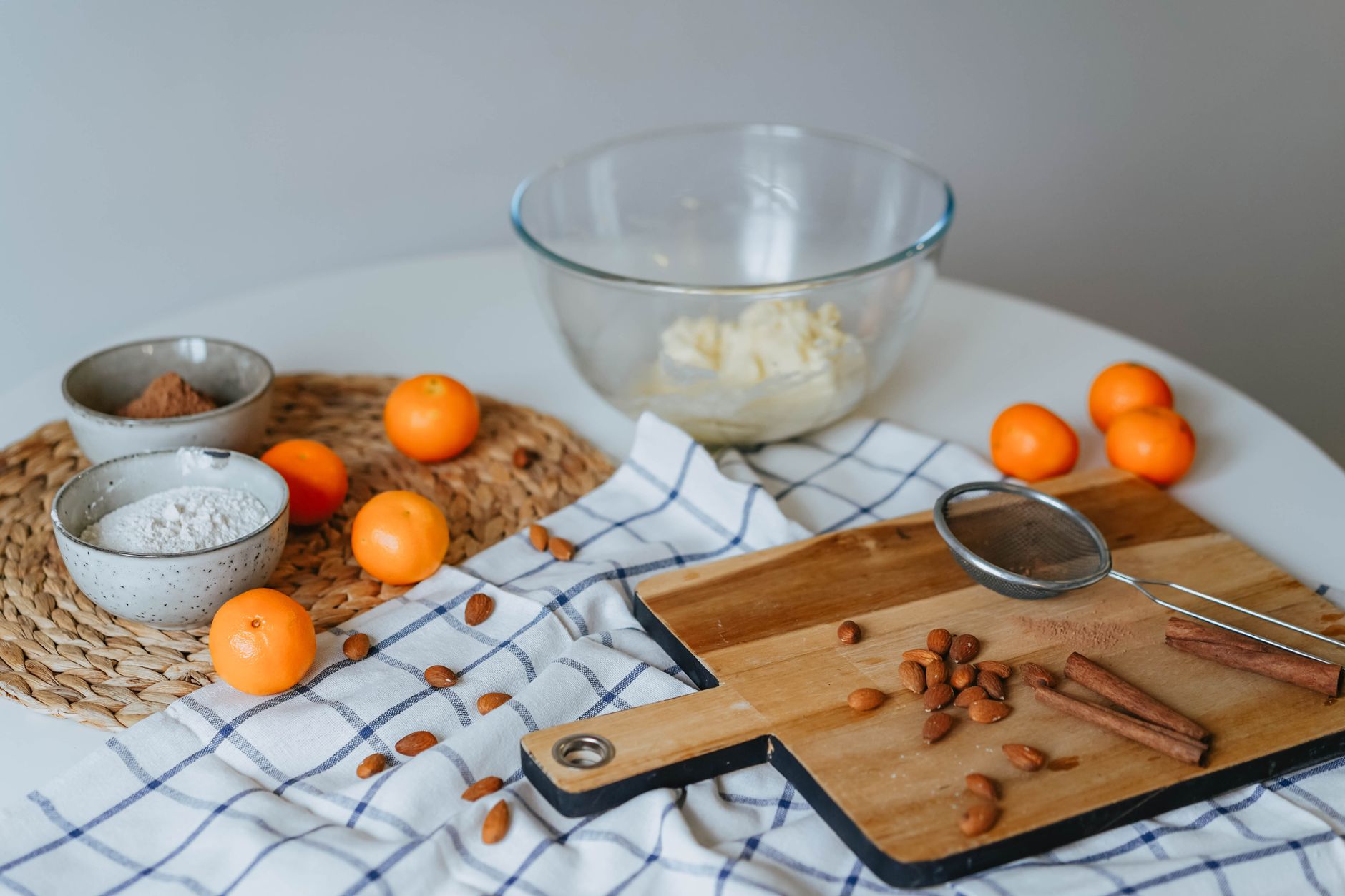
Many home cooks and bakers are exploring alternatives to all-purpose flour due to dietary restrictions, health trends, or simply out of curiosity. One popular substitute is almond flour, made from finely ground almonds. But can you truly use almond flour instead of all-purpose flour in recipes?
The answer is yes, but with important considerations. Almond flour behaves differently than all-purpose flour, impacting the texture, flavor, and moisture of your baked goods. This guide will explore how to incorporate almond flour into your cooking and baking, along with essential tips and techniques.
Can You Use Almond Flour Instead of All Purpose Flour?
Yes, you can use almond flour instead of all-purpose flour, but they are not directly interchangeable due to their different properties. Almond flour is denser and contains more fat, leading to moisture retention and varying textures in your dishes.
Understanding Almond Flour
Almond flour is made from raw or blanched almonds that have been ground into a fine powder. It has a slightly sweet, nutty flavor and offers several benefits:
- Gluten-free: A great option for those with gluten sensitivities.
- High in healthy fats: Contains monounsaturated fats that benefit heart health.
- Rich in nutrients: Packed with vitamins and minerals like vitamin E and magnesium.
How Almond Flour Differs from All-Purpose Flour
Understanding the differences between almond flour and all-purpose flour is crucial for successful substitutions. Here are the primary distinctions:
- Protein Content: All-purpose flour typically contains about 10-12% protein, while almond flour has minimal amounts, which affects gluten formation.
- Fat Content: Almond flour is higher in fat, influencing moisture retention and adding richness to baked goods.
- Texture: Almond flour produces denser and crumbly textures, making certain recipes require adjustments.
- Absorption: Almond flour absorbs more liquid than all-purpose flour, requiring recipe adjustments to achieve the right consistency.
When to Use Almond Flour
Almond flour works well in a variety of recipes, especially those that benefit from its nutty flavor and moist texture. Here are some suitable uses:
- Baked Goods: Excellent for cookies, quick breads, pancakes, and muffins.
- Thickening Agent: Can be used to thicken sauces and soups instead of flour.
- Coating: Ideal for breading meats and fish for frying or baking.
Cooking and Baking with Almond Flour
Using almond flour zamiast all-purpose flour requires a few adjustments. Here’s a practical guide on how to do it effectively:
1. Ratio of Substitution
When substituting almond flour for all-purpose flour, a general rule is to use about 1 cup of almond flour for every 1/4 to 1/3 cup of all-purpose flour. This helps maintain the right consistency in your recipe.
2. Adjusting Liquid Ingredients
Since almond flour absorbs more moisture, it’s often necessary to reduce the amount of liquid by about 20-30%. Start slowly, adding just enough to achieve your desired consistency.
3. Managing Binding Agents
Due to the lower protein content in almond flour, baked goods may crumble more easily. To counter this, incorporate binding agents like eggs, flaxseed meal, or chia seeds. Using one extra egg or adding a tablespoon of ground chia/flaxseed for every 1 cup of almond flour can enhance cohesion.
4. Baking Time and Temperature
Baked goods made with almond flour may require a slight increase in baking duration. Keep an eye on your treats, as they might brown faster due to the higher fat content. Lowering the oven temperature by 25 degrees Fahrenheit can help achieve even cooking.
Practical Applications of Almond Flour
Now that you understand how to substitute almond flour in general terms, let’s delve into specific applications and recipes.
1. Almond Flour Pancakes
Pancakes made with almond flour are fluffy and have a wonderful nutty flavor. Here’s how to make them:
- Servings: 4
- Preparation Time: 10 minutes
- Cooking Time: 10 minutes
- Total Time: 20 minutes
Ingredients
- 1 cup almond flour
- 2 eggs
- 1/4 cup milk (dairy or non-dairy)
- 1 teaspoon baking powder
- 1 tablespoon sweetener (honey, maple syrup, or sugar)
- 1/2 teaspoon vanilla extract (optional)
Method
- In a bowl, whisk together almond flour, baking powder, and sweetener.
- In another bowl, beat the eggs and add milk and vanilla extract.
- Combine the wet and dry ingredients until just mixed; avoid over-mixing.
- Heat a non-stick skillet over medium heat. Pour about 1/4 cup of batter per pancake.
- Cook for 3-4 minutes on one side until bubbles form, then flip and cook for another 2-3 minutes until golden brown.
2. Almond Flour Cookies
If you love cookies, almond flour makes a fantastic base. Here’s a basic recipe:
- Servings: 12 cookies
- Preparation Time: 15 minutes
- Cooking Time: 10 minutes
- Total Time: 25 minutes
Ingredients
- 2 cups almond flour
- 1/4 cup coconut oil or butter, melted
- 1/4 cup sweetener of choice (maple syrup, honey, or sugar)
- 1 egg
- 1 teaspoon vanilla extract
- 1/2 teaspoon baking soda
- 1/4 teaspoon salt
Method
- Preheat your oven to 350 degrees Fahrenheit (175 degrees Celsius).
- In a mixing bowl, combine almond flour, baking soda, and salt.
- In another bowl, whisk together melted coconut oil, sweetener, egg, and vanilla extract.
- Mix the wet ingredients into the dry until combined.
- Drop tablespoon-sized scoops of dough onto a baking sheet lined with parchment paper.
- Bake for 10-12 minutes, or until the edges are golden brown. Let cool before serving.
Common Mistakes and Troubleshooting
Using almond flour can be a little tricky when you first start. Here are some common pitfalls and solutions:
- Too Dense: If your baked goods are too dense, you may need to use less almond flour or add an additional binding agent.
- Crumbly Texture: This is often due to insufficient moisture or not enough binding agents. Add additional eggs or liquid gradually to obtain the desired texture.
- Over-Browning: Reduce the oven temperature slightly and check on your baked goods frequently during the last few minutes to prevent over-browning.
Storage and Freshness
Almond flour has a shorter shelf life than all-purpose flour due to its higher fat content. Store it in an airtight container, and keep it in a cool, dark place. For longer shelf life, consider refrigerating or freezing almond flour. Here are some tips for storage:
- Use airtight containers to minimize exposure to air and moisture.
- Label the container with the date of purchase to track freshness.
- Check for off odors or changes in texture before use, especially if stored for an extended period.
Conclusion
Using almond flour instead of all-purpose flour can yield delicious, gluten-free results throughout your baking and cooking. By understanding the differences, making appropriate adjustments to recipes, and knowing how to troubleshoot issues, you can successfully incorporate almond flour into a variety of dishes.
For the next step, consider experimenting with almond flour by trying the almond flour pancake or cookie recipes detailed earlier. You’ll likely discover a new favorite in your kitchen.
Explore related recipes, cooking tips, and food guides like our almond flour bread recipe and learn about the difference between bleached and unbleached flour for even more insights.