
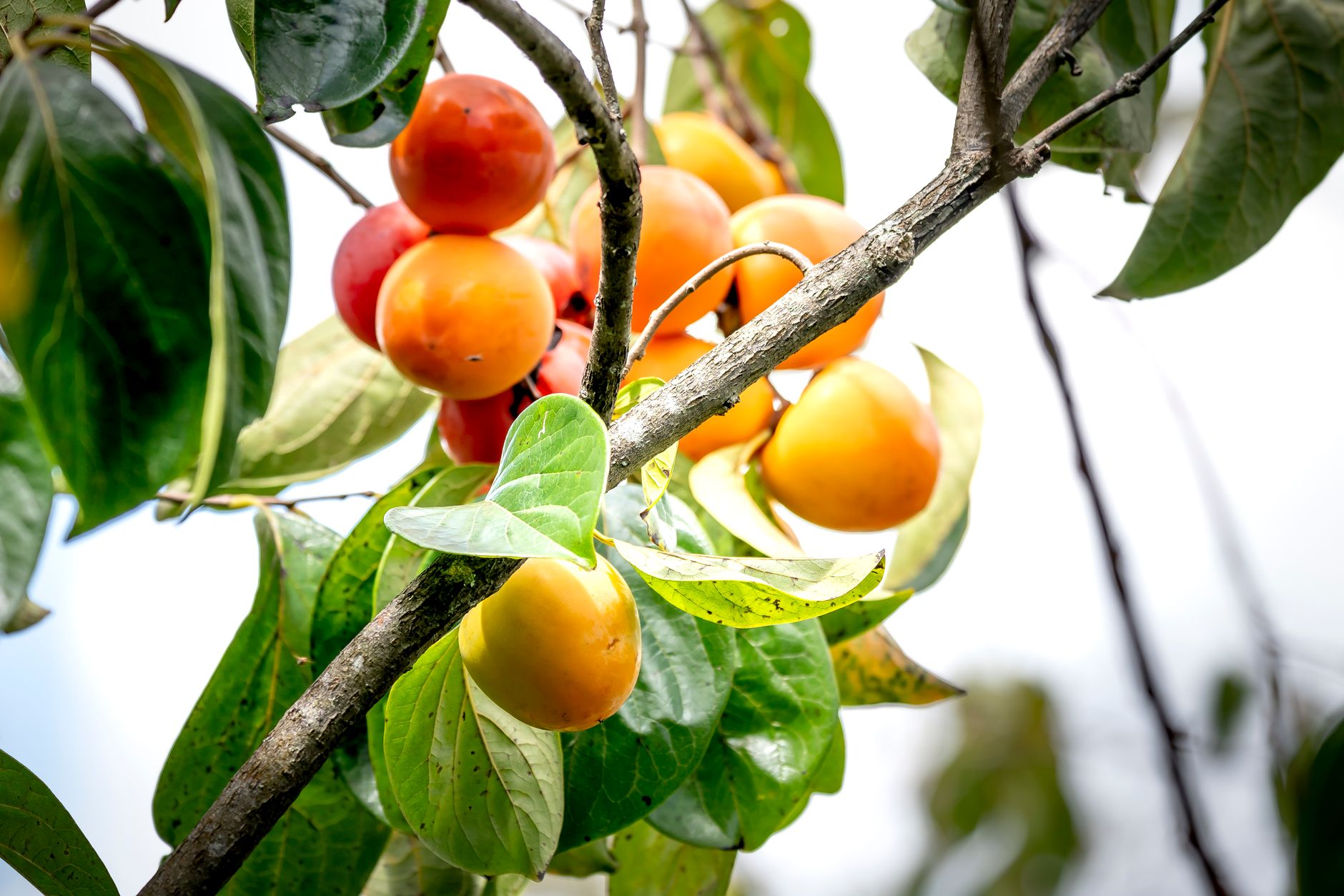
Persimmons are a unique and flavorful fruit that can elevate a variety of dishes. Understanding where they are grown can also enhance your shopping choices and cooking techniques. This article explores the regions where persimmons thrive, their culinary uses, and practical tips for selecting and preparing this delightful fruit.
With their sweet, honey-like flavor and smooth texture, persimmons can be a versatile addition to salads, desserts, and savory dishes. Whether you are finding ways to enjoy them right away or planning to integrate them into your meal prep, knowing more about persimmons will inspire your culinary creativity.
Where Are Persimmons Grown?
Persimmons are primarily grown in countries with temperate to subtropical climates. The major producers include South Korea, Japan, China, Spain, and the United States. In particular, California is known for its high-quality persimmons, especially the Fuyu variety.
In South Korea and Japan, persimmons are not only cultivated for eating fresh but also for drying, which enhances their flavor. Dried persimmons, known as “gotgam” in Korea, are a popular snack and ingredient in various dishes. Chinese varieties of persimmons are often used in traditional medicine as well as culinary applications.
Types of Persimmons
Understanding the various types of persimmons will help you choose the right one for your culinary needs. The two most common types are:
- Fuyu: This is the most common persimmon in the United States. Fuyu persimmons are squat and firm, resembling a tomato. They can be eaten while still crisp, offering a sweet taste and crunchy texture.
- Hachiya: This variety is larger and more elongated. Hachiya persimmons must be fully ripe before eating, as they are very astringent when unripe. When ripe, they become soft and juicy, with a rich, sweet flavor that is excellent in desserts.
Buying and Storing Persimmons
When selecting persimmons, look for ones that are plump, free of blemishes, and have vibrant skin. For Fuyu persimmons, choose firm ones if you prefer crunchy texture, or opt for slightly soft ones for a sweeter flavor. For Hachiya persimmons, pick those that are soft to the touch, indicating ripeness.
To store persimmons, keep them at room temperature to ripen further if they are not fully ripe. Once they reach the desired ripeness, transfer them to the refrigerator, where they can be kept for up to a week. For extended storage, persimmons can be dried or pureed for later use in various recipes.
Culinary Uses of Persimmons
Persimmons can be enjoyed in numerous ways. Here are some popular culinary applications:
Fresh Uses
Fresh persimmons can be diced and added to salads, providing sweetness and color. They pair nicely with greens, nuts, and cheese, making for a balanced flavor profile. In addition, they can be sliced thin and served on a charcuterie board.
Cooked Dishes
Fuyu persimmons hold their shape well under heat, making them excellent for roasting or grilling. When caramelized, they develop a deep sweetness that complements savory elements such as pork or chicken. Hachiya persimmons can be used in baked goods like cakes and muffins for added moisture and flavor.
Dried Persimmons
Dried persimmons are a popular snack and can be used in trail mixes or as toppings for oatmeal. They can also be blended into smoothies for a natural sweetener.
Preserves and Sauces
Persimmons can be turned into preserves or sauces, enhancing their flavor. A persimmon chutney can be a delightful accompaniment to meats or cheeses. To make a simple persimmon sauce, puree ripe Hachiya persimmons with spices and a touch of lemon juice.
Cooking Techniques with Persimmons
When cooking with persimmons, it’s essential to consider their texture and flavor profile. Here are some techniques to maximize their potential:
Roasting
Roasting persimmons caramelizes their sugars, enhancing their flavor. To roast, cut Fuyu persimmons into wedges, drizzle with olive oil, and season with salt. Roast at 375°F (190°C) for about 20 minutes, until tender and caramelized.
Grilling
Grilling persimmons adds a smoky flavor that elevates their natural sweetness. Brush slices of Fuyu persimmons with olive oil and grill for 3-4 minutes on each side until grill marks appear.
Baking
When using Hachiya persimmons in baking, ensure they are fully ripe and soft. They can be treated like bananas in many recipes. Mash ripe persimmons and use them in bread, muffins, or pancakes for added moisture and natural sweetness.
Practical Substitutions
If you cannot find persimmons, there are a few alternatives you can consider:
- Apricots: Fresh or dried apricots can mimic the sweet, tangy flavor of persimmons in baked goods.
- Mango: Ripe mangoes can work in salads or smoothies where persimmons are featured.
- Pears: Their similar texture and sweetness make pears a great substitute in salads or desserts where persimmons are called for.
However, keep in mind that these substitutes will provide different flavors and textures than persimmons, affecting the final dish’s outcome.
Common Mistakes to Avoid with Persimmons
When cooking with persimmons, avoid the following pitfalls:
- Eating unripe Hachiya persimmons: They are extremely astringent and unpleasant when not fully ripened. Always wait until they are soft.
- Overcooking: Persimmons can quickly become mushy. Monitor cooking times, especially when roasting or grilling.
- Ignoring flavor pairings: Persimmons pair beautifully with spices like cinnamon and nutmeg; don’t overlook these flavor enhancements.
Serving Suggestions
Incorporate persimmons into a variety of dishes to showcase their flavor. Here are a few serving ideas:
- Add diced Fuyu persimmons to a winter salad with arugula, walnuts, and goat cheese for a delightful contrast.
- Use pureed Hachiya persimmons as a filling in pastries or tarts for a gourmet dessert.
- Serve dried persimmons with yogurt and granola for a nutritious breakfast or snack.
Make-Ahead Options
Persimmons can be prepared ahead of time for convenience:
- Make persimmon preserves or chutneys and store them in jars for up to a month.
- Pureed persimmons can be frozen in ice cube trays and added to smoothies or sauces later.
- Prep salad ingredients with persimmons a day ahead and store them separately to keep them fresh until serving.
Storage and Reheating Guidelines
To maintain the quality of your persimmons:
- Store ripe persimmons in the refrigerator for up to one week. They can also be frozen, though this may change their texture.
- Reheat roasted or grilled persimmons gently in the oven or on the stovetop to avoid becoming overly soft.
Exploring Regional Variations
Each region that grows persimmons may have their own unique varieties and traditional uses:
- Japanese Persimmons: Often served as a dessert or used in sake production.
- Korean Persimmons: Primarily dried for use in traditional dishes and snacks.
- American Cultivation: Focused on the Fuyu and Hachiya varieties, often used in fusion cuisine.
Conclusion
Understanding where persimmons are cultivated and how to use them in your kitchen can enhance your meals and overall appreciation of this fruit. Their sweet flavor, nutritional benefits, and culinary versatility make persimmons a worthy addition to your grocery list.
Explore related recipes, cooking tips, or food guides to make the most out of your culinary adventures.