
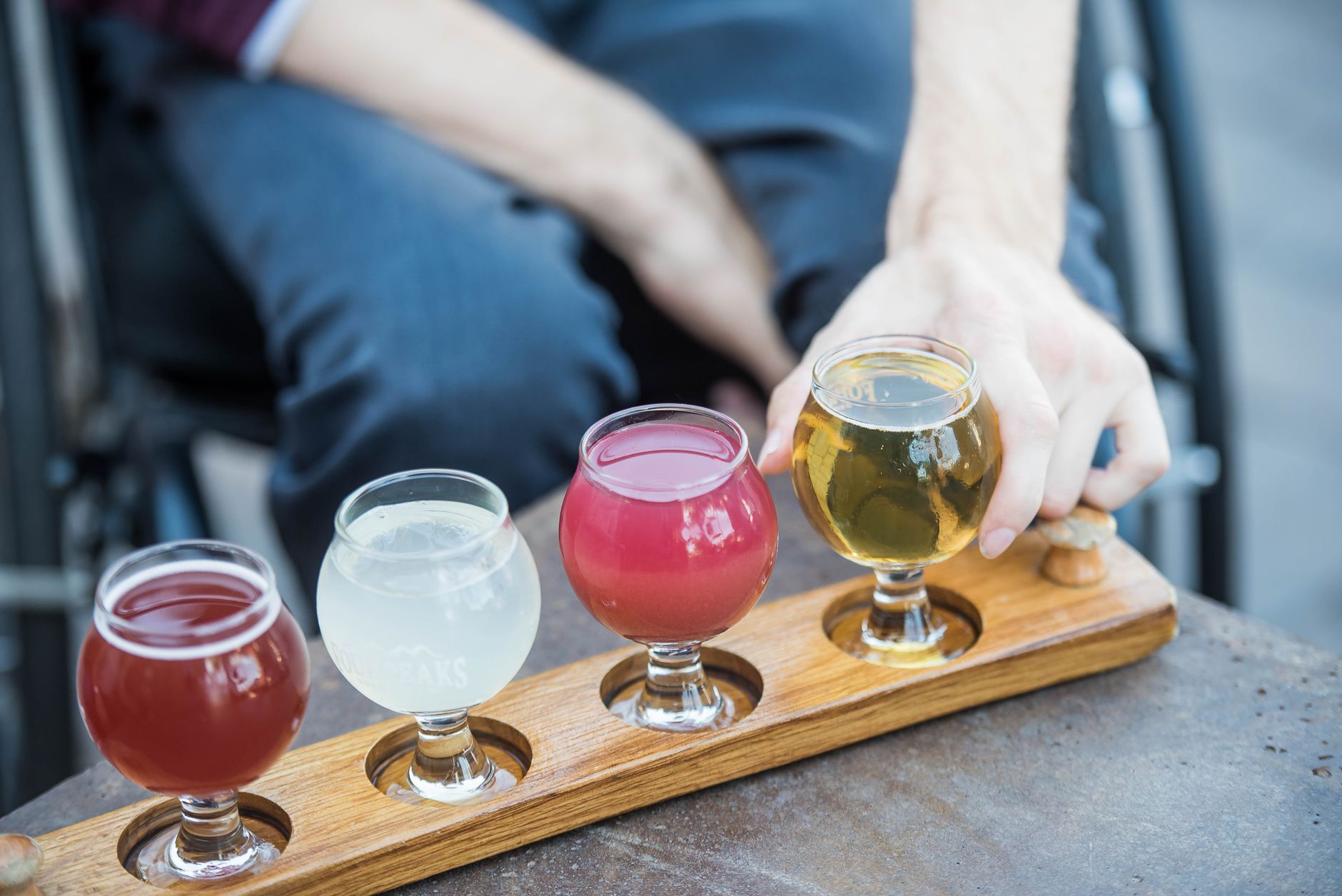
Sour beer is a fascinating category of craft beer known for its distinctive tart and tangy flavors. Unlike traditional beers, which primarily rely on hops and malt for their flavor profile, sour beers undergo unique fermentation processes, often involving wild yeast strains and bacteria. This results in a refreshing and complex beverage that appeals to adventurous drinkers seeking something beyond the ordinary.
This article will explore what sour beer is, the various styles and flavors associated with it, and some ideal serving suggestions. Whether you’re an experienced beer connoisseur or a casual drinker, understanding sour beer will enhance your appreciation of the craft brewing world.
What Is a Sour Beer?
Sour beer is characterized by its acidic, tart flavor, which results from specific fermentation methods involving wild yeast and bacteria. Commonly used strains include lactobacillus and brettanomyces, which introduce sourness and unique flavors. The aim is to create a balance between bitterness and acidity, resulting in a refreshing drinking experience.
Types of Sour Beers
Sour beer encompasses various styles, each with distinct characteristics. Some of the most notable types include:
- Lambic: A traditional Belgian sour beer made from a spontaneous fermentation process, lambics often have fruit added, resulting in varieties like kriek (cherry) and framboise (raspberry).
- Berliner Weisse: A light, tart wheat beer from Germany, which often has syrup added to sweeten it. It has a refreshing, sessionable quality.
- Gose: Originating from Germany, goses are characterized by their saltiness (from added salt) and coriander. They have a slightly sour and herbal flavor.
- Flanders Red Ale: A dark ale produced in Belgium, known for its complex flavors from prolonged aging in wooden barrels, resulting in fruity, sour notes.
- American Wild Ale: This category includes various sour beers made in the U.S. that may combine different fermentation techniques, producing diverse flavors and aromas.
Flavor Profile of Sour Beers
The flavor profile of sour beers can be surprisingly complex. Depending on their style and ingredients, sour beers may exhibit:
- Tartness: A key characteristic, with varying degrees depending on the fermentation process.
- Fruity Notes: Many sour beers have fruity undertones, especially those with added fruit or aged in wine barrels. Common flavors include cherry, raspberry, and citrus.
- Spiciness: Some sour beers may incorporate spices or herbs, providing additional layers of flavor.
- Earthy Characteristics: Wild yeast strains can introduce earthy or funky notes that enhance complexity.
Balancing Acidity and Bitterness
A critical aspect of sour beer is its balance; while tartness can be prominent, it should not overwhelm other flavors. A well-crafted sour beer will have moderate bitterness from hops, which creates a pleasant contrast to the acidity.
Texture of Sour Beers
The texture of sour beers can vary widely. Some are light and effervescent, making them crisp and refreshing. Others may have a fuller body due to extended fermentation and aging in barrels, resulting in a smoother mouthfeel. The carbonation level also plays a significant role in the overall perception of the beer’s texture.
Why Drink Sour Beer?
Sour beers appeal to those who appreciate adventurous flavors. They can be a refreshing alternative to heavier ales and lagers, making them suitable for warm weather or as a palate cleanser between rich foods. Additionally, the artisanal nature of sour beer brewing aligns with the growing interest in craft beers, providing plenty of options for exploration.
How to Serve Sour Beer
Serving sour beer properly is essential to appreciate its unique characteristics. Here are some simple guidelines:
- Glassware: Opt for tulip glasses or snifters. These shapes concentrate aromas and enhances the drinking experience. Some may also prefer standard pint glasses depending on the style.
- Temperature: Serve sour beer slightly warmer than typical lagers – around 45°F to 55°F (7°C to 13°C) – to allow flavors to develop fully.
- Food Pairings: Sour beers pair well with a variety of foods, including cheeses, seafood, and salads. They also complement spicy dishes, enhancing their flavors without overpowering them.
Food Pairing Ideas with Sour Beer
Pairing sour beer with the right foods can elevate your dining experience. Here are some notable combinations:
- Cheese: Sour beers go well with tangy cheeses like goat cheese and blue cheese. Their acidity cuts through the richness, creating a delightful balance.
- Seafood: The light and refreshing nature of sour beers makes them an excellent companion for seafood dishes. Try pairing a Berliner Weisse with oysters or a Flanders Red Ale with grilled salmon.
- Salads: The acidity in sour beer enhances vinaigrette dressings, making them ideal matches for salads, particularly those featuring citrus elements.
- Spicy Dishes: Sour beers can help cool down the heat in spicy meals, whether you’re enjoying spicy tacos or Indian curry.
Common Mistakes When Choosing Sour Beer
When venturing into the world of sour beer, make sure to avoid these common pitfalls:
- Underestimating Sourness: Sour beers can be more tart than expected. If you’re new to the style, start with a Berliner Weisse or a fruit lambic for milder options.
- Ignoring Serving Temperature: Serving sour beer too cold masks its flavors. Allow it to warm slightly for optimum taste.
- Pairing with Heavy Foods: Sour beer is not always the best choice alongside rich, heavy foods. Opt for dishes that enhance its tartness instead.
How to Make Your Own Sour Beer
If you’re interested in brewing your own sour beer, the process can be highly rewarding but requires patience and care. Here are some general steps along with important considerations:
Ingredients
The basic ingredients you’ll need include:
- Water
- Malted barley
- Hops
- Yeast (consider using a mixed strain for sourness)
- Bacteria (such as lactobacillus for sourness)
- Optional: fruits or spices for additional flavors
Brewing Process
- Mashing: Start by mashing the malted barley with hot water to convert starches into sugars.
- Boiling: Boil the wort (unfermented beer) and add hops for bitterness and flavor.
- Cooling: Cool the wort quickly to prepare it for fermentation.
- Fermentation: Pitch the yeast and bacteria into the cooled wort. Allow fermentation to occur in a sanitized vessel.
- Aging: After fermentation, age the beer for several months to develop complex flavors. Some brewers use oak barrels for added depth.
- Bottling: Finally, bottle the beer using proper sanitation techniques. Allow it to carbonate as it matures in the bottle.
Common Issues and Troubleshooting
Homebrewing sour beer can be challenging, especially for newcomers. Here are a few common issues and how to address them:
- Off Flavors: These can arise from poor sanitation. Ensure all equipment used is properly sanitized before and during the brewing process.
- Inconsistent Sourness: If the sourness is not as desired, consider adjusting fermentation times or adding more bacteria during brewing.
- Carbonation Problems: If the beer is flat, ensure that it goes through proper bottle conditioning; allow time and proper temperatures to achieve the desired carbonation levels.
Storage and Shelf Life of Sour Beer
Proper storage of sour beer is crucial to maintain its flavor and quality. Here are practical tips:
- Temperature: Store sour beers in a cool, dark place away from direct sunlight. Ideal storage temperatures range from 45°F to 55°F (7°C to 13°C).
- Upright Position: Keep bottles upright to minimize contact between the beer and the cap, as some sour beers can continue to ferment in the bottle and lead to over-carbonation.
- Check Dates: Pay attention to the best by or bottled on dates provided by the brewery. Sour beers can age well, but they might lose their intended flavors over time.
Conclusion
Sour beer offers a remarkable exploration of flavors and styles that can be a delight for adventurous drinkers. Understanding the different types and flavors will enhance your appreciation for this unique category of craft beer. Whether you’re pairing sour beer with food or trying your hand at brewing your own, there’s much to discover.
For those looking to further their culinary journey, explore sourdough recipes with our insightful guide on sourdough or create your own drinks with our sour mix recipe.