
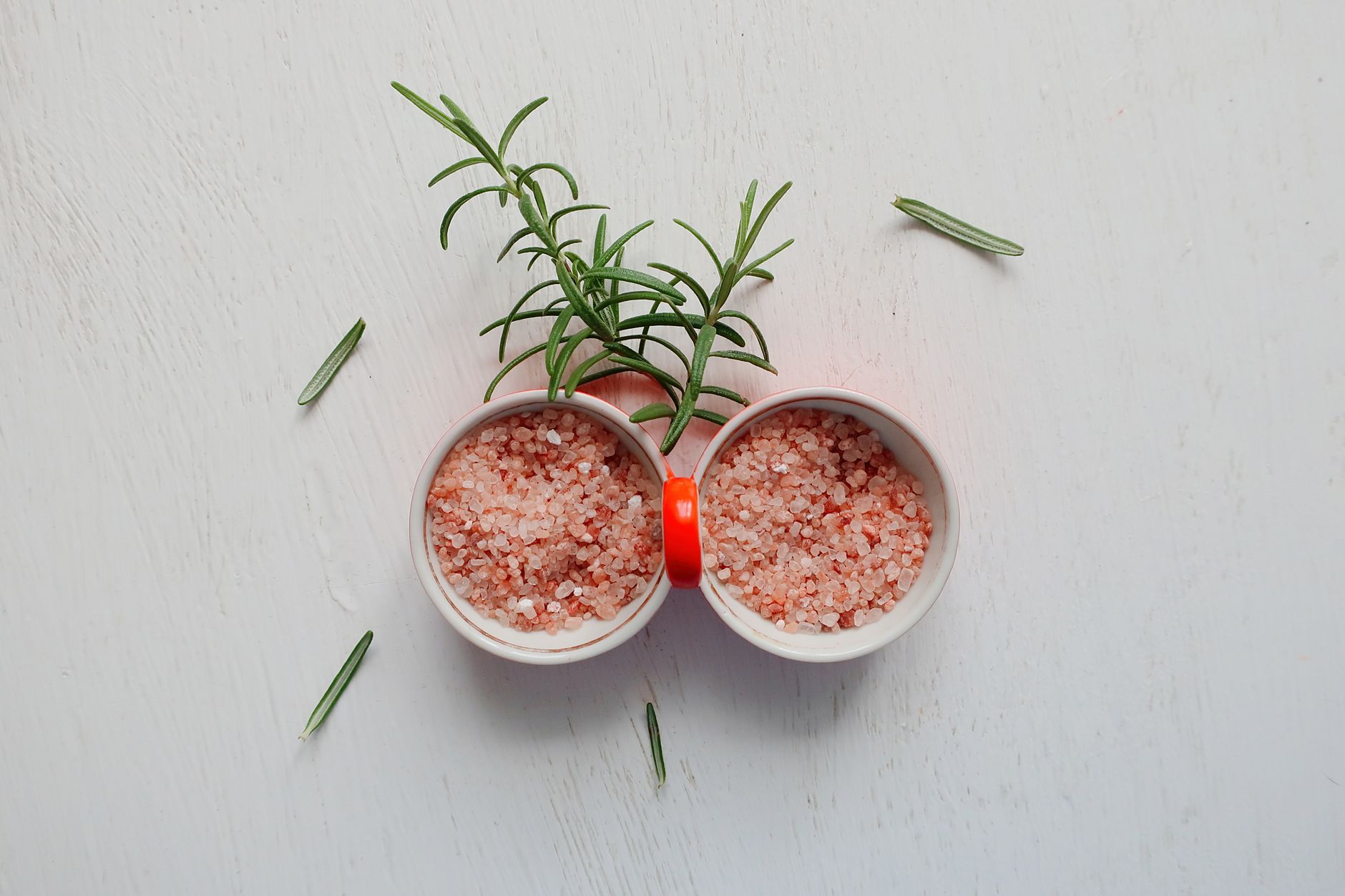
Seasoning salt is a versatile blend commonly used to elevate the flavor of various dishes. This seasoning combines different spices and salt to enhance the overall taste profile of foods, making it a staple in many kitchens. Understanding what is in seasoning salt can help you make better choices in cooking and meal preparation.
In this guide, we will explore the components of seasoning salt, its culinary uses, practical tips for making your own, and how to effectively incorporate it into your meals.
What Is in Seasoning Salt?
Seasoning salt typically contains a mixture of salt and various spices or flavorings, such as garlic powder, onion powder, paprika, black pepper, and sometimes added herbs. The exact ingredients can differ based on brand and intended flavor profile. It’s designed to add a savory yet balanced taste to dishes without the need for multiple individual spices.
Ingredients Breakdown
Commonly, seasoning salt includes the following ingredients:
- Salt: The primary ingredient, typically table salt or kosher salt, which acts as the base flavor.
- Garlic Powder: Adds depth and an aromatic quality.
- Onion Powder: Brings sweetness and further complexity.
- Black Pepper: Introduces heat and pungency.
- Paprika: Offers mild heat, color, and a touch of sweetness.
- Herbs: Dried herbs such as parsley, oregano, or thyme may be included for added freshness and flavor.
- Other Seasonings: Depending on the brand, you might find ingredients like cayenne pepper for heat or sugar for sweetness.
Culinary Uses of Seasoning Salt
Seasoning salt is incredibly versatile and can be used in various cooking methods and dishes, including:
- Meat and Poultry: Rubbed onto steaks, chicken breasts, or pork chops before grilling or baking.
- Vegetables: Sprinkled on roasted or sautéed vegetables for a flavor boost.
- Soups and Stews: Used as a base seasoning to enhance the broth.
- Salads: Mixed into salad dressings or sprinkled over the top before serving.
- Popcorn: A unique flavor enhancer for a savory snack.
Making Your Own Seasoning Salt
Creating your own seasoning salt allows you to control the ingredients and customize the flavor to your liking. Here’s a simple recipe to guide you:
Ingredients Needed
- 1 cup kosher salt
- 2 tablespoons garlic powder
- 2 tablespoons onion powder
- 1 tablespoon black pepper
- 1 tablespoon paprika
- 1 tablespoon dried parsley (optional)
- 1 teaspoon cayenne pepper (optional, for heat)
Essential Equipment
- Mixing bowl
- Whisk or spoon
- Airtight container for storage
Instructions for Preparation
- In a mixing bowl, combine all ingredients thoroughly using a whisk or spoon.
- Once well mixed, transfer the seasoning salt to an airtight container.
- Store in a cool, dry place for up to 6 months.
Tips for Using and Storing Seasoning Salt
Using Seasoning Salt
When using seasoning salt, it’s important to consider the following tips:
- Start Small: Because seasoning salt can be saltier than regular salt, start with a small amount and adjust to taste.
- Timing Matters: For meats, apply seasoning salt before cooking, allowing it to penetrate the meat for better flavor.
- Complementary Flavors: Use seasoning salt to enhance flavors of specific ingredients. For example, it pairs well with grilled vegetables and meats.
Storing Your Seasoning Salt
Proper storage is key to maintaining flavor:
- Airtight Containers: Store seasoning salt in a tightly sealed container to prevent moisture and clumping.
- Cool, Dry Place: Keep it away from heat and direct sunlight to help preserve its flavor over time.
- Check for Freshness: Periodically check for any changes in aroma or clumping, which can indicate it’s time to make a new batch.
Variations of Seasoning Salt
Experimenting with different flavor profiles can yield exciting results. Here are some variations you might consider:
Herbed Seasoning Salt
Add dried herbs like rosemary, basil, or oregano for an aromatic twist.
Spicy Seasoning Salt
Incorporate additional spices such as smoked paprika, cayenne, or chili powder to enhance the heat.
Smoky Seasoning Salt
Use smoked salt instead of regular salt for a distinct smoky flavor in grilled dishes.
Common Mistakes and Troubleshooting
When working with seasoning salt, it’s easy to make a few common errors. Here’s how to avoid them:
Over-Seasoning
Don’t go overboard when adding seasoning salt to a dish. Start with a teaspoon, taste, and add more if necessary.
Inappropriate Timing
Applying seasoning salt too late in the cooking process may not allow the flavors to meld adequately. Season at the right moment for the best outcome.
Not Adjusting for Other Salt
If your recipe calls for additional salt, consider reducing the amount of seasoning salt to prevent oversalting.
Pairing Seasoning Salt with Other Ingredients
Using seasoning salt effectively often requires pairing it with other ingredients that complement its flavors:
- Acidic Ingredients: Pair with lemon juice, vinegar, or yogurt to balance the savory flavor.
- Sweet Ingredients: Ingredients like brown sugar or honey can balance out the saltiness when making rubs or sauces.
- Fat: Combine it with oil or butter for a richer flavor in marinades and dressings.
Practical Ways to Incorporate Seasoning Salt in Meals
Seasoning salt can be added to various meals and snacks. Here are some practical ideas:
Marinating Proteins
Combine seasoning salt with oil, vinegar, and herbs to create a flavorful marinade for meats, fish, and tofu.
Seasoned Roast Vegetables
Toss vegetables in olive oil and seasoning salt before roasting to enhance their natural flavors.
Homemade Dressings
Add seasoning salt to homemade salad dressings for an extra burst of flavor.
Making a Balanced Meal with Seasoning Salt
To make a well-rounded meal, consider using seasoning salt strategically:
- Main Protein: Select chicken, beef, or plant-based proteins and season them with homemade seasoning salt before cooking.
- Vegetable Sides: Pair with seasoned roasted vegetables for added flavor.
- Grain Base: Consider serving over quinoa, rice, or couscous that can absorb the flavors.
Summary of Key Points
Seasoning salt is a simple yet effective way to enhance the flavors of your meals. By understanding its ingredients and uses, you can easily create your own blend and experiment with flavors. Always store it properly and adjust usage according to the dish for the best results. Remember to balance flavors, using acidic, sweet, or fatty components to complement the savory taste of seasoning salt.
Explore further with related flavors by trying our blackening seasoning recipe or spice it up with our chili seasoning recipe. Both can add unique dimensions to your culinary adventures!