
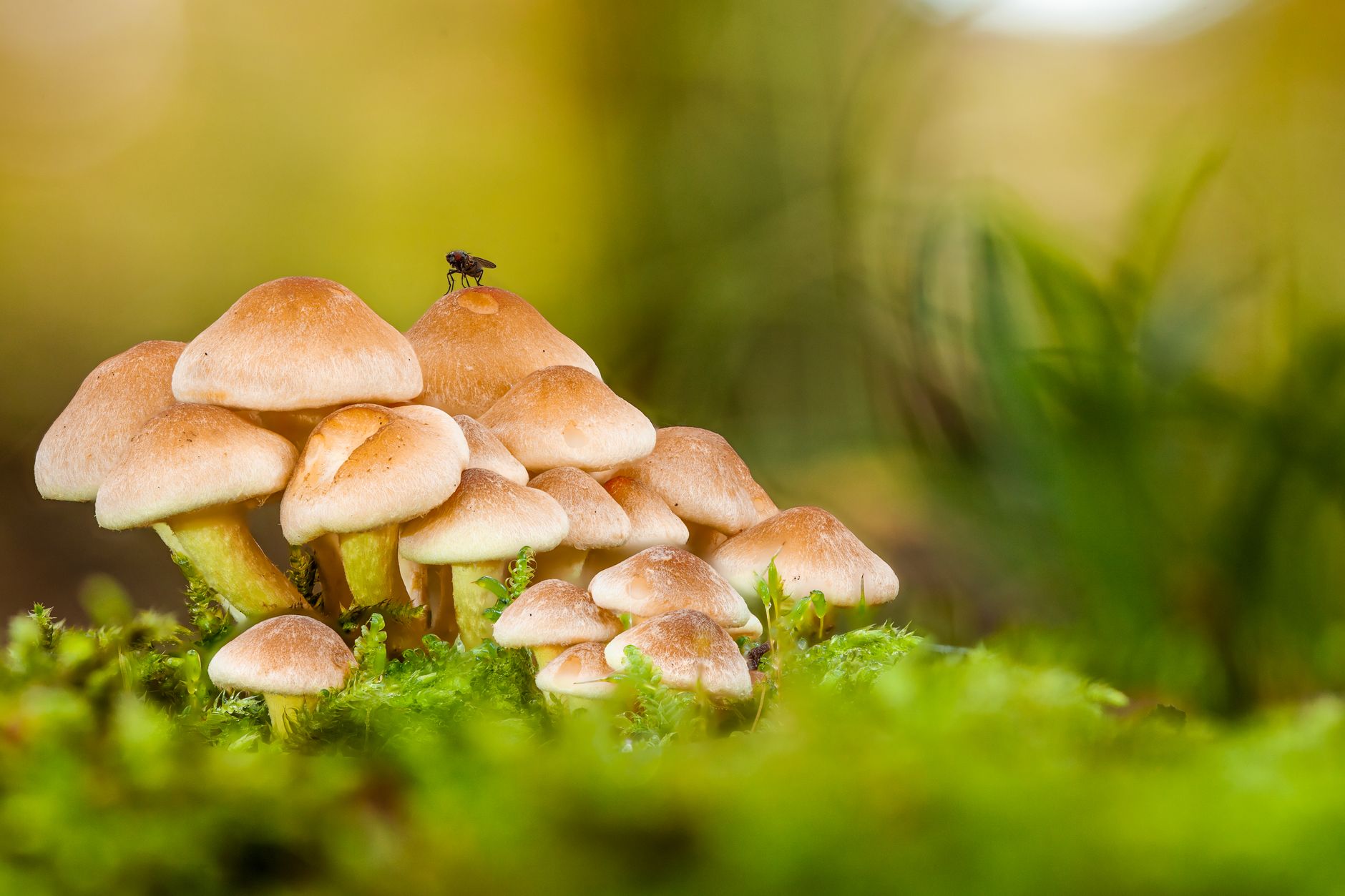
Mushrooms can be a delightful addition to various dishes, adding flavor, texture, and nutrition. However, knowing what bad mushrooms look like is crucial for safe cooking and eating. Unfresh or spoiled mushrooms can lead to foodborne illness, making it essential to identify them correctly.
In this guide, we will explore the characteristics of bad mushrooms, how to select fresh ones, and tips for safe storage. Additionally, we will provide insights into popular mushroom types and how to incorporate them into your meals while ensuring they remain safe and enjoyable.
What Do Bad Mushrooms Look Like?
When identifying bad mushrooms, you should look for several key indicators such as discoloration, texture, and smell. Bad mushrooms may show signs like sliminess, excessive dark spots, or a foul odor. Fresh mushrooms, on the other hand, should exhibit specific characteristics that ensure their safety for consumption.
Signs of Spoilage in Mushrooms
Understanding the signs that indicate mushrooms have gone bad can help prevent health risks. Here are the main characteristics to watch out for:
- Discoloration: Fresh mushrooms will often retain their original color. If you notice browning or dark spots, especially if they are spreading, this indicates spoilage.
- Texture: Good mushrooms should be firm to the touch. If they feel slimy, soft, or overly mushy, they are likely past their prime.
- Smell: Fresh mushrooms have a mild earthy aroma. A sour or pungent smell is a clear sign that they are spoiled.
- Dryness and Wrinkles: Mushrooms that appear dry, shriveled, or have noticeable wrinkles are not fresh and may not taste good.
- Excessive moisture: While mushrooms do contain some water, excessive moisture or pooling at the bottom of the packaging can suggest they are spoiled.
Common Types of Mushrooms and Their Ideal Characteristics
Knowing what fresh mushrooms look like can help when you’re shopping. Here are some common varieties and what you should look for:
- Button Mushrooms: These are typically white or cream-colored and should be firm, smooth, and unblemished.
- Creamy or Brown Mushrooms: Also known as cremini, they range in color from light to dark brown. They should not have any dark spots and feel firm.
- Portobello Mushrooms: These larger mushrooms can show some wrinkles on the edges, but they should not be mushy. The underside (gills) should not be too dark.
- Shiitake Mushrooms: With a tan to dark brown color, fresh shiitake mushrooms should feel firm and have a pleasant aroma.
- Oyster Mushrooms: These mushrooms have a delicate structure and should feel moist to the touch but not slimy. Their color can range from white to gray.
How to Choose Fresh Mushrooms
Choosing fresh mushrooms at the store can make a significant difference in your dishes. Here are some practical tips for selecting the best mushrooms:
- Check the packaging: Whether buying loose mushrooms or packaged ones, inspect for any visible signs of spoilage, such as moisture inside the packaging.
- Examine color: Look for even coloring without dark spots or blemishes.
- Feel the texture: Determine the firmness of the mushrooms; they should feel solid and not compress easily.
- Smell the mushrooms: A fresh light odor is an indicator of good quality mushrooms.
- Look for expiration dates: If you are purchasing pre-packaged mushrooms, always check the sell-by or expiration date.
How to Store Mushrooms Properly
Proper storage is essential to maintain the freshness of mushrooms. Here are effective strategies for storing your mushrooms:
- Refrigerate quickly: Store mushrooms in the refrigerator soon after purchase. Place them in a brown paper bag or a vented container rather than a sealed plastic bag.
- Avoid washing before storage: Wash mushrooms only right before use, as excess moisture can accelerate spoilage.
- Check regularly: Inspect stored mushrooms every few days. Remove any that show signs of spoilage to prevent spreading to healthy ones.
Uses of Fresh Mushrooms in Cooking
Fresh mushrooms are incredibly versatile and can be incorporated into a variety of dishes. Here are some ideas:
- Soups: Add mushrooms to broths for extra flavor and texture.
- Stir-fries: Include sliced mushrooms in your favorite vegetable stir-fry for added depth.
- Salads: Sautéed or fresh mushrooms can enhance salads, providing a savory contrast.
- Pasta: Mushrooms pair well with creamy sauces, adding an earthy flavor.
- Pizzas: Top pizzas with mushrooms for additional taste and texture.
Health Benefits of Mushrooms
Mushrooms are not only delicious but also offer a range of health benefits:
- Low in calories: They are a great option for weight management as they are low in calories but fulfilling.
- Rich in nutrients: Mushrooms are a source of essential vitamins, including B vitamins and vitamin D.
- Antioxidants: They contain antioxidants that can support immune health.
- Good source of fiber: Including mushrooms in your diet can contribute positively to digestive health.
Cooking Techniques for Mushrooms
Utilizing appropriate cooking methods can enhance the flavor and texture of mushrooms. Here are some techniques to consider:
- Sautéing: Sauté mushrooms in a few tablespoons of oil or butter over medium heat. This method helps retain their moisture and develops rich flavors.
- Grilling: Larger mushroom varieties such as portobello can be grilled for a hearty texture. Brush with oil or marinade before grilling for extra flavor.
- Baking: Stuffed mushrooms can be baked for a delicious appetizer. Combine ingredients like cheese, breadcrumbs, and herbs, then bake until golden.
- Roasting: Roasting mushrooms in the oven enhances their natural flavor. Use olive oil, salt, and your choice of herbs for an appealing side dish.
Common Mistakes When Cooking with Mushrooms
Avoid the following common pitfalls when preparing mushrooms:
- Overcrowding the pan: When sautéing, ensure there’s enough space for the mushrooms; overcrowding can cause them to steam instead of brown.
- Cooking at too high a temperature: This can lead to burning. A medium heat allows for even cooking and flavor development.
- Not cleaning properly: Always gently wipe mushrooms with a damp cloth if they are dirty, rather than rinsing them under water, which can introduce excess moisture.
Recipe Ideas Featuring Fresh Mushrooms
If you’re looking for ways to incorporate fresh mushrooms into your meals, consider these recipe ideas:
- Enoki Mushroom Recipe: This delicate mushroom adds a unique texture to dishes.
- Fried Mushroom Recipe: Enjoy the crunch of perfectly fried mushrooms as a snack or side dish.
Conclusion
Knowing how to identify bad mushrooms, selecting fresh ones, and understanding proper storage is crucial for safe cooking. By mastering these techniques, you can enjoy the culinary benefits that mushrooms provide while ensuring your meals are safe and delicious. Incorporate the cooking methods and recipe ideas shared above to celebrate the incredible versatility of mushrooms in your kitchen.
For more inspiration, explore our enoki mushroom recipe or check out our fried mushroom recipe for creative ways to enjoy mushrooms in your next meal.