
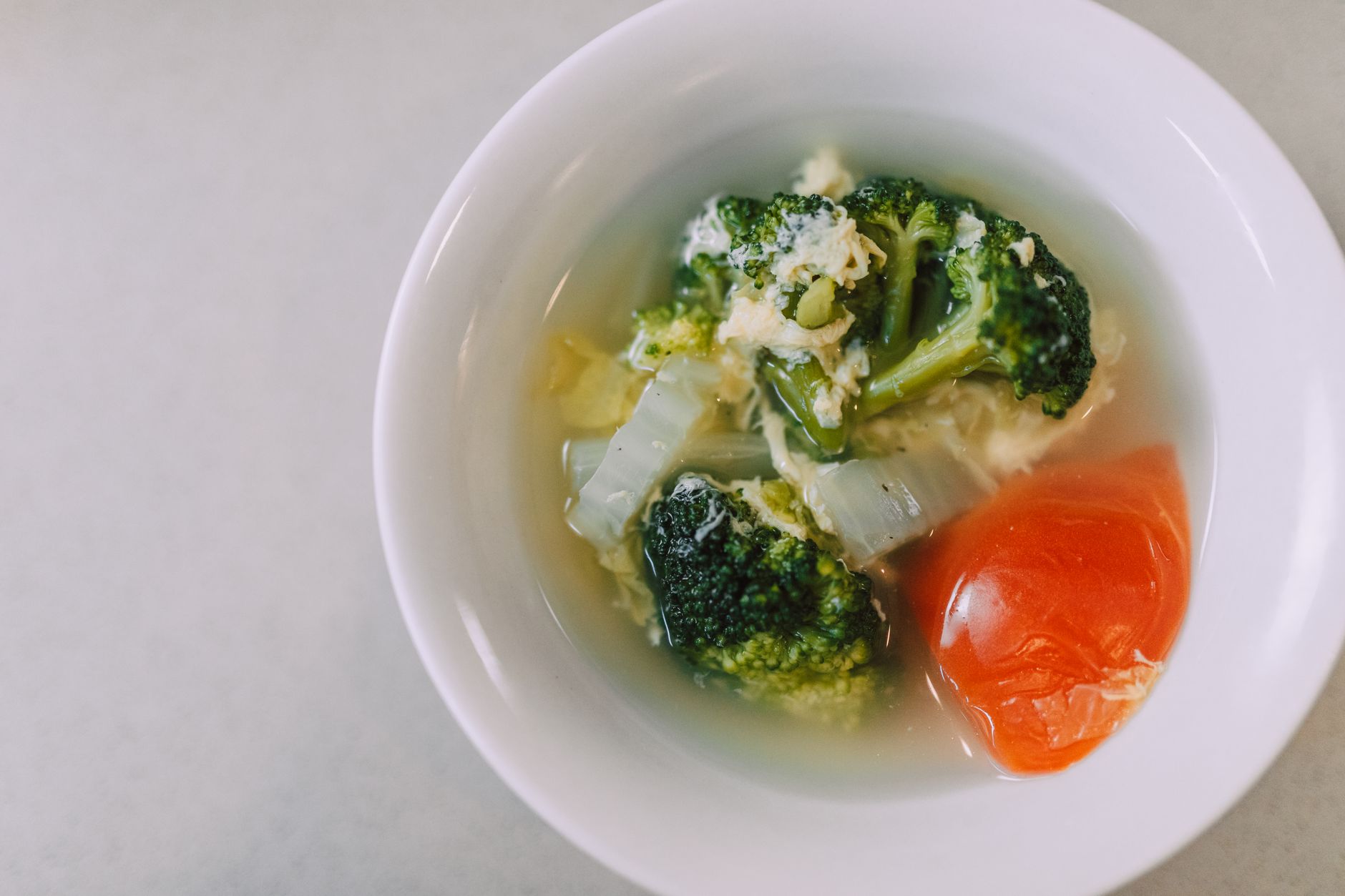
Understanding what foods are easy to digest is important for everyone, especially for those with sensitive stomachs or digestive issues. Foods that are easy to digest can help improve nutrient absorption and reduce bloating or discomfort.
This guide will explore various categories of easy-to-digest foods, their nutritional benefits, and tips for meal planning to accommodate gentle digestion.
What Food Is Easy to Digest?
Easy-to-digest foods are typically low in fiber and fat, and are often rich in essential nutrients. These foods can include certain grains, proteins, fruits, and vegetables that your body can break down without strain.
Common characteristics of easy-to-digest foods include their soft texture and low acidity. Here are notable categories and examples of foods that fit these criteria.
1. Low-Fiber Grains
Grains can be a staple in many diets, but some are easier to digest than others. Low-fiber options are generally preferable for those seeking easy digestion.
- White Rice: This grain is gentle on the stomach and can act as a binder, making it suitable for recovery after illness.
- Oatmeal: Cooked oats are soft and rich in nutrients. Instant oats are a convenient option, though they might contain more sugar.
- Polenta: Made from cornmeal, polenta is easy on the stomach and can be served in various ways, including as a side dish or base for toppings.
- White Bread: Unlike whole grain, white bread lacks the rough fiber that can irritate a sensitive digestive system.
Cooking Tips for Grains
When preparing grains, cooking them thoroughly is key to ease of digestion. This will soften the grain and allow for better nutrient absorption. Boiling or steaming is typically best.
2. Lean Proteins
Protein is essential for the body, but the source and preparation method can affect digestibility. Choosing lean protein options is crucial for easy digestion.
- Chicken (without skin): Skinless chicken is low in fat and high in protein, making it an ideal choice. Grilling or baking is recommended.
- Fish: Fish such as salmon, cod, and tilapia are also light on the stomach. Baking or poaching is the best cooking method.
- Eggs: Eggs are easy to digest and can be prepared in various ways, from scrambled to poached.
- Tofu: For those seeking plant-based options, firm tofu is an excellent source of protein that is easy to digest.
Preparation Methods
Choose cooking methods that do not add unnecessary fats. Grilling, steaming, or baking keeps proteins moist without adding heavy oils, which can complicate digestion.
3. Soft Fruits
Fruits provide essential vitamins and minerals, but not all fruits are easy to digest. Soft, ripe fruits are typically gentle on the stomach and easier to process.
- Bananas: Their creamy texture and natural sweetness make them a favorite for sensitive stomachs.
- Applesauce: Unlike whole apples, applesauce is easier to digest because removing the skin reduces fiber content.
- Melons: Watermelon and cantaloupe have high water content and are light on the digestion system.
- Peeled Peaches: Peaches without skin are soft and easy to eat, providing hydration and nutrients.
Tips for Preparing Soft Fruits
To enhance digestibility, opt for fresh or cooked fruits. Steaming or baking soft fruits can help soften them further, making them easier to digest.
4. Cooked Vegetables
Vegetables are vital for health, but many can be challenging to digest when raw. Cooking vegetables breaks down tough cell walls and reduces fiber content.
- Carrots: Steamed or boiled carrots are nutritious and gentle on the digestive system.
- Spinach: As one of the milder leafy greens, cooking spinach by steaming or wilting makes it easier to digest.
- Squash: Varieties like zucchini and butternut squash are soft when cooked and provide vitamins without heavy fiber.
- Potatoes (without skin): Mashed or baked potatoes can soothe the stomach, making them a great side dish.
Preparation Techniques for Vegetables
Cooking vegetables until they are tender will enhance digestibility. Avoid adding heavy oils or creams to keep them light and palatable.
5. Dairy Alternatives
Dairy can be difficult for many to digest due to lactose, but there are alternatives that provide calcium and nutrients without discomfort.
- Almond Milk: Low in calories and often fortified with vitamins, almond milk is a gentle alternative to cow’s milk.
- Coconut Yogurt: A dairy-free option that provides probiotics for gut health without lactose.
- Rice Milk: Another light and easy option that is typically well-tolerated by those with lactose sensitivities.
Choosing Dairy Alternatives
When selecting dairy alternatives, check for added sugars or preservatives. Unsweetened versions are often better for sensitive digestion.
6. Hydration Options
Staying hydrated is vital for overall health and can aid in digestion. Some beverages are easier on the stomach than others.
- Herbal Teas: Chamomile, ginger, and peppermint teas can be soothing for the digestive system.
- Clear Broths: Chicken or vegetable broth provides hydration and nourishment without heavy fats.
- Protein Smoothies: Using low-fiber fruits and protein powders in smoothies can create a nutrient-rich, easy-to-digest beverage.
Enhancing Digestive Drinks
When making smoothies or beverages, opt for ingredients that lend ease of digestion. Blend well to ensure a smooth texture that’s easier to consume.
7. Cooking Dos and Don’ts
Proper cooking techniques can significantly influence the digestibility of your food. Here are some dos and don’ts to follow.
Dos
- Do steam or boil your vegetables for tenderness.
- Do choose low-fat cooking methods like grilling, poaching, or baking.
- Do remove skins from fruits and vegetables when possible.
Don’ts
- Don’t fry foods, as this adds grease that can disrupt digestion.
- Don’t mix too many ingredients at once; simplicity can aid in easier digestion.
- Don’t consume large quantities at once; smaller servings promote better digestion.
8. Portion Control and Meal Planning
Along with choosing easy-to-digest foods, portion control plays a vital role in digestion. Smaller, more frequent meals can alleviate stress on the digestive system.
Meal Planning Ideas
Create a meal plan that focuses on gentle ingredients and manageable portion sizes. Below is a sample one-day meal guide.
- Breakfast: Smoothie with almond milk, banana, and spinach.
- Lunch: Grilled chicken with white rice and steamed carrots.
- Snack: Applesauce with a sprinkle of cinnamon.
- Dinner: Baked tilapia with mashed potatoes and peaches.
- Drink: Ginger tea after meals.
Incorporating mindful eating practices can also assist in digestion. Chewing food thoroughly and allowing time for meals can support a healthier digestive process.
9. Common Mistakes to Avoid
Many individuals overlook digestibility when choosing foods. Here are some common pitfalls to avoid.
- Choosing high-fiber foods unexpectedly can lead to discomfort.
- Ignoring portion sizes can make even gentle foods hard to handle.
- Consuming excessively spicy or acidic foods can aggravate the stomach.
10. When to Seek Help
While many people can manage their digestive health through dietary choices, certain symptoms warrant professional attention. Consult a healthcare provider if you experience:
- Severe or ongoing abdominal pain.
- Unexplained weight loss.
- Persistent nausea or vomiting.
- Changes in bowel habits that last longer than a few days.
It’s essential to prioritize your health, and working with a nutritionist or dietitian can provide tailored advice that aligns with your specific needs.
Understanding what foods are easy to digest allows for practical adjustments in your diet that can lead to better overall health and well-being. Incorporate these gentle foods into your meals while being mindful of cooking methods and portion sizes.
For a delightful recipe, try making chia pudding with coconut milk for breakfast or a snack. You can explore it further at our chia pudding recipe page. Additionally, if you’re curious about the lifespan of blueberries, visit our guide on blueberry storage.