
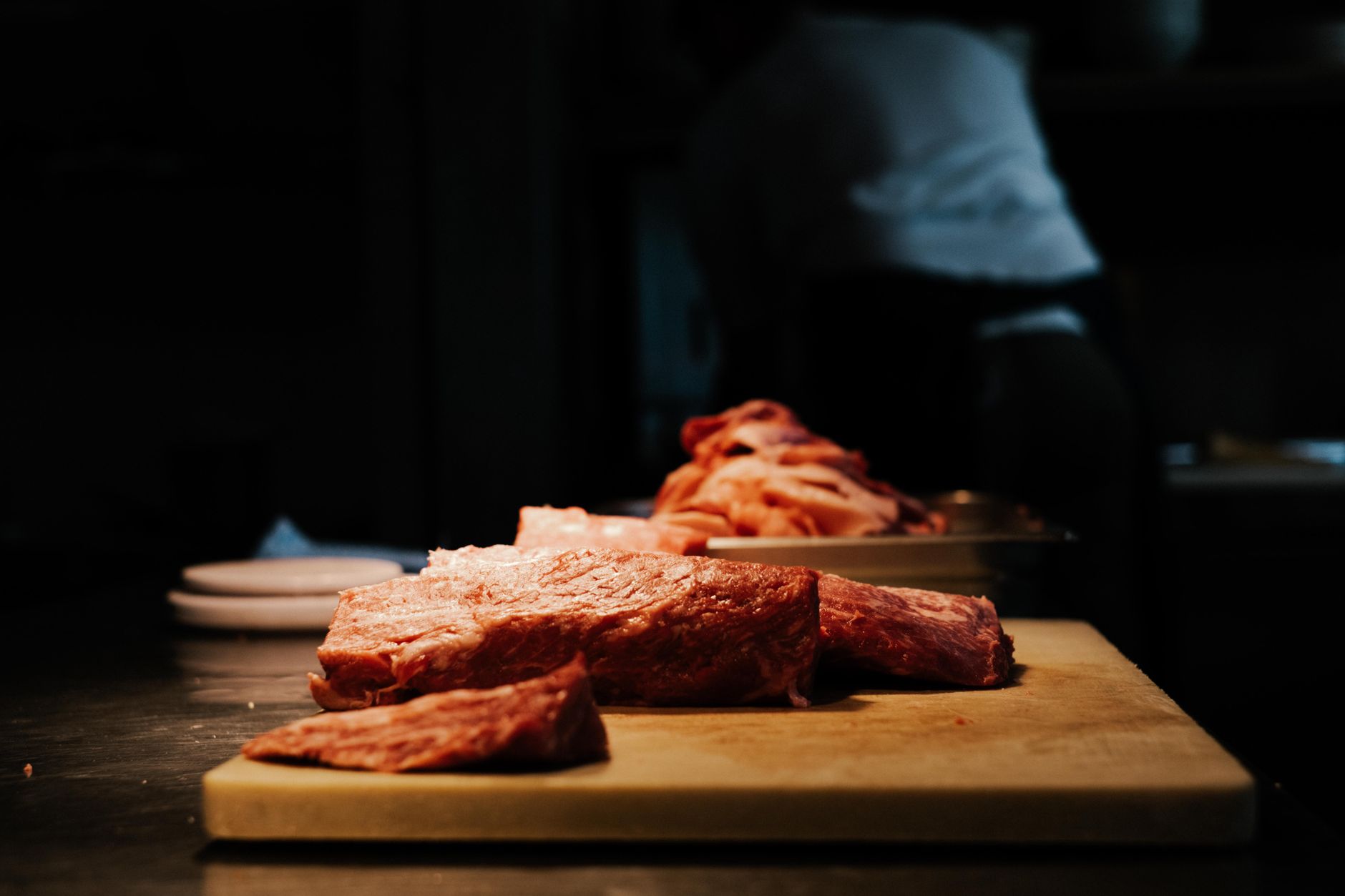
When it comes to meat, many people are curious about its nutritional content, particularly regarding sugar. Most naturally occurring meats, such as beef, chicken, pork, and fish, do not contain sugar in significant amounts. However, understanding the nuances of meat’s sugar content, potential sources of sugar in processed meats, and the culinary implications can help you make informed dietary choices.
This article explores whether meat has sugar, the different types of meat, the sugar content within processed meats, and how this knowledge can affect your cooking and meal planning.
Does Meat Have Sugar?
In short, fresh meat is devoid of sugar. Unprocessed meats such as beef, chicken, pork, and seafood contain virtually no carbohydrates, including sugar. However, processed meats may have sugar added for flavor, preservation, or to enhance their appearance. It’s essential to check the labels of these products for more detailed information.
Understanding Meat Types
To better comprehend the sugar content in meat, it’s useful to categorize types of meat based on their source and processing. Generally, meat can be divided into two main types: unprocessed (fresh) and processed.
Unprocessed Meat
Unprocessed meats include fresh cuts of beef, chicken, pork, lamb, and fish. These meats are naturally free from sugar, making them ideal for low-carb and ketogenic diets. However, they contain essential nutrients like protein, iron, and B vitamins.
Processed Meat
Processed meats include sausages, bacon, ham, and deli meats that may contain added sugars. These sugars can come from various sources, including flavorings, marinades, and fillers. Always check the nutrition label to understand the sugar content in these products.
The Sugar Content in Different Types of Meat
Beef
Fresh beef cuts contain no sugars. Ground beef, steak, and roasts are sugar-free as long as they are not marinated with sugary sauces. However, flavored beef products like marinades and sauces may contain added sugar, so be mindful of what you use when cooking.
Poultry
Chicken and turkey are no different; they have no sugar naturally. Grilled or roasted fresh chicken is an excellent source of lean protein. Still, if you purchase pre-seasoned or pre-marinated versions, it’s essential to check for sugars in the ingredient list.
Pork
Pork is typically sugar-free in its unprocessed form, including cuts like pork chops and tenderloin. However, cured meats such as bacon or ham can have added sugars used in the curing process. Always read labels to verify if sugars were included for flavor enhancement.
Fish and Seafood
Most fish and seafood varieties, such as salmon, tuna, and shrimp, contain no sugar. These protein-rich options are incredibly healthy and can be prepared in numerous ways without introducing unnecessary sugars.
Reading Labels: Sugar in Processed Meats
When shopping for meats, especially processed ones, it’s crucial to read ingredient labels carefully. Here’s what to look for:
- Added Sugars: Under the ‘Nutrition Facts’ section, look for sugars listed in grams. If added sugars are present, they will typically be mentioned under ingredients.
- Ingredients List: Check for words like “sucrose,” “high fructose corn syrup,” “honey,” or any syrup. These indicate the presence of sugar.
- Serving Sizes: Keep in mind that sugar content can vary significantly based on portion size. Always consider how much you’ll be consuming.
Healthy Meat Choices
Choosing the right type of meat and understanding their sugar content can lead to healthier meal decisions. Here are a few tips for selecting healthier meat options:
- Opt for Fresh: Whenever possible, choose fresh or unprocessed meats over processed ones.
- Lean Cuts: Lean meats like chicken breast, turkey, and pork tenderloin provide protein without added fats or sugars.
- Organic Options: Consider organic meats that do not contain preservatives or added sugars.
- Marinades without Sugar: Make your marinades using herbs, spices, and acid such as vinegar or lemon juice to avoid sugars often found in store-bought options.
Culinary Uses of Meat Without Sugar
When you embrace fresh meats in your culinary practices, you have countless ways to prepare them without needing to add sugar. Here are some suggestions:
Grilling and Roasting
Grilling or roasting provides a rich, caramelized flavor to meats without the need for sugary marinades. Use spices, herbs, and citrus for flavor enhancement.
Stir-Frying and Sautéing
Stir-frying meats with various vegetables is an excellent way to create nutrient-rich meals. Use soy sauce or tamari, making sure to choose brands without added sugars.
Slow Cooking
Utilize slow cookers for flavorful, tender meats. Add bones, vegetables, and herbs to build flavor without the addition of sugars.
Common Mistakes to Avoid
Several common mistakes can lead to the unintended incorporation of sugars into your meat-based dishes:
- Assuming All Meats Are the Same: Do not assume that all meats have the same nutritional value. Always check if pre-marinated or processed meats contain added sugars.
- Using Sugar-rich Sauces: Many sauces and condiments have hidden sugars; opt for homemade versions to control ingredients.
- Not Reading Labels: Always read the labels on packaging to identify the specific sugars and additives present in processed meats.
Making Meat Choices for Meal Planning
Making informed choices about your meat intake can aid in effective meal planning. Here’s how to incorporate these insights:
Batch Cooking with Meat
When preparing meals ahead of time, bulk cooking fresh meats can save time and money. Cooking a large quantity of chicken, pork, or beef can be portioned for various meals throughout the week without adding sugars.
Meal Prep Ideas
Consider these ideas for successful meal prep:
- Grilled Chicken Salad: Prep grilled chicken to use throughout the week on salads or bowls.
- Stir-Fried Beef and Vegetables: Cook a large batch of stir-fried beef and veggies that can be served over rice or quinoa.
- Slow-Cooked Pulled Pork: Make a big batch of pulled pork without added sugars for sandwiches, tacos, or salads.
Storage and Reheating Guidelines
Understanding safe storage and reheating practices enhances the longevity and safety of meat. Here are some best practices:
- Refrigeration: Store cooked meat in airtight containers in the fridge for up to four days. Ensure it is cooled to room temperature before refrigerating.
- Freezing: If not consumed within four days, freeze cooked meat in freezer-safe containers or bags, ensuring to label the date. Frozen meat is best used within three months.
- Reheating: When reheating meat, ensure it reaches an internal temperature of 165°F (74°C) for safe consumption.
Conclusion
In summary, most unprocessed meats do not contain sugar, making them a great addition to low-carb and sugar-conscious diets. Awareness of the differences between processed and unprocessed meats can help in making healthier choices. By reading labels and being selective about marinades and sauces, you can keep your meals balanced and nutritious.
For more related information, explore tips on how long cooked ground beef is good in the fridge, or read about the storage duration for ground beef in the fridge for food safety insights.