
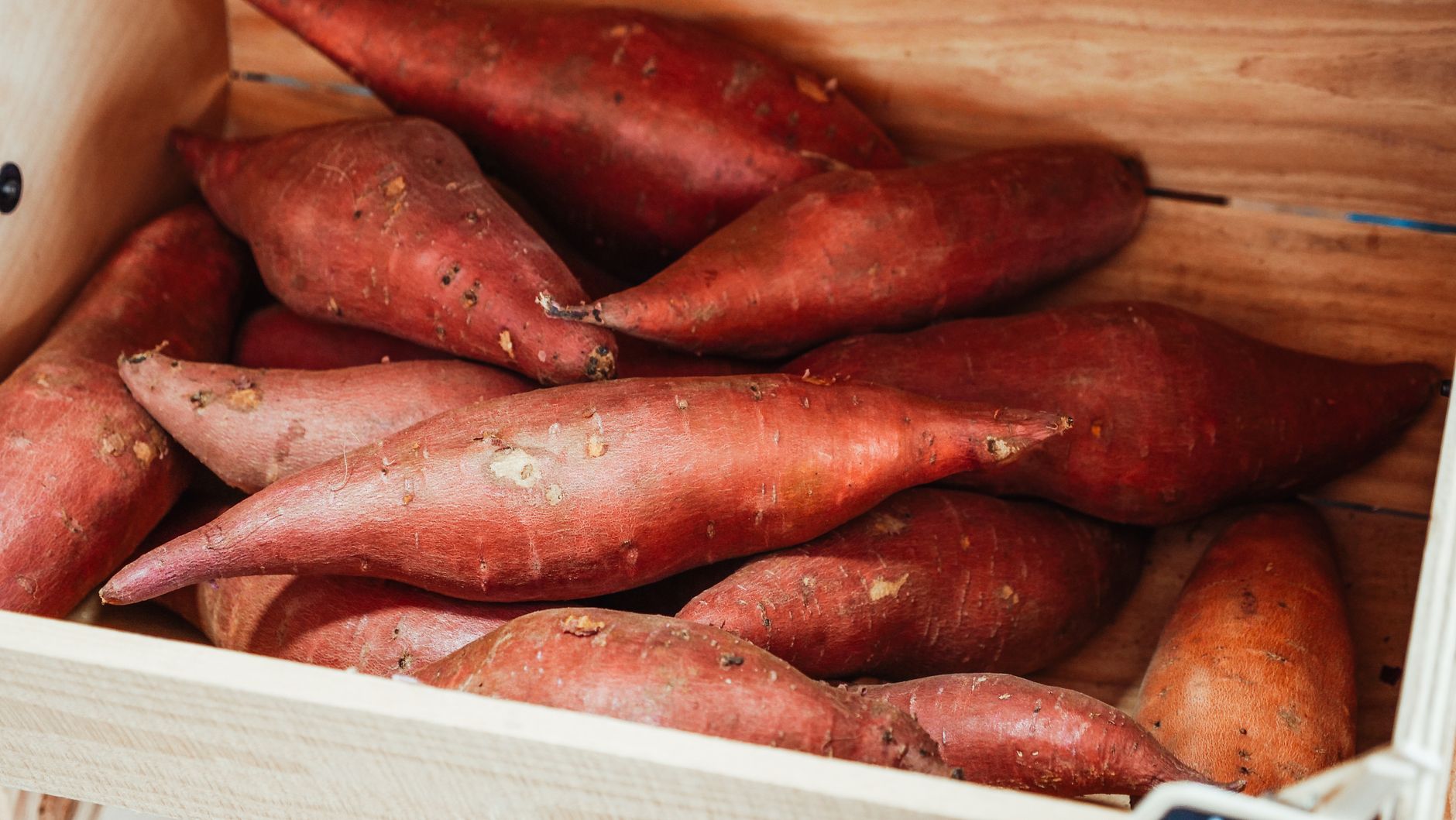
Sweet potatoes, a beloved nutrient-rich root vegetable, often take center stage in various culinary preparations. Known for their naturally sweet flavor and vibrant color, they are a great addition to any meal. Yet, many people are curious about their nutritional profile, particularly the protein content.
This guide examines the protein content in sweet potatoes, alongside other nutritional benefits. Understanding how much protein is in a sweet potato can help in meal planning and ensuring you meet your dietary needs.
How Much Protein Does a Sweet Potato Have?
A medium-sized sweet potato (approximately 130 grams) contains about 2 grams of protein. While this may seem low compared to animal sources, sweet potatoes are packed with other essential nutrients that can easily complement a well-rounded diet.
Nutritional Profile of Sweet Potatoes
Beyond protein, sweet potatoes provide a wealth of nutritional benefits. Each medium sweet potato contains:
- Calories: 112
- Carbohydrates: 26 grams
- Dietary Fiber: 4 grams
- Fat: 0.1 grams
- Vitamin A: 438% of the Daily Value (DV)
- Vitamin C: 37% of the DV
- Potassium: 12% of the DV
- Magnesium: 8% of the DV
This diverse nutrient profile makes sweet potatoes a valuable addition to any diet, contributing to overall health and well-being.
Health Benefits of Sweet Potatoes
In addition to their protein content, sweet potatoes boast numerous health benefits:
- Rich in Antioxidants: Sweet potatoes are high in beta-carotene, which the body converts to vitamin A, supporting eye health and immune function.
- Supports Digestive Health: The dietary fiber in sweet potatoes promotes digestive regularity and gut health.
- Blood Sugar Regulation: Despite their sweetness, sweet potatoes have a low glycemic index (GI), which can help maintain stable blood sugar levels.
- Heart Health: Their high potassium content can help lower blood pressure, reducing the risk of heart disease.
How to Incorporate Sweet Potatoes into Your Diet
There are countless ways to enjoy sweet potatoes. Here are a few popular methods:
- Baking: A simple baked sweet potato can be stuffed with toppings of your choice, such as beans, cheese, or veggies.
- Mashing: Mashed sweet potatoes with a touch of butter or olive oil make a delicious and nutritious side dish.
- Roasting: Cut sweet potatoes into cubes or wedges, toss them with olive oil and seasonings, and roast until golden brown for a flavorful addition to salads or grain bowls.
- Soups and Stews: Sweet potatoes can add sweetness and creaminess to soups, complementing savory spices and ingredients.
Cooking Methods for Sweet Potatoes
Preparing sweet potatoes can vary depending on your desired dish, and different cooking methods can affect their taste and texture.
Baking Sweet Potatoes
Baking is a simple way to prepare a sweet potato, resulting in a tender texture and a naturally sweet flavor.
- Preheat your oven to 400°F (200°C).
- Wash and scrub the sweet potatoes under running water, ensuring they are clean.
- Pierce the potatoes with a fork several times to allow steam to escape during baking.
- Place them on a baking sheet lined with foil or parchment paper.
- Bake for 45-60 minutes or until they are tender and easily pierced with a fork.
Boiling Sweet Potatoes
Boiling sweet potatoes is another quick method, often used for mashing.
- Wash and peel the sweet potatoes, then cut them into uniform chunks of about 1-inch pieces.
- Place the sweet potato chunks in a large pot and cover them with water.
- Bring the water to a boil, then reduce the heat and simmer for about 15-20 minutes, or until the sweet potatoes are fork-tender.
- Drain the sweet potatoes and use them as desired.
Roasting Sweet Potatoes
Roasting enhances the sweet flavor and results in a crispy exterior.
- Preheat your oven to 425°F (220°C).
- Wash, peel, and cut the sweet potatoes into cubes or wedges.
- Toss the pieces in a bowl with olive oil, salt, pepper, and any desired spices.
- Spread them on a baking sheet in a single layer.
- Roast for approximately 25-30 minutes, flipping halfway through, until they are golden brown and crispy.
Common Mistakes When Cooking Sweet Potatoes
While cooking sweet potatoes, avoiding these common pitfalls can help you achieve the best flavor and texture:
- Overcooking: Whether baking or boiling, overcooked sweet potatoes can become mushy. Monitor cooking times closely.
- Skipping the Wash: Always wash sweet potatoes to remove dirt and pesticides. Even if you peel them, this is a necessary step.
- Cutting Too Small: When boiling, cut sweet potatoes into even-sized chunks to ensure uniform cooking.
- Not Seasoning: Sweet potatoes can be quite versatile. Explore different seasonings beyond salt and pepper to enhance their flavor.
Sweet Potato Varieties
There are several varieties of sweet potatoes, each with its own texture and flavor profile:
- Orange Flesh: This is the most common type, known for its sweet, earthy flavor and rich beta-carotene content.
- White Flesh: These have a more neutral flavor and firmer texture, often resembling traditional potatoes.
- Purple Flesh: This variety has a slightly sweet flavor and is packed with anthocyanins, antioxidants that may offer health benefits.
Protein-Rich Pairings for Sweet Potatoes
To enhance the protein content of meals featuring sweet potatoes, consider pairing them with these protein-rich foods:
- Black Beans: A classic pairing, black beans add fiber and protein while creating a delicious and nutritious dish.
- Quinoa: This grain is a complete protein and works well with sweet potatoes in grain bowls or salads.
- Greek Yogurt: Top baked sweet potatoes with Greek yogurt for added creaminess and protein.
- Lentils: Adding lentils to a sweet potato soup boosts both protein and fiber content.
Storage and Reheating Tips for Sweet Potatoes
Proper storage and reheating can maintain the quality and safety of sweet potatoes:
- Raw Sweet Potatoes: Store them in a cool, dark place to extend their shelf life. Avoid refrigerating raw sweet potatoes.
- Cooked Sweet Potatoes: Store any leftover cooked sweet potatoes in an airtight container in the refrigerator for up to 5 days.
- Freezing: You can freeze cooked sweet potatoes by mashing or cubing them and storing them in freezer-safe bags. They can last for about 6 months.
- Reheating: Reheat cooked sweet potatoes in the microwave, oven, or stovetop until warmed through.
Exploring Sweet Potato Recipes
There is no shortage of delicious recipes that feature sweet potatoes as the main ingredient. Here are a few ideas to inspire your cooking:
- Sweet Potato and Black Bean Enchiladas: Rolled tortillas filled with sweet potatoes and black beans, topped with enchilada sauce.
- Sweet Potato Fries: A healthier alternative to traditional fries, seasoned and baked to crisp perfection.
- Sweet Potato Pancakes: Adding sweet potato purée to pancake batter for a nutritious breakfast option.
- Curried Sweet Potato Soup: A comforting soup infused with spices and served warm.
Conclusion
Sweet potatoes are a versatile and nutritious option, with about 2 grams of protein per medium-sized serving. They offer a range of health benefits and can be incorporated into various dishes. Ultimately, pairing sweet potatoes with protein-rich foods can create balanced meals that contribute to your dietary goals. Explore the possibilities and enjoy the delicious flavors of sweet potatoes!
If you’re interested in further exploring nutrition, consider checking out our guide on how much protein in spinach or learn about how long to bake a sweet potato.