
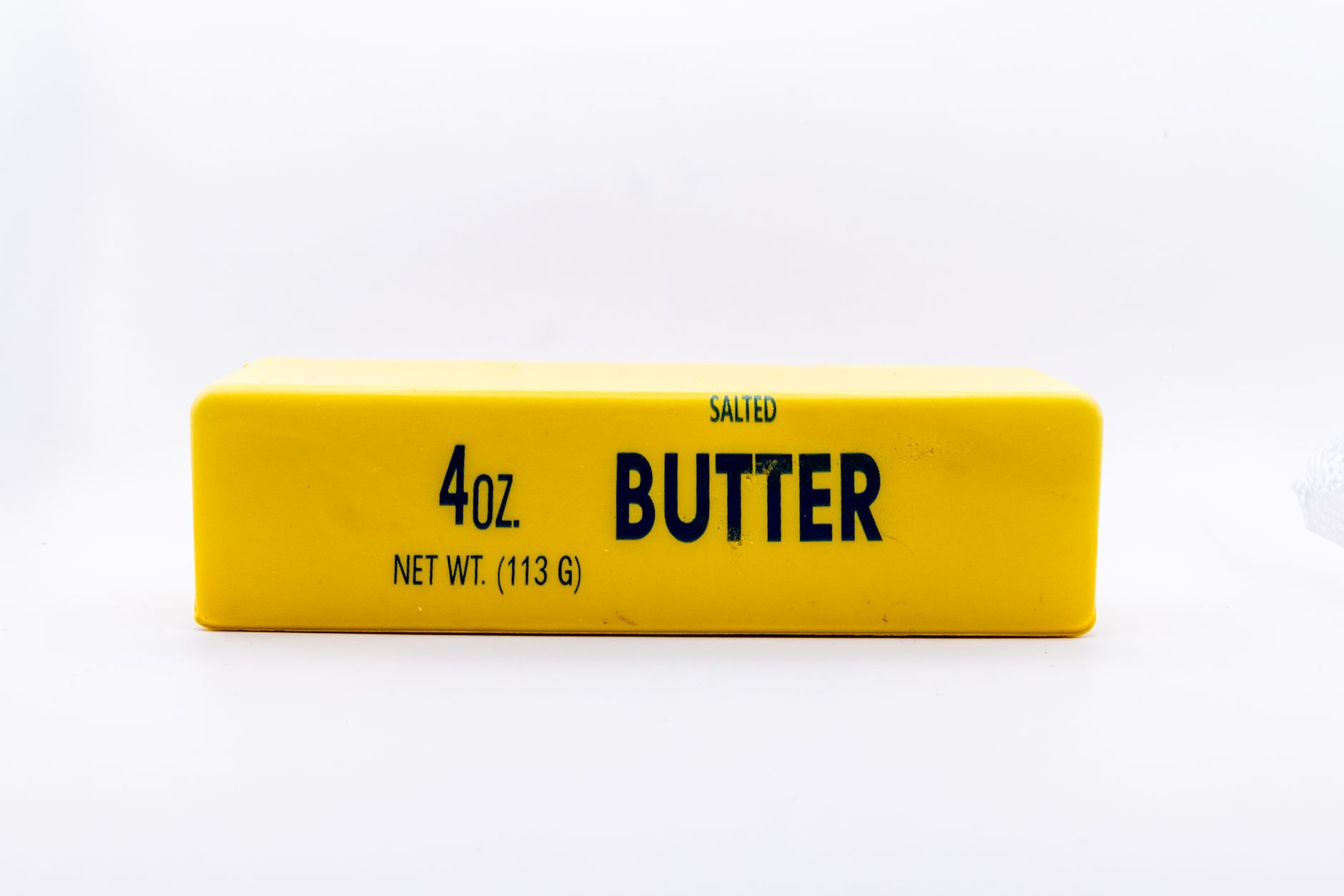
Understanding the measurement of ingredients is crucial for successful cooking and baking. One ingredient that many recipes often reference is butter, specifically in the form of sticks. This guide will explain the conversion of one stick of butter into grams, along with practical information about butter types, its culinary uses, and tips for measuring and substituting in recipes.
In the United States, a common stick of butter equals 4 ounces. However, in terms of grams, this measurement can slightly vary based on butter density. Here, we will clarify these conversions to ensure your next culinary endeavor is precise and delightful.
What Is One Stick of Butter in Grams?
One stick of butter typically weighs 113.4 grams. This measurement is widely accepted in cooking and baking, providing a useful reference when preparing your favorite recipes. There are also slight variations based on the brand and type of butter, but 113.4 grams is a standard figure to use.
Understanding Butter and Its Culinary Uses
Butter is a versatile ingredient featured in numerous recipes, ranging from baked goods to savory dishes. It not only adds flavor but also contributes to the texture of various foods. Below are some key uses and qualities of butter:
- Flavor: Butter provides a rich, creamy flavor that enhances both sweet and savory dishes.
- Texture: In baking, butter helps create a tender crumb in cakes and pastries while adding flakiness in pie crusts.
- Cooking Medium: Butter is often used as a base for sauces, sautéing vegetables, and cooking proteins.
- Emulsification: In recipes such as hollandaise sauce, butter acts as an emulsifier, helping to blend oil and water.
Types of Butter and Their Measurements
When measuring butter for recipes, it’s essential to be aware of the type you’re using. Here’s a brief overview of the most common types:
- Unsalted Butter: Preferred in baking, it allows for better control of the salt content in recipes.
- Salted Butter: Contains added salt for flavor; adjustments need to be made in recipes that also include salt.
- European Butter: Higher fat content (around 82% compared to 80%) provides richer flavor and texture.
- Clarified Butter: Made by melting butter and separating the milk solids, ideal for high-heat cooking.
Measuring Butter Accurately
Accurate measurements are crucial for recipe success, especially in baking. Here are essential tips on how to measure butter effectively:
- Using Stick Measurements: Most sticks of butter come with measurements printed on the wrapper, making it easy to cut off the desired amount.
- Using a Kitchen Scale: For accuracy, use a digital kitchen scale. Place the bowl on the scale, zero it out, and measure out the necessary amount of butter.
- Melting Butter: If a recipe requires melted butter, measure solid butter first, then melt it. Allow cooling before incorporating into other ingredients.
Converting Between Butter Stick and Grams
If you’re following a recipe from another country or one that uses the metric system, you may need to convert the measurements. Here’s a simple conversion summary:
| Measurement | Grams (g) | Ounces (oz) | Sticks |
|---|---|---|---|
| 1 Stick of Butter | 113.4 g | 4 oz | 1 stick |
| 2 Sticks of Butter | 226.8 g | 8 oz | 2 sticks |
Common Butter Substitutions
Sometimes, you may not have butter on hand, or you may wish to use an alternative. Here are some common substitutions:
- Margarine: A common substitute for butter, with a similar texture but slightly different flavor. Use in a 1:1 ratio.
- Coconut Oil: A great dairy-free alternative; use melted coconut oil in equal measure.
- Applesauce: For baking, unsweetened applesauce can replace butter for moisture; use 1/2 the amount needed for butter.
- Olive Oil: Good for cooking and sautéing; replace butter with 90% of the amount needed.
Common Mistakes When Using Butter
Baking requires precision, and using butter incorrectly can lead to poor results. Here are common mistakes to avoid:
- Using Cold Butter: Many recipes call for softened butter. Using cold butter can lead to insufficient mixing and a dense texture.
- Substituting Without Adjustments: When replacing butter with another fat, ensure you make necessary adjustments to the recipe’s ratios.
- Not Measuring Accurately: Always measure butter by weight for accuracy instead of guessing by volume unless otherwise specified.
Storing Butter for Optimal Freshness
Proper storage of butter will help maintain its quality, flavor, and freshness. Here are best practices:
- Refrigeration: Store butter in the refrigerator for up to a month. Use an airtight container to prevent absorbing other odors.
- Freezing: Butter can be frozen for up to six months. Wrap it tightly in plastic wrap and keep in an airtight container.
- Room Temperature: If you use butter frequently, you can store a small amount at room temperature in a butter dish for about a week.
Conclusion and Practical Next Steps
Now you have a comprehensive understanding of how to measure butter, convert sticks into grams, explore common substitutions, and avoid mistakes. This knowledge can enhance your cooking and baking experience, ensuring delicious results every time. Remember, using quality ingredients and paying attention to measurement can take your culinary skills to the next level.
For more culinary inspiration, consider trying a sourdough cookie recipe or learning how to make clarified butter. Happy cooking!