
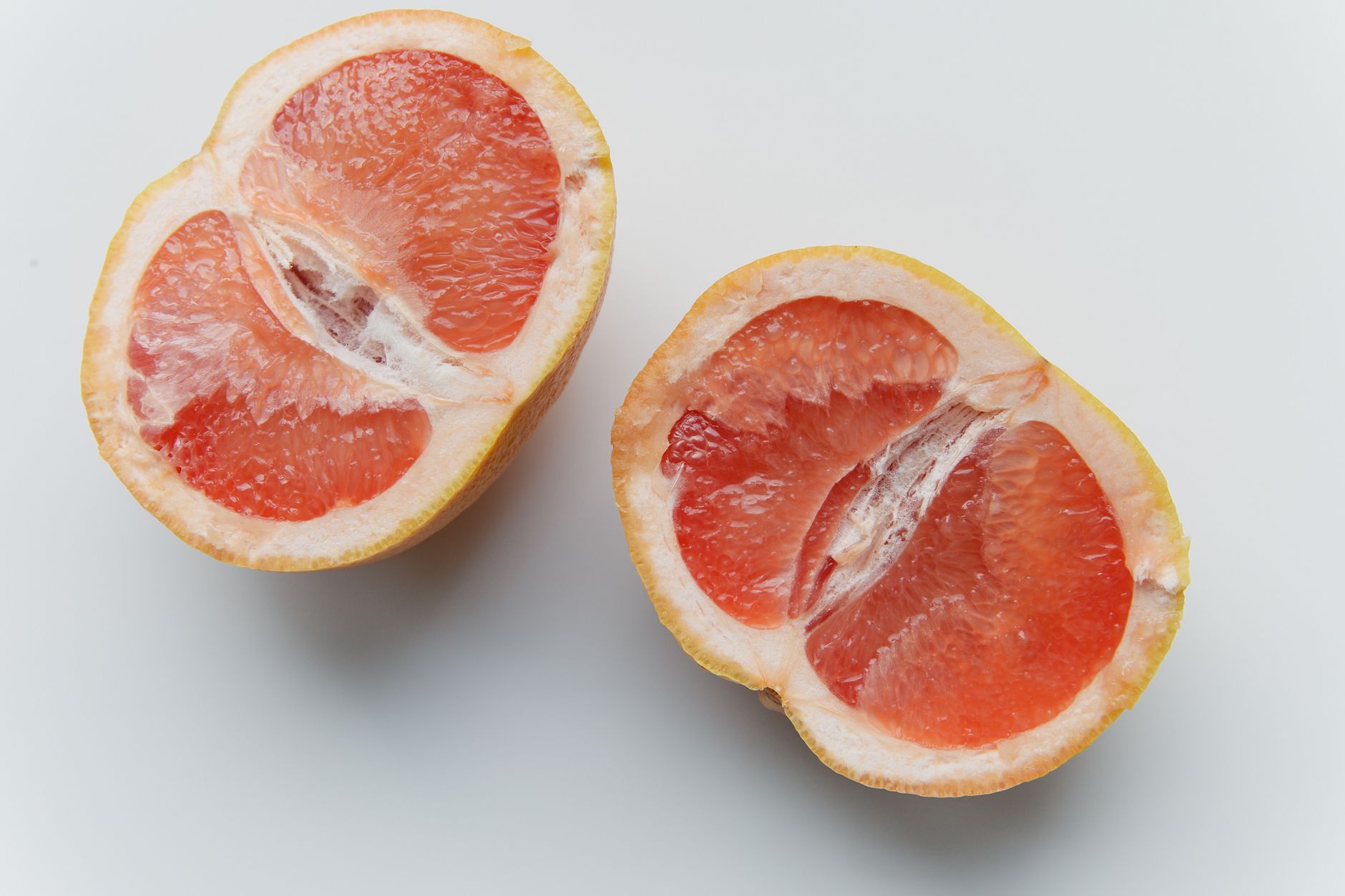
Grapefruit is a popular citrus fruit known for its tart and slightly bitter flavor. Many people wonder about its impact on health, particularly concerning blood pressure. This article explores the relationship between grapefruit and blood pressure, including how to incorporate this fruit into your diet effectively.
Research suggests that grapefruit may have beneficial effects on blood pressure, owing to its rich content of vitamins, minerals, and antioxidants. Understanding how to properly consume grapefruit and in what portions can enhance its positive effects while accommodating your dietary needs.
Is Grapefruit Good for Blood Pressure?
Yes, grapefruit can be good for blood pressure. Studies indicate that consuming grapefruit may help lower blood pressure due to its high potassium and antioxidant content. These compounds can improve vascular health by promoting better blood flow and reducing arterial stiffness.
Understanding Blood Pressure
Blood pressure refers to the force of blood against the walls of arteries. It is measured in millimeters of mercury (mmHg) and is expressed with two numbers: systolic (the top number) and diastolic (the bottom number). Ideally, normal blood pressure ranges from 90/60 mmHg to 120/80 mmHg.
High blood pressure, or hypertension, can lead to severe health complications such as heart disease and stroke. Therefore, incorporating a diet that can help lower blood pressure, like one including grapefruit, can be beneficial.
How Grapefruit Affects Blood Pressure
The relationship between grapefruit and blood pressure can be attributed to several factors:
- High Potassium Content: Grapefruit is rich in potassium, an essential mineral known to help regulate blood pressure levels by counteracting sodium’s effects.
- Antioxidants: Grapefruit contains various antioxidants, such as flavonoids and vitamin C, which contribute to heart health and may reduce inflammation in blood vessels.
- Fiber Content: The soluble fiber found in grapefruit can aid in lowering cholesterol levels, further supporting cardiovascular health.
Incorporating Grapefruit into Your Diet
To maximize the potential blood pressure-lowering benefits of grapefruit, consider the following tips on how to incorporate it into your daily meals:
Fresh Grapefruit
Eating fresh grapefruit is one of the best ways to enjoy its health benefits. Simply cut the fruit in half and scoop out the segments with a spoon. You can add a little honey or sprinkle some sea salt to enhance the flavor.
Grapefruit Juice
Fresh grapefruit juice can be a refreshing drink. Ensure you choose 100% pure grapefruit juice without added sugars. A serving size is typically about 4 ounces (120 ml).
Grapefruit Salads
Adding grapefruit segments to salads can elevate flavors and provide a nutritious boost. Combine grapefruit with leafy greens, avocado, nuts, and a light vinaigrette for a refreshing meal.
Grapefruit Smoothies
Combine grapefruit with other fruits like banana or berries for a delicious smoothie. Use a base of yogurt or almond milk for added creaminess.
Recommended Portions and Serving Sizes
When incorporating grapefruit into your diet, moderation is key. A typical serving size is:
- One medium grapefruit or
- About 4 ounces (120 ml) of fresh grapefruit juice.
Consuming one grapefruit per day or a few servings of grapefruit juice can be a healthy addition to your diet without overwhelming your system.
Potential Side Effects and Considerations
While grapefruit can be beneficial, it is essential to be aware of certain interactions and side effects:
- Medication Interactions: Grapefruit can interact with various medications, especially statins and blood pressure medications. It’s crucial to consult your healthcare provider before adding grapefruit to your diet if you currently take prescribed drugs.
- Acidic Nature: The acidity of grapefruit can lead to digestive discomfort for some individuals, especially those with conditions such as acid reflux.
Tips for Safe Consumption
To enjoy grapefruit safely:
- Check with your doctor if you take medications that may interact with grapefruit.
- Start with small portions to assess your tolerance.
- Opt for fresh grapefruit or 100% grapefruit juice without additives.
Popular Recipes with Grapefruit
Incorporating grapefruit into your meals can be simple and delicious. Here are a few recipe ideas that effectively incorporate grapefruit:
Grapefruit and Avocado Salad
This refreshing salad combines the creaminess of avocado with the tartness of grapefruit.
- Ingredients:
- 1 medium grapefruit
- 1 ripe avocado
- 2 cups mixed greens
- 2 tablespoons olive oil
- 1 tablespoon balsamic vinegar
- Salt and pepper to taste
- Preparation:
- Segment the grapefruit and set aside.
- Cube the avocado and add to a bowl with the mixed greens.
- Drizzle with olive oil and balsamic vinegar, then add salt and pepper to taste.
- Top with grapefruit segments and serve immediately.
- Ingredients:
- 1 grapefruit
- 1 banana
- 1 cup spinach
- 1/2 cup Greek yogurt
- 1/4 cup almond milk
- (Optional toppings: sliced fruit, granola, seeds)
- Preparation:
- Segment the grapefruit, and add it to a blender.
- Add banana, spinach, yogurt, and almond milk, blending until smooth.
- Pour into a bowl and top with your favorite toppings, if desired.
- Oranges: Packed with vitamin C and fiber, they are a fantastic choice for lowering blood pressure.
- Lemons: These are also rich in vitamin C and can be consumed in water, salad dressings, or added to various dishes.
- Mandarins: These smaller citrus fruits provide similar benefits and are often sweeter, making them a great snack option.
- Room Temperature: Grapefruit can be stored at room temperature for about a week.
- Refrigerator: For longer storage, in the fridge, grapefruit can last up to two weeks.
Grapefruit Smoothie Bowl
This vibrant smoothie bowl is not only nutritious but also visually stunning.
Other Citrus Fruits for Blood Pressure
Grapefruit isn’t the only citrus fruit that can help support blood pressure levels. You may also consider the following options:
Meal Planning with Grapefruit
Integrating grapefruit into your meal planning can be a straightforward process. Here’s how to effectively add grapefruit to a weekly menu:
Sample Weekly Menu
| Day | Meal |
|---|---|
| Monday | Breakfast: Grapefruit sections with yogurt |
| Tuesday | Lunch: Grapefruit and avocado salad |
| Wednesday | Snack: Grapefruit smoothie |
| Thursday | Dinner: Grilled fish with citrus salsa (including grapefruit) |
| Friday | Breakfast: Grapefruit and oatmeal bowl |
| Saturday | Lunch: Spinach salad with grapefruit vinaigrette |
| Sunday | Dessert: Grapefruit sorbet (homemade) |
Storage and Handling of Grapefruit
Knowing how to store grapefruit properly can extend its shelf life and preserve freshness:
To maintain freshness, handle grapefruit gently to avoid bruising. Wash them thoroughly under running water before consumption to remove any pesticides or contaminants.
Conclusion
Grapefruit can be a valuable addition to your diet, potentially helping to lower blood pressure while offering a refreshing burst of flavor. Remember to consume it in moderation and consult with a healthcare provider if you’re on medication that may interact with grapefruit. Enjoy the health benefits of grapefruit through creative recipes and meal planning to reap its full potential.
For more health-related recipes, consider exploring the benefits of chia seeds or trying a delightful chia pudding recipe with coconut milk.