
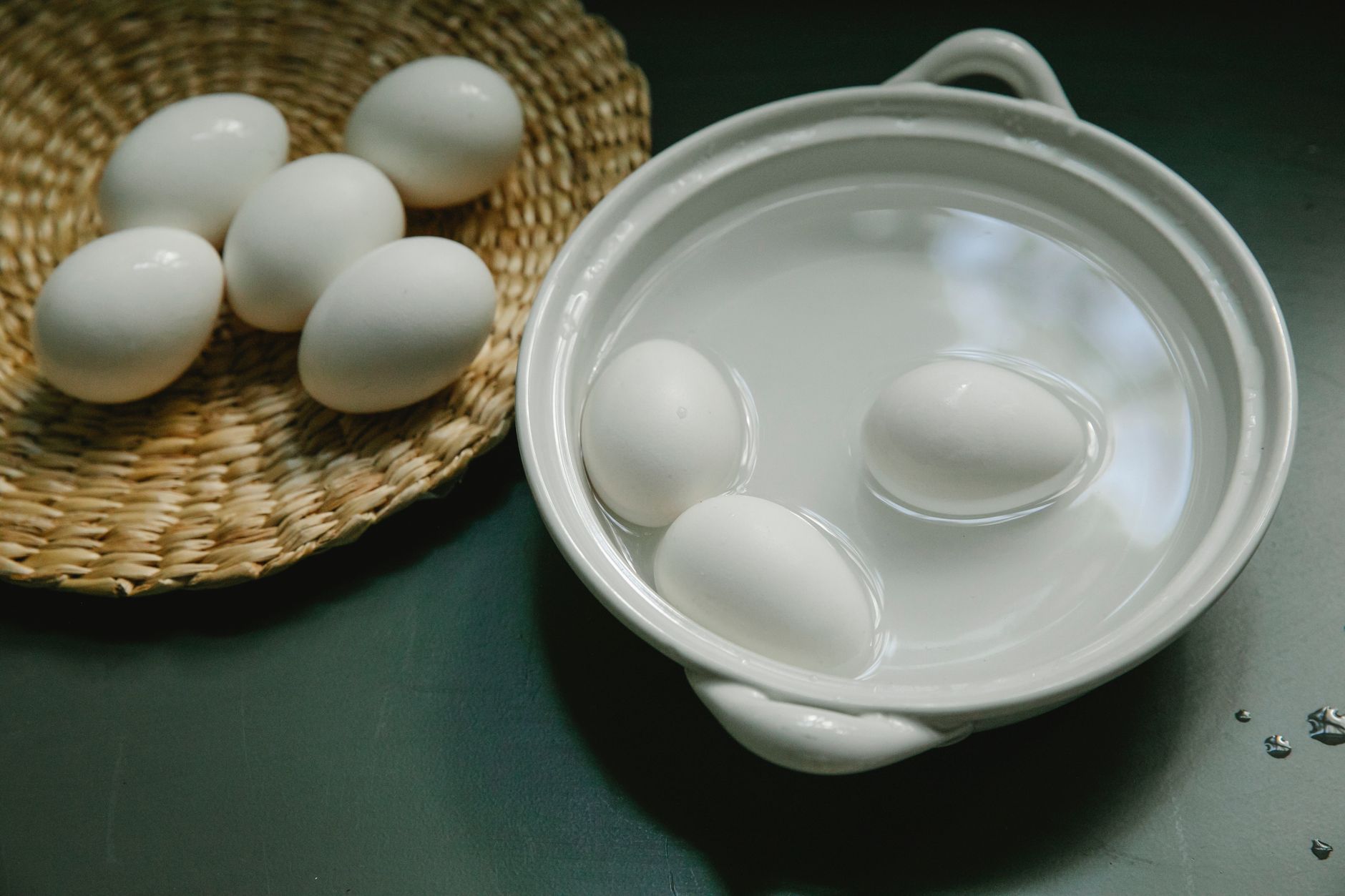
Understanding whether eggs sink or float when they are bad is essential for food safety. This simple test provides a quick and effective way to determine the freshness of eggs and helps avoid the risks associated with consuming spoiled products.
In this article, we’ll discuss the science behind the sink or float method, provide storage tips to extend the shelf life of eggs, and answer common questions regarding eggs and their freshness.
Do Eggs Sink or Float When Bad?
When eggs go bad, they tend to float in water. This occurs due to the increasing size of the air cell inside the egg as moisture and air enter through the porous shell over time. A floating egg is a clear indicator that it may be spoiled and should not be consumed.
However, a sinking egg does not guarantee its freshness; it may still be bad, so it’s wise to conduct further checks as well. Always pay attention to the appearance and smell of the egg after cracking it open.
The Science Behind Egg Freshness
The freshness of an egg is a result of the preservation of its structure and internal composition. Here’s what happens as eggs age:
- Air Cell Formation: Fresh eggs have a small air cell at the blunt end. As they age, moisture and air seep through the shell, increasing the size of this air cell.
- pH Levels: The pH of the egg white increases as it ages, leading to the decline of its ability to hold its shape. When broken, older eggs tend to spread more than fresh eggs.
- Membrane Integrity: The inner and outer membranes of the egg may weaken over time, allowing bacteria to penetrate the egg, which can lead to spoilage.
Proper Storage Tips for Eggs
To maximize the shelf life of eggs and to keep them fresh, follow these storage tips:
- Keep Eggs Refrigerated: Store eggs in their original carton in the refrigerator. This helps maintain a consistent temperature and protects eggs from absorbing strong odors from other foods.
- Check the Sell-By Date: Always check the sell-by or expiration date printed on the carton. While eggs can often last beyond this date, it’s a good initial indicator of freshness.
- Avoid Storing in the Door: The temperature in the refrigerator door fluctuates significantly, which can shorten shelf life. Store eggs on a middle shelf instead.
- Store Whole Eggs Properly: If storing cracked or cooked eggs, ensure they are in airtight containers to prevent contamination.
How to Conduct the Sink or Float Test
Conducting the sink or float test is straightforward and doesn’t require any special equipment. Here’s how you can do it:
- Fill a bowl or a glass with cold water. Make sure there is enough water to fully submerge the egg.
- Gently place the egg in the water.
- Observe whether the egg sinks or floats:
- Sinks and lays flat on the bottom: The egg is fresh.
- Sinks but stands upright: The egg is older but still may be usable; consider checking for signs of spoilage when cracked open.
- Floats: The egg is likely bad and should be discarded.
Other Signs of Spoiled Eggs
In addition to the sink or float test, there are other signs you should check to determine if an egg has gone bad:
- Smell: A spoiled egg will have a foul smell, even if it appears normal when cracked open.
- Appearance: Check for unusual discoloration or a pink, green, or iridescent hue in the egg whites or yolk, which may indicate spoilage.
- Texture: The egg white of a fresh egg should be thick and gel-like. If it appears runny or watery, it may be old.
- Float Test: As previously mentioned, floating indicates spoilage.
What to Do With Eggs That Are Close to Expiration
If you have eggs that are close to their expiration date but seem fine upon examination, here are some ways to use them:
- Hard Boil Them: Hard-boiled eggs are a great snack and can last about a week in the refrigerator.
- Make an Omelet or Frittata: These dishes allow you to use multiple eggs at once and can be packed with veggies for extra nutrition.
- Baking: Use eggs in baking recipes. Most baked goods require eggs, making this a great way to use up aging eggs.
Common Questions About Egg Freshness
How long do eggs last after the sell-by date?
Eggs can often remain safe to consume for 3 to 5 weeks past their sell-by date if they have been stored properly in the refrigerator. However, always conduct tests as outlined earlier to ensure they are still good to eat.
Should eggs be stored in the original carton?
Yes, eggs should be kept in their original carton. The carton protects them from absorbing odors and maintains moisture levels, which helps extend their shelf life.
Best Practices for Cooking with Eggs
Cooking eggs correctly is essential for food safety. Here are some best practices:
- Cook Thoroughly: Ensure that eggs are cooked until both the whites and yolks are firm, and avoid consuming raw or undercooked eggs, especially if they are past the consumption date.
- Use Pasteurized Eggs: For recipes that call for raw eggs—like certain dressings or desserts—use pasteurized eggs to reduce the risk of foodborne illness.
- Wash Hands and Surfaces: Always wash your hands and any surfaces or utensils that come in contact with raw eggs to prevent cross-contamination.
Using Expired Eggs: What You Should Know
While it can be tempting to use expired eggs if they seem fine, it’s crucial to exercise caution. If you ever have doubts about an egg’s freshness, it’s safer to discard it. Here are some recommendations if you consider using eggs that are near or slightly past their expiration date:
- Perform Multiple Tests: Conduct both the sink test and a smell test when cracking the egg open to assess its condition.
- Use in Cooking: If the egg looks and smells fine, use it in a cooked dish rather than consuming it raw.
- Skip If in Doubt: When in doubt, throw it out. Food safety should always come first.
Conclusion
Knowing whether eggs sink or float when they are bad is an important skill in the kitchen that can prevent food safety issues. Regularly check the condition of your eggs, store them properly, and utilize them efficiently to minimize waste.
By following the tips and techniques outlined in this article, you can confidently assess your eggs’ freshness, ensuring delicious and safe dishes for you and your loved ones.
Explore related recipes such as When Do Eggs Go Bad? and learn more about How Long Do Eggs Last After Sell-By Date? for further insights on egg storage and freshness.