
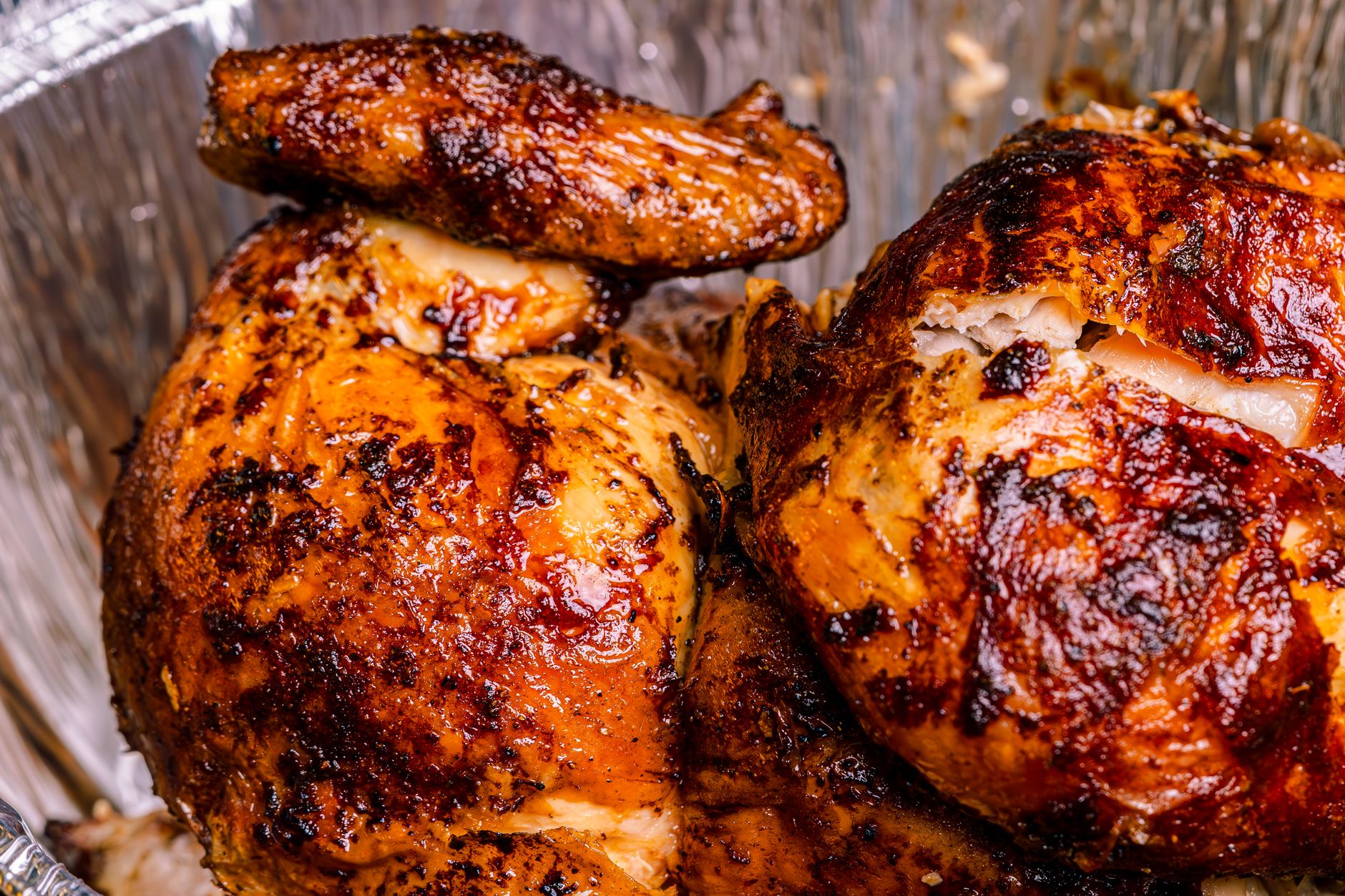
Costco rotisserie chicken is a popular choice for busy individuals and families seeking a delicious, convenient meal. Known for its juicy flavor and tender texture, this ready-to-eat chicken has become a staple in many households. But beyond its taste, many people are curious about its nutritional value, particularly its protein content.
This article will examine how much protein is in Costco rotisserie chicken per serving, including details on preparation, serving sizes, and how to incorporate this tasty ingredient into your meals. Armed with this information, you can make informed choices about your dietary needs.
How Much Protein in Costco Rotisserie Chicken?
Costco rotisserie chicken typically contains about 38 grams of protein per 3.5 ounces (100 grams) of cooked meat. The amount of protein may vary slightly based on the specific preparation and portion size. Considering that a whole rotisserie chicken weighs around 3 to 4 pounds, it’s easy to see how it can be a significant source of protein for multiple meals.
Understanding the Nutritional Profile of Rotisserie Chicken
In addition to protein, Costco rotisserie chicken offers a variety of nutrients. It is a great source of lean protein, which is essential for muscle repair, growth, and overall health. Beyond this, rotisserie chicken contains:
- Vitamins (such as niacin and B6)
- Minerals (like phosphorus and selenium)
- Healthy fats
- Minimal carbohydrates
Protein Breakdown
The actual protein content can vary depending on the chicken cut consumed:
- White meat (breast): Contains about 31 grams of protein per 100 grams.
- Dark meat (thigh): Contains about 28 grams of protein per 100 grams.
When you consider how rotisserie chicken is often eaten, the combination of white and dark meat can lead to a well-rounded protein intake in one meal.
Serving Sizes and Meal Planning
Understanding serving sizes is crucial when planning meals around Costco rotisserie chicken. A common serving size is about 3.5 ounces (100 grams), which provides around 38 grams of protein. Here are some practical insights for meal planning:
- Whole Chicken: A whole Costco rotisserie chicken typically weighs between 3 to 4 pounds, yielding approximately 8 to 10 servings depending on how much meat is consumed.
- Leftovers: Use leftover chicken in salads, sandwiches, soups, or casseroles for additional protein-rich meals throughout the week.
- Portion Control: Keep track of portion sizes to help manage caloric intake and ensure you meet your protein needs without overeating.
Incorporating Rotisserie Chicken into Your Meals
There are numerous ways to use Costco rotisserie chicken in your meals, making it easy to cover your protein needs. Here are some ideas:
- Salads: Chop or shred the chicken and add it to salads for a protein boost. Pair with leafy greens, vegetables, and a light dressing.
- Sandwiches and Wraps: Create a hearty sandwich or wrap with the chicken, cheese, lettuce, and your favorite sauces.
- Tacos and Burritos: Use shredded chicken as a filling for tacos or burritos, combining it with beans, rice, and salsa for a nutritious meal.
- Soups and Stews: Add rotisserie chicken pieces to soups for added flavor and protein. Consider creamy chicken and wild rice soup or a hearty chicken noodle soup.
- Casseroles: Incorporate the chicken into casseroles with vegetables, grains, and cheese for a comforting meal.
Practical Tips for Buying and Storing Rotisserie Chicken
When purchasing Costco rotisserie chicken, there are several factors to consider:
Buying Tips
- Check the freshness: Choose chickens that are freshly prepared and kept at the correct temperature. Look for ones with warm skin and no visible signs of spoilage.
- Flavor: Note that Costco’s rotisserie chicken is seasoned with a special blend that enhances its flavor without overpowering the meat itself.
- Buy in Bulk: If you have a large family or plan to use the chicken in multiple recipes, consider buying several chickens at once for better value.
Storage Guidelines
Proper storage of leftover rotisserie chicken is crucial to maintain its flavor and prevent spoilage:
- Refrigeration: Store leftover chicken in an airtight container in the fridge, where it can last for 3 to 4 days.
- Freezing: For longer storage, rotisserie chicken can be frozen. Wrap the chicken tightly in plastic wrap before placing it in a freezer-safe container. Properly frozen, it can last for up to 4 months.
- Thawing: When ready to use frozen chicken, it’s best to thaw it in the refrigerator overnight rather than at room temperature.
Reheating Rotisserie Chicken
When reheating your rotisserie chicken, it is essential to maintain its moisture and flavor. Here are some methods:
- Oven: Preheat the oven to 375°F (190°C). Place the chicken in an oven-safe dish, cover it with foil, and heat for about 20 to 25 minutes or until warmed through.
- Microwave: Place the chicken pieces on a microwave-safe plate and cover with a damp paper towel. Heat in 1-minute intervals, checking frequently until warmed throughout.
- Skillet: For shredded chicken, sauté it in a skillet with a little broth or water until heated through, ensuring it remains moist.
Common Questions About Costco Rotisserie Chicken
Can I eat the skin? Is it healthy?
The skin of a rotisserie chicken contains a higher fat content, but it is also where much of the flavor resides. If you’re watching your fat intake, you may choose to remove the skin, while others enjoy it as part of the overall taste experience.
Are there any preservatives in Costco rotisserie chicken?
Costco’s rotisserie chicken is seasoned and cooked with a proprietary blend that may contain some preservatives. However, it is typically less processed than other pre-packaged chicken products. It’s worth checking the label for specific ingredient details.
Potential Downsides of Rotisserie Chicken
While Costco rotisserie chicken is convenient and nutritious, it does come with some potential downsides:
- Sodium content: Pre-seasoned rotisserie chicken can be high in sodium, which may concern those monitoring their salt intake.
- Storage limitations: Leftover chicken should be consumed within a few days, and improper storage can lead to spoilage.
- Ingredient sourcing: Some consumers prefer free-range or organic chicken, which may not be reflected in Costco’s offerings.
Conclusion
Costco rotisserie chicken offers an excellent source of protein, providing around 38 grams per serving, along with impressive nutritional benefits. Its versatility makes it simple to incorporate into various meals, making meal prep a breeze for busy individuals. Making smart choices regarding sourcing, storage, and preparation can elevate your culinary experience while ensuring you enjoy this quick meal option.
Explore related recipes, cooking tips, or food guides to enhance your culinary journey, including how to freeze cooked chicken and learn how long cooked chicken lasts.