
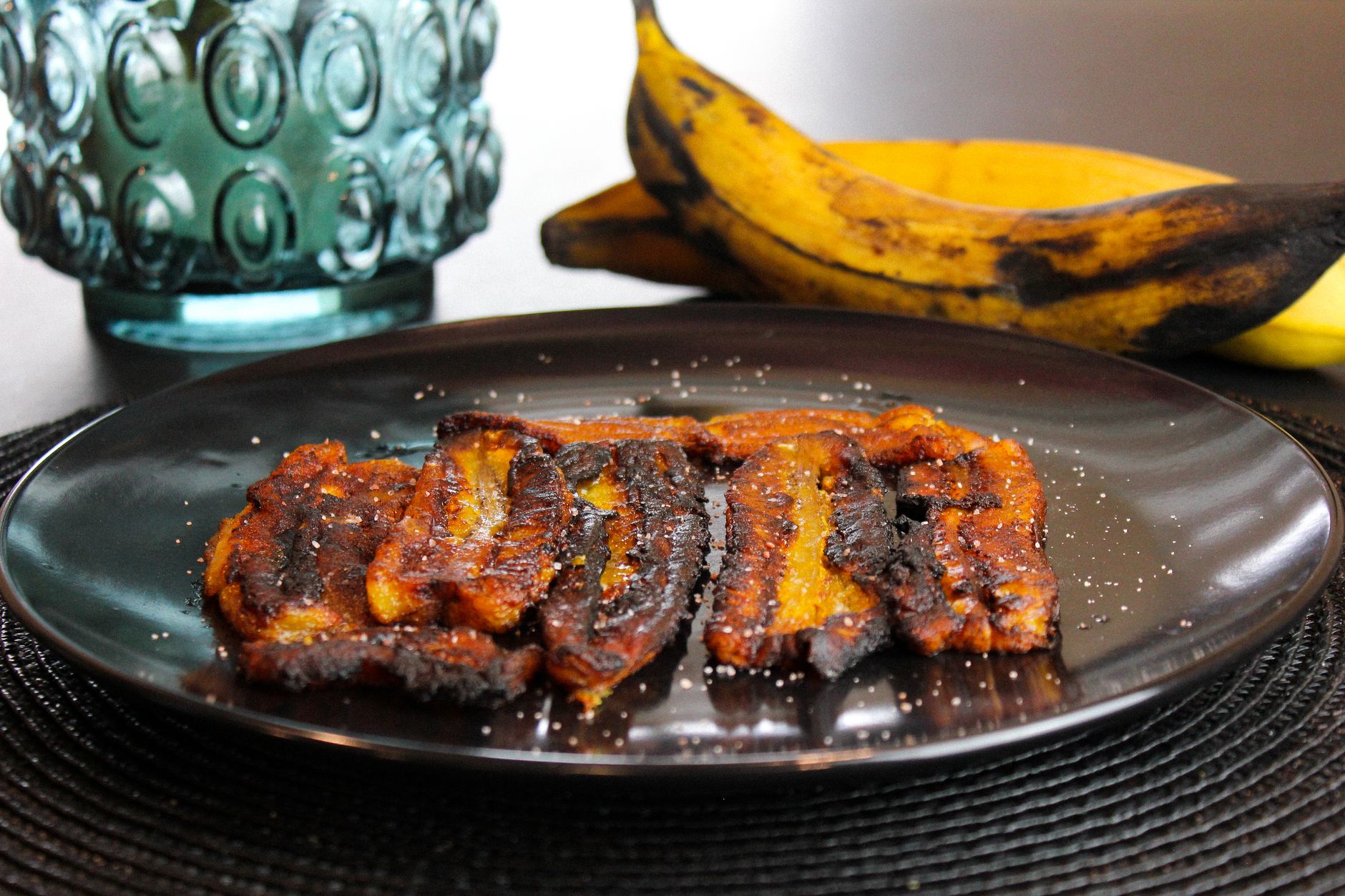
Plantains are a tropical fruit similar to bananas but require different handling and ripeness recognition. Understanding when plantains reach their peak will enhance your cooking experience and improve the flavor of your dishes. Knowing how to select, store, and prepare ripe plantains can lead to delicious meals and snacks.
This guide delves into when plantains are ripe, how to store them, and some creative ways to enjoy this delightful ingredient. Whether you’re a seasoned cook or a culinary novice, you’ll find valuable insights to elevate your plantain dishes.
When Are Plantains Ripe?
Plantains are ripe when their skin changes color from green to yellow, often with spots or patches of black. This transformation usually occurs over seven to fourteen days, depending on the storage temperature and humidity. Ripe plantains are sweet and soft, making them perfect for a variety of recipes.
Understanding Plantain Ripeness
Plantains progress through several stages of ripeness, and each stage offers different flavors and textures suitable for specific cooking methods.
Green Plantains
Green plantains are starchy and not sweet. They are best for savory dishes, such as tostones or plantain chips. When selecting green plantains, look for firm fruits without soft spots or blemishes.
Yellow Plantains
As plantains ripen and the skin turns yellow, their starch content converts to sugar, resulting in a sweeter flavor. Yellow plantains still retain some firmness and work well in dishes like fritters or baked plantains.
Black Plantains
Black plantains are fully ripe, soft, and sweet. They are ideal for desserts or savory dishes requiring a rich, sweet flavor. When choosing black plantains, ensure they are not overly mushy or rotten, checking for any unusual odors.
Seasonal Buying of Plantains
Plantains can be found year-round in many grocery stores, especially those specializing in Hispanic or Caribbean foods. However, buying seasonally can yield better quality and taste.
Best Months to Buy Plantains
While plantains are available all year, the best months to purchase them tend to be from late spring to early fall. During these months, you might find fresher stocks. Additionally, buying during the local harvesting season, if applicable, ensures greater freshness.
How to Properly Store Plantains
Proper storage helps maintain the quality and longevity of plantains, preventing them from overripening or spoiling too quickly.
Storing Unripe Plantains
- Keep unripe plantains at room temperature away from direct sunlight.
- A paper bag can help speed up ripening by trapping ethylene gas.
- Check daily for signs of ripening.
Storing Ripe Plantains
- Once plantains are ripe, store them in the refrigerator to slow down the ripening process.
- The skin may darken in the fridge but the flesh inside remains good for consumption.
- Using ripe plantains within a few days is recommended for optimal flavor.
Freezing Plantains
If you can’t use your plantains in time, freezing is a great option. Here’s how to do it:
- Peel the plantains and slice them into desired shapes.
- Spread the slices in a single layer on a baking sheet and freeze until solid.
- Transfer the frozen slices to a freezer-safe bag or container, removing as much air as possible.
- Label with the date and use within three months for the best quality.
Cooking with Ripe Plantains
Ripe plantains lend themselves to a variety of culinary uses, from savory side dishes to sweet desserts. Understanding how to cook with them can open a new world of flavor in your meals.
Popular Cooking Methods
- Frying: Fry ripe plantains for a crispy exterior while maintaining a soft inside, making them perfect for tostones or sweet fried plantains.
- Baking: Bake plantains for a healthier alternative, which caramelizes their sugars and enhances sweetness.
- Boiling: Boil green plantains for a more straightforward starchy base to accompany main dishes.
- Grilling: Grill ripe plantains to achieve flavorful char marks, great for summer barbecues.
Recipe Ideas Using Ripe Plantains
Here are three diverse ways to prepare and enjoy ripe plantains:
Sautéed Sweet Plantains
Sautéing ripe plantains brings out their natural sweetness. This dish pairs well with savory meals.
- 2 ripe (black) plantains
- 2 tablespoons of butter or oil
- Pinch of salt
- Peel the plantains and slice them diagonally into 1-inch pieces.
- In a skillet, heat butter or oil over medium heat.
- Add the plantain slices and cook until golden brown, about 3-4 minutes per side.
- Sprinkle with salt and serve warm.
Baked Plantain Chips
Crunchy, healthy, and easy to make, plantain chips serve as a great snack or appetizer.
- 2 ripe (yellow) plantains
- 2 tablespoons of olive oil
- Salt to taste
- Preheat the oven to 350°F (175°C).
- Slice the plantains thinly and place them in a bowl.
- Toss with olive oil and salt until evenly coated.
- Arrange the slices in a single layer on a baking sheet.
- Bake for 15-20 minutes, turning occasionally until crispy.
Plantain Pancakes
These soft pancakes are a delightful breakfast option, incorporating ripe plantains into a familiar favorite.
- 1 ripe (black) plantain
- 1/2 cup of flour
- 1/2 cup of milk or plant-based milk
- 1 egg
- Pinch of salt
- In a bowl, mash the plantain until smooth.
- Add flour, milk, egg, and salt, mixing until a batter forms.
- Heat a non-stick skillet over medium heat and pour in batter to form pancakes.
- Cook until bubbles form and edges appear golden, about 2-3 minutes per side.
Common Mistakes When Cooking with Plantains
Understanding the common pitfalls can help ensure your plantain dishes turn out perfectly.
Overcooking
Fried plantains can easily overcook and turn mushy if left too long in the oil. Monitor them closely for visual cues of golden brown coloring.
Underripe Plantains
Using green plantains when a recipe calls for ripe ones will lead to a significantly different flavor and texture. Ensure you select the correct ripeness for your desired dish.
Inadequate Cooking Temperature
Cooking plantains over low heat may prevent them from developing a crispy exterior. Use medium to high heat for frying to achieve the desired texture.
Storage and Reheating of Cooked Plantains
Knowing how to store and reheat cooked plantains can help in reducing waste and maintaining flavors.
Storing Cooked Plantains
- Store leftover cooked plantains in an airtight container in the refrigerator for up to three days.
- You can freeze fully cooked plantains, though the texture might change upon thawing.
Reheating Methods
- Reheat sautéed or fried plantains in a skillet over low heat, adding a bit of oil or butter to restore moisture.
- Baked plantains can be reheated in the oven at 350°F (175°C) for about 10 minutes.
- Microwaving cooked plantains is possible, but take care not to overheat, which may lead to a gooey texture.
Conclusion
Understanding when plantains are ripe and how to properly store and prepare them can significantly enhance your culinary experience. Ripe plantains are versatile ingredients that can contribute sweet or savory notes to your meals.
For more ideas, consider diving into a delicious plantain recipe or explore what a ripe mango looks like for your next fruit dish.