
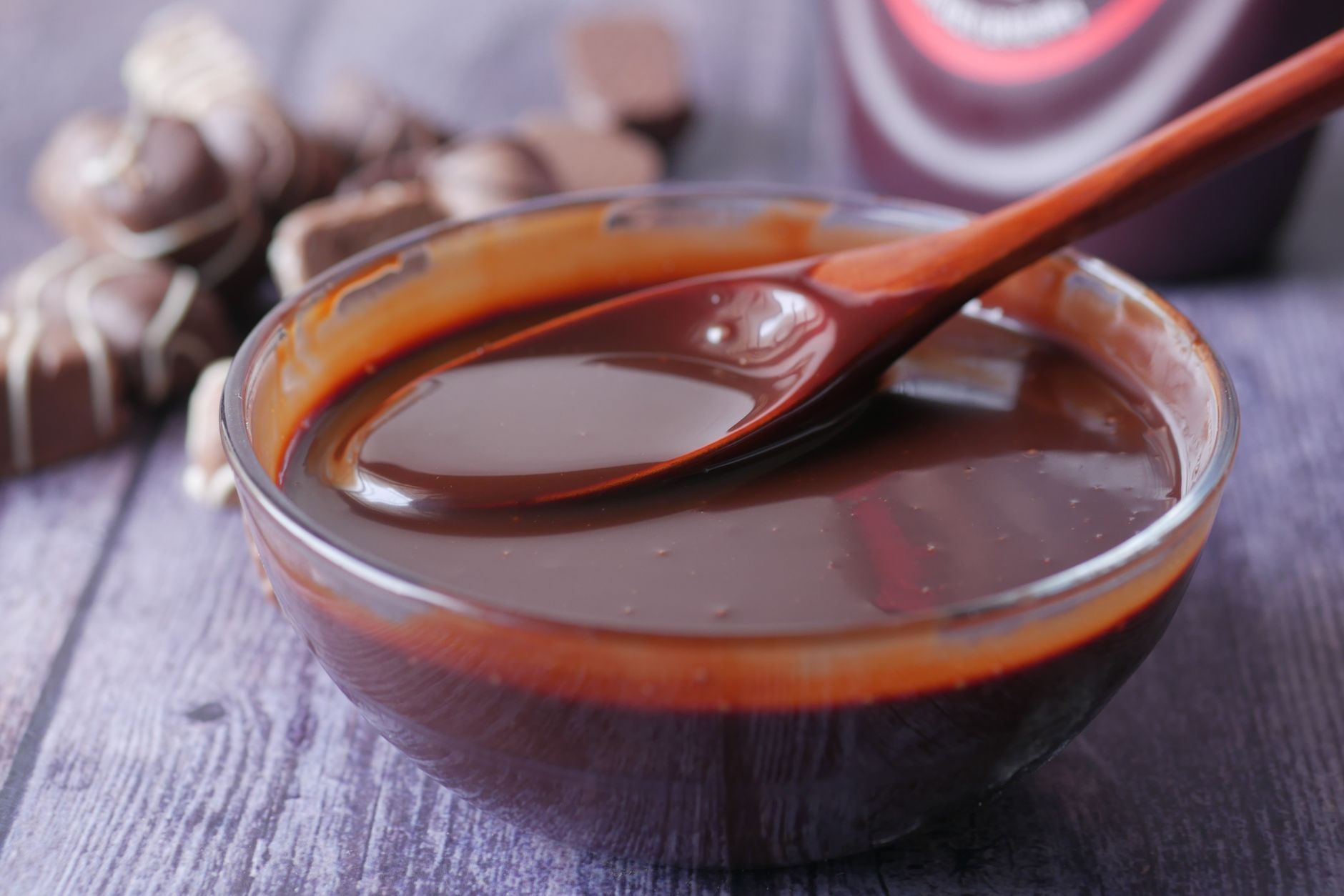
Demi glace is a classic French sauce known for its rich, deep flavor and luxurious texture. It serves as a base for many sauces and adds depth to a variety of dishes. Understanding demi glace—including its ingredients, taste profile, and culinary applications—can elevate your cooking and enhance your meals.
This article delves into what demi glace is, how it’s made, its uses in cooking, and tips for achieving the perfect sauce.
What Is a Demi Glace?
A demi glace is a rich sauce made from equal parts of veal stock and a brown sauce, typically sauce espagnole, that has been reduced by half. The term “demi” means “half” in French, referring to the reduction process. The resulting sauce is thick and has a glossy appearance, offering a complex, savory flavor that enhances numerous savory dishes.
Ingredients of Demi Glace
The essential ingredients to create a traditional demi glace include:
- Veal Stock: This is the primary component of demi glace, prepared by simmering veal bones, mirepoix (a mixture of onions, carrots, and celery), and aromatics like bay leaves and thyme for several hours.
- Sauce Espagnole: Also known as brown sauce, this sauce is made from a brown roux, broth, tomatoes, and mirepoix. It enhances the demi glace’s flavor and thickness.
- Aromatics: Common herbs and spices such as thyme, bay leaves, and peppercorns are often added to enrich the flavor profile during the simmering process.
- Water: Used to dilute the stock and aid in the reduction process.
Flavor Profile
The taste of demi glace is robust and concentrated, embodying umami flavors that come from the gelatin released during the simmering of bones. The sweetness from caramelized mirepoix, combined with tartness from tomatoes and a faint bitterness from the brown roux, creates a harmonious balance. When properly made, demi glace has a slightly velvety consistency, making it an excellent sauce for meats, vegetables, and grains.
Culinary Uses of Demi Glace
Demi glace serves as a foundational element in classical French cuisine and beyond. Its culinary applications are extensive:
- Base for Sauces: Many classic sauces, like bordelaise, madeira, or chasseur, start with demi glace as a primary ingredient, providing depth and body.
- Garnishing Meat Dishes: It is often drizzled over roasted or grilled meats such as beef, lamb, and poultry, enhancing the dish’s richness and flavor.
- Flavoring Soups: Adding demi glace to soups or stews can elevate the flavor profile, giving them complexity and depth.
- In Glazes: It can be used to create glazes for meats, adding a glossy finish and rich taste.
- Vegetarian and Vegan Dishes: A vegetarian version can be made by substituting vegetable stock and adapting the recipe, allowing for a gluten-free demi glace option.
How to Make Demi Glace
Creating demi glace from scratch requires time and attention but can be very rewarding. Below is a step-by-step guide on how to make traditional demi glace:
Ingredients Needed
- 4 cups veal stock
- 2 cups sauce espagnole
- 1 cup water (if needed for consistency)
- Aromatics: 1 bay leaf, 2-3 sprigs of fresh thyme, 6-8 whole peppercorns
Essential Equipment
- Large stockpot
- Fine mesh strainer
- Wooden spoon or spatula
- Measuring cups
- Storage container or jar for the finished demi glace
Step-by-Step Method
- Prepare the Stock: If you are starting with veal bones, roast them at 400°F (200°C) until browned, about 30-45 minutes. Then, simmer the bones with mirepoix and aromatics in a large stockpot filled with water for 8-12 hours. Skim the surface to remove impurities and fats as necessary. Strain the stock and cool it before using.
- Make the Sauce Espagnole: In a separate saucepan, create a brown roux by cooking equal parts flour and butter (about 1/4 cup each) over medium heat until it reaches a deep brown color. Gradually whisk in cold brown stock and cook until thickened. Stir in canned tomatoes or tomato paste and allow it to simmer for an additional 30 minutes.
- Combine the Stocks: In a large stockpot, mix the prepared veal stock with the sauce espanol. Add the optional water if the mixture looks too thick.
- Simmer and Reduce: Bring the mixture to a simmer over low heat and allow it to reduce by half. This can take several hours, so be patient. Stir occasionally to prevent sticking.
- Strain and Cool: Once reduced, strain the demi glace through a fine mesh sieve to remove solid particles. Allow it to cool completely before transferring to a storage container.
Common Mistakes and Troubleshooting
Making demi glace can be a rewarding but challenging process. Here are common pitfalls and how to avoid them:
- Not Reducing Properly: Ensure the mixture simmers gently; boiling can lead to cloudiness. Reduce heat if necessary and keep an eye on the liquid level.
- Burnt Roux: When making the sauce espagnole, stirring continuously is crucial. If it burns, start over; a burnt roux will negatively affect the flavor.
- Over or Under Seasoning: If the end product tastes bland, it may require more seasoning, but be cautious—too much salt can ruin the flavor.
Make-Ahead and Storage Guidance
Demi glace can be made ahead of time and stored to use in future meals. Here’s what you need to know:
- Cooling: After cooking, let the demi glace cool completely at room temperature before refrigerating or freezing.
- Refrigeration: Store in an airtight container in the refrigerator for up to one week.
- Freezing: For longer storage, freeze demi glace in ice cube trays or in small portions to use as needed. Once frozen, transfer to a resealable freezer bag for up to 3 months.
Substitutions for Demi Glace
If you’re unable to make a traditional demi glace, consider the following substitutions:
- Store-Bought Demi Glace: Several brands offer ready-made demi glace, which can be purchased in jars or pouches.
- Concentrated Beef or Veal Stock: A reduced concentrated stock can serve as a quick substitute, mixed with seasonings to mimic the flavor profile.
- Vegetable Demi Glace: For a vegetarian option, replace veal stock with a robust vegetable stock, and adjust seasonings accordingly for depth.
Variations of Demi Glace
Besides the classic preparation, several variations exist depending on the dish or dietary preferences:
- Mushroom Demi Glace: Incorporate sautéed mushrooms to the mixture for a rich, earthy flavor, perfect for vegetarian sauces.
- Red Wine Demi Glace: Add red wine early in the reduction process for a deep, complex flavor ideal for beef dishes.
- Herb-Infused Demi Glace: Different herbs such as rosemary or sage can be infused into the stock for added aromatic flavor.
Serving Suggestions
Demi glace pairs beautifully with various dishes. Consider these ideas:
- Serve with Steak: Drizzle over a perfectly cooked steak for a more elegant presentation and flavor boost.
- Enhance Roasted Vegetables: Use demi glace to elevate simple roasted vegetables, lending them additional depth.
- Pasta Dishes: Toss it with pasta for a creamy, rich sauce, adding protein or vegetables to round out the meal.
Conclusion
Demi glace is a sophisticated ingredient that can transform everyday dishes into something special. Whether you make it from scratch or use stored variations, understanding its flavor and application is vital to enhancing your culinary repertoire. As you experiment with this classic sauce, you’ll find that it not only enhances your cooking but also offers endless creative possibilities.
For further inspiration, explore our recipes for marsala sauce and our homemade chicken stock that can complement your demi glace creations.