
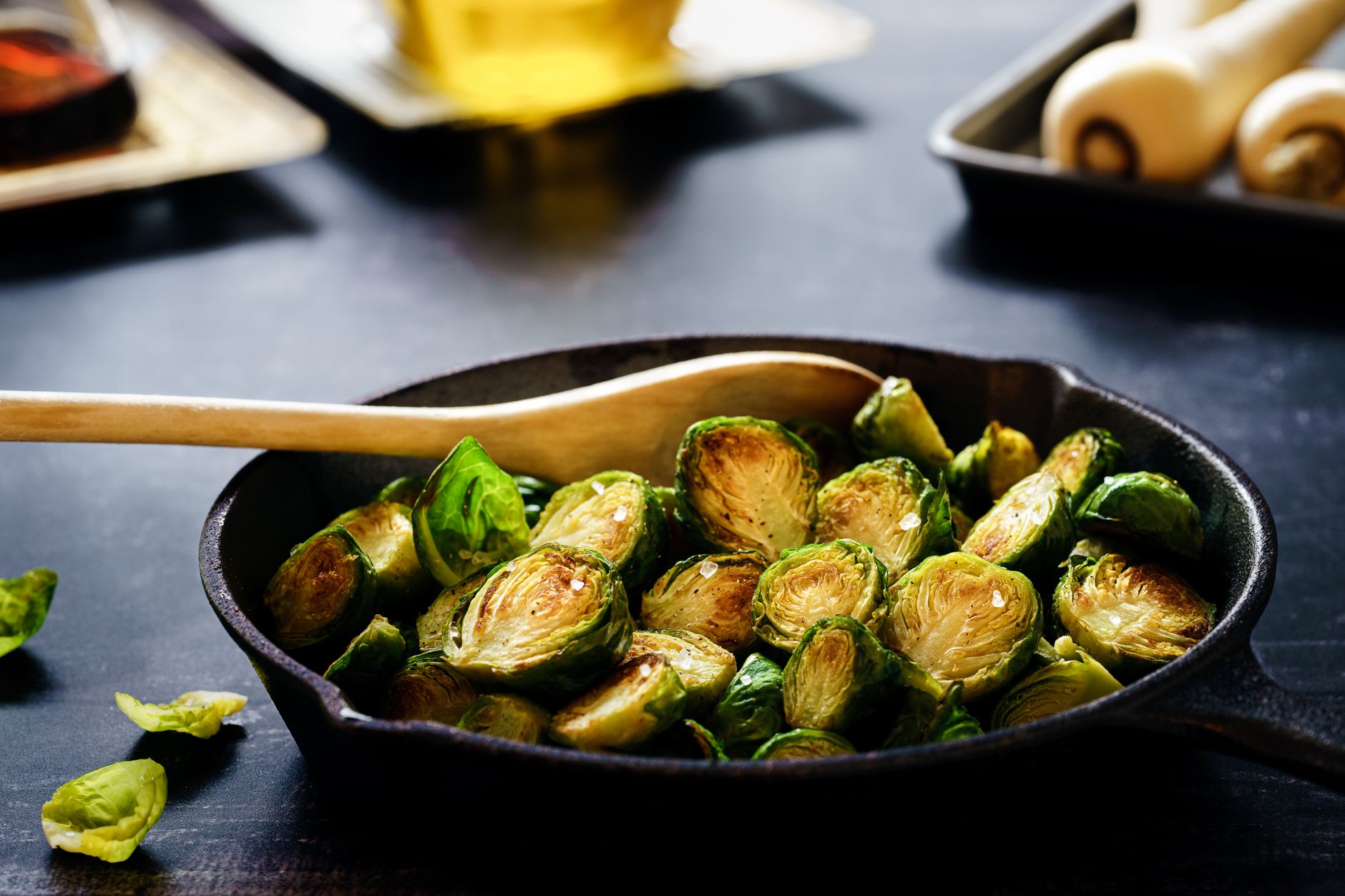
Brussels sprouts are often underestimated vegetables that are packed with nutrition and flavor. Known for their unique taste and minor bitterness, these small, green buds are versatile and provide numerous health benefits. Understanding what Brussels sprouts are good for can elevate your meals while contributing to a balanced diet.
In this guide, we will explore the nutritional profile of Brussels sprouts, their health benefits, recommended portions, cooking methods, and popular recipes. Whether you’re looking to add more vegetables to your diet or simply curious about Brussels sprouts, you’ll find essential information to enhance your culinary adventures.
What Is Brussels Sprouts Good For?
Brussels sprouts are rich in vitamins, minerals, and antioxidants that contribute to overall health. They are especially beneficial for promoting gut health, supporting immune function, and reducing inflammation. Their nutrient density makes them a valuable addition to a well-rounded diet.
Nutritional Profile of Brussels Sprouts
Brussels sprouts belong to the cruciferous vegetable family, which includes broccoli and cabbage. Here’s a breakdown of what makes them nutritionally significant:
- Vitamins: They are an excellent source of vitamin K, vitamin C, and several B vitamins, including folate.
- Minerals: Brussels sprouts provide essential minerals such as manganese, potassium, and iron.
- Fiber: They are high in dietary fiber, promoting digestive health and helping regulate blood sugar levels.
- Antioxidants: The presence of glucosinolates and other antioxidants may reduce the risk of chronic diseases.
- Low Calorie: They are low in calories, making them a great option for those looking to maintain a healthy weight.
Health Benefits of Brussels Sprouts
The consumption of Brussels sprouts can lead to various health benefits:
1. Supports Digestive Health
The fiber in Brussels sprouts helps promote regular bowel movements and supports a healthy gut microbiota. A diet high in fiber has been associated with a lower risk of gastrointestinal disorders.
2. Boosts Immune Function
Brussels sprouts are rich in vitamin C, an important nutrient known to enhance immune function and help the body fight infections. Regular consumption can strengthen your body’s defenses.
3. Reduces Inflammation
The antioxidants found in Brussels sprouts may help reduce inflammation in the body. This is significant in decreasing the risk of inflammatory chronic diseases, including heart disease and cancer.
4. Aids in Bone Health
With high levels of vitamin K, Brussels sprouts contribute to bone strength by aiding in calcium absorption and supporting healthy bone metabolism.
5. May Promote Heart Health
The fiber, antioxidants, and anti-inflammatory compounds in Brussels sprouts may also play a role in cardiovascular health. They can help maintain healthy blood pressure and reduce cholesterol levels.
Recommended Portions
Knowing how much Brussels sprouts to consume is essential for maximizing their health benefits without overdoing it. Generally, the recommended serving size is:
- About 1 cup of cooked Brussels sprouts (approximately 156 grams) per serving.
This portion provides a generous amount of nutrients while being mindful of calorie intake. Including Brussels sprouts in meals two to three times a week can help you reap the most benefits.
Cooking Techniques for Brussels Sprouts
Brussels sprouts can be prepared in various ways, enhancing their flavor and texture.
1. Roasting
Roasting Brussels sprouts brings out their natural sweetness and creates a crispy texture:
- Preheat your oven to 400°F (200°C).
- Trim the ends of the Brussels sprouts and cut them in half.
- Toss with olive oil, salt, and pepper.
- Spread on a baking sheet and roast for 20-25 minutes until golden brown.
2. Steaming
Steaming preserves more nutrients compared to boiling and results in a tender texture:
- Fill a pot with an inch of water and place a steamer basket over it.
- Add halved Brussels sprouts to the basket.
- Cover and steam for 6-8 minutes until tender.
3. Sautéing
Sautéing Brussels sprouts is quick and allows for flavor variations by adding spices or other ingredients:
- Heat olive oil or butter in a skillet over medium heat.
- Add sliced Brussels sprouts and cook for about 5-7 minutes until they are browned and tender.
4. Shredding and Quick Cooking
Shredded Brussels sprouts can be used in salads or quick stir-fries:
- Use a mandoline or knife to shred the Brussels sprouts finely.
- Sauté with garlic and olive oil for 3-5 minutes for a fresh side dish.
Popular Recipes Featuring Brussels Sprouts
Here are a few recipes to incorporate Brussels sprouts into your meals:
1. Shaved Brussels Sprouts Salad
A refreshing salad combining shredded Brussels sprouts, nuts, and a light vinaigrette:
- 2 cups Brussels sprouts, thinly sliced
- 1/2 cup toasted walnuts or pecans
- 1/4 cup dried cranberries
- 1/4 cup parmesan cheese, shaved
- For the dressing: 3 tablespoons olive oil, 1 tablespoon balsamic vinegar, salt, and pepper
2. Maple-Balsamic Roasted Brussels Sprouts
The perfect balance of sweet and savory:
- 1 pound Brussels sprouts, halved
- 2 tablespoons olive oil
- 2 tablespoons balsamic vinegar
- 1 tablespoon maple syrup
- Salt and pepper to taste
3. Creamy Brussels Sprouts Casserole
A comforting side dish with rich flavors:
- 1 pound Brussels sprouts, trimmed
- 1 cup heavy cream
- 1 cup shredded cheese (cheddar or Gruyère)
- 1/2 cup breadcrumbs
- Salt and pepper to taste
Practical Tips for Cooking and Storage
To maximize your Brussels sprouts experience, consider the following tips:
- Choosing Brussels Sprouts: Look for bright green, firm sprouts with tightly packed leaves. Avoid yellow or wilting ones.
- Preparation: Always trim the base and remove any discolored outer leaves before cooking.
- Batch Cooking: Prepare a larger batch to use throughout the week in various dishes, like stir-fries or salads.
- Storage: Store unwashed Brussels sprouts in the refrigerator in a loose plastic bag to retain moisture.
- Freezing: If you want to store them long-term, blanch Brussels sprouts before freezing to preserve flavor and nutrients.
Common Mistakes and Troubleshooting
Even experienced cooks can encounter issues when preparing Brussels sprouts. Here are some common pitfalls and how to avoid them:
- Overcooking: Brussels sprouts can become bitter when overcooked. Aim for tenderness while retaining a bit of crunch.
- Not enough seasoning: Don’t be shy with salt and other spices—Brussels sprouts benefit greatly from bold flavors to balance their natural bitterness.
- Cooking them whole: Cut them in halves or quarters for even cooking and flavor absorption.
Conclusion
Brussels sprouts are an incredibly nutritious and versatile vegetable that can enhance your meals while promoting overall health. Understanding their benefits and how to properly prepare them can elevate any dish. Start experimenting with different cooking methods and recipes to discover the delightful flavors Brussels sprouts can offer.
For more ideas, check out our shaved Brussels sprouts recipe or learn how to make sautéed cabbage for a nutritious side dish.