
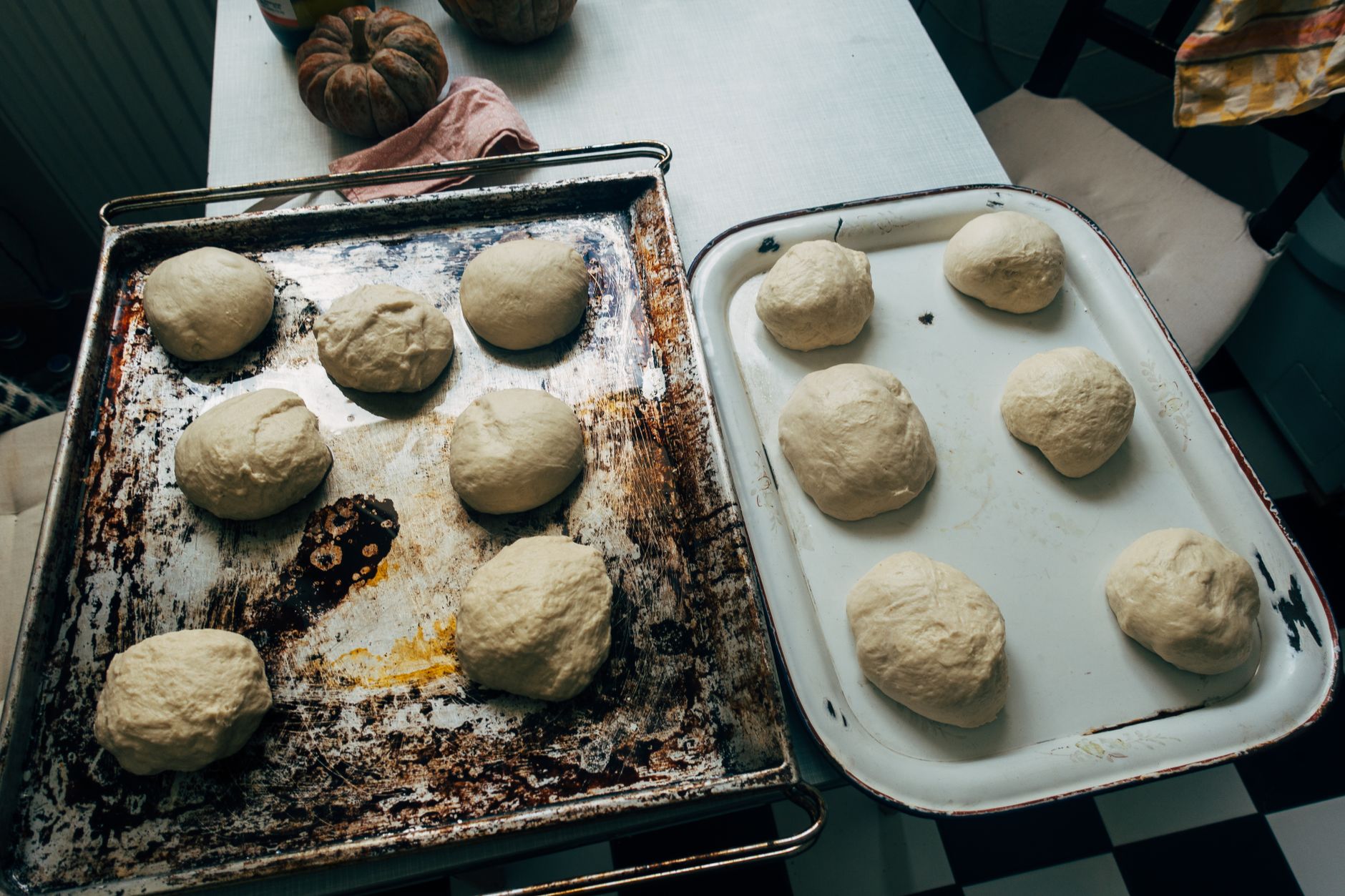
Dough rising is a critical step in the baking process that affects the final outcome of breads, pastries, and other baked goods. Understanding how long to let your dough rise can make a significant difference in texture and flavor. This article explores the question: Can dough rise too long? We will delve into the science behind dough rising, its implications for baking, and some practical tips for getting it right.
In the realm of baking, dough rising, or proofing, refers to the time dough is allowed to rest and ferment after yeast has been added. The process activates the yeast, producing carbon dioxide that causes the dough to expand. While some may think longer rising equals better results, over-proofing can lead to undesirable outcomes such as a collapse in structure or a bland flavor profile. This guide will help you navigate rising times effectively.
Can Dough Rise Too Long?
Yes, dough can indeed rise too long, a condition known as over-proofing. When yeast ferments for too long, it exhausts its food supply and the dough loses its strength. This can lead to a dense texture and a less desirable flavor. Proper timing is essential to ensure optimal gluten structure and flavorful fermentation.
The Science of Dough Rising
To appreciate the importance of rise times, it’s essential to understand the science behind dough rising. When yeast is mixed with flour and water, it begins to feed on sugars present in the dough. This process produces carbon dioxide gas and alcohol, resulting in the dough expanding.
Stages of Fermentation
The process of fermentation can be divided into two main stages: primary fermentation and secondary fermentation.
- Primary Fermentation: This occurs immediately after kneading when the dough is left to rest. The dough doubles in size, indicating that yeast activity is at its peak.
- Secondary Fermentation: After the dough is shaped, it undergoes a second rise before baking. This step enhances flavor and improves texture.
The Role of Temperature
The temperature at which dough rises plays a crucial role in fermentation speed. Yeast is most active between 75°F and 80°F (24°C – 27°C). Higher temperatures can accelerate the process, while lower temperatures can slow it down.
When dough rises too long in warm conditions, the yeast can become overactive, consuming most of the available sugars, leading to potential collapse during baking. Conversely, if it rises too slowly, you may not achieve the desired volume.
Avoiding Over-Proofing
To ensure your dough rises just the right amount, here are some practical tips to avoid over-proofing:
1. Timing is Key
Generally, dough should rise until it has doubled in size. Depending on the recipe, this can take anywhere from one to three hours. Always monitor the dough visually as well as timing it. A good rule of thumb is to use the “poke test”—gently poke the dough with a floured finger. If the indention remains, the dough is ready. If it springs back, it needs more time.
2. Control Temperature
To slow down yeast activity, consider placing your dough in a cooler environment if you cannot monitor it closely. An ideal method is to refrigerate the dough, which can also enhance flavor as the dough undergoes a slow fermentation process.
3. Use a Timer
Set a timer for the rising times mentioned in your recipes, but always check the dough with the poke test. This ensures you stay engaged with the rising process rather than relying solely on time.
4. Learn from Experience
Every dough behaves differently based on ingredients and environmental conditions. Keep notes on your previous attempts to learn how various factors affect rising time. With practice, you’ll achieve better consistency.
Recognizing Over-Proofed Dough
If you suspect your dough has risen too long, look for the following signs:
- Texture: Over-proofed dough may feel overly soft and sticky, losing its elasticity.
- Flavor: The sweetness may diminish due to the yeast eating up sugars, leading to a bland taste.
- Appearance: If your dough appears saggy with flattened areas rather than pillowy, it may be over-proofed.
Using Over-Proofed Dough
While over-proofed dough may not yield optimal results, it can still be used in creative ways:
1. Reshape and Re-Rise
If caught early enough, you can gently punch down the dough, reshape it, and give it another short rise. This may help restore some of its structure. However, it might still lack the flavor and texture ideal for certain recipes.
2. Create Artisan Bread
Over-proofed dough can be utilized to make artisan-style bread. Baking it under higher heat with steam can produce a crusty exterior while the inside remains tender. Just be patient, as it may not rise as much as you initially wanted.
3. Use in Other Recipes
Consider integrating over-proofed dough into other recipes, such as savory pastries, flatbreads, or pizza where a denser texture is acceptable.
Common Mistakes and Troubleshooting
When it comes to rising dough, some common mistakes arise. Here are methods to troubleshoot them:
1. Insufficient Punching Down
After the primary rise, adequately punching the dough down redistributes the yeast and allows for a more controlled second rise. Skipping this step can lead to an uneven texture.
2. Poor Kneading
Under-kneaded dough may not develop adequate gluten structure, potentially leading to flat bread. Ensure a sufficient kneading time, allowing for a smooth elastic dough.
3. Ignoring Environmental Factors
Humidity and temperature impact dough rising. During hot, humid weather, dough may rise more quickly than expected. Conversely, cold kitchens may require adjustments to rising times. Adapt your techniques based on your unique kitchen environment.
Best Practices for Future Dough Rising
To maximize your success with dough rising, consider the following best practices:
- Use Fresh Yeast: Always check the expiration dates on active dry or instant yeast to ensure strong fermentation.
- Feed Your Yeast: In recipes requiring sugar, removing or minimizing sugar can affect yeast activity. Monitor the flour-to-water ratio for successful hydration.
- Preheat the Oven: Preheat your oven a bit before placing your dough inside to maintain an even cooking temperature. This can help counteract any risk of over-proofing.
Importance of Flour Type
The type of flour used also greatly influences how dough rises. Different flours contain varying levels of gluten, protein, and moisture.
1. All-Purpose Flour
All-purpose flour is versatile and suitable for general bread-making purposes. It typically has a moderate protein content that allows for decent rising and texture.
2. Bread Flour
With a higher protein content, bread flour provides more gluten strength and elasticity, yielding better results for rising bread and achieving a chewy texture.
3. Whole Wheat Flour
Whole wheat flour requires additional water as it absorbs more moisture. Additionally, it may lead to denser bread since it has less gluten-forming capacity compared to white flours.
Serving Ideas for Bread and Pastries
1. Classic Sandwiches
Use your freshly baked bread for sandwiches. Pair it with meats, cheeses, and vegetables for a satisfying lunch.
2. Breakfast Toasts
Opt for whole grain bread to create perfect avocado or nut butter toasts, topped with fruits or seeds to elevate breakfast.
3. Dips and Spreads
Cheesy garlic bread or herbed flatbreads work beautifully as accompaniments for dips and spreads during gatherings.
Storage and Reheating of Dough
If you plan to store your dough, ensure it is adequately sealed in an airtight container to prevent drying out. For long-term storage, place it in the freezer. When ready to use, let it thaw in the refrigerator overnight. This method can actually improve flavor due to extended fermentation.
For already baked bread, allow it to cool completely before wrapping tightly in plastic. This helps retain moisture. Reheat bread in a conventional oven for a few minutes to revive its crustiness.
Conclusion
Understanding the nuances of dough rising is essential for successful baking. Monitoring rise time, being aware of environmental factors, and having a grasp of yeast activity are crucial for achieving your desired results. While dough can rise too long, knowing how to rescue over-proofed dough can save your baking efforts.
To enhance your baking skills, explore our recipes for sourdough baguette and Sicilian pizza dough. These guides may open new avenues for your perfect dough creations!