
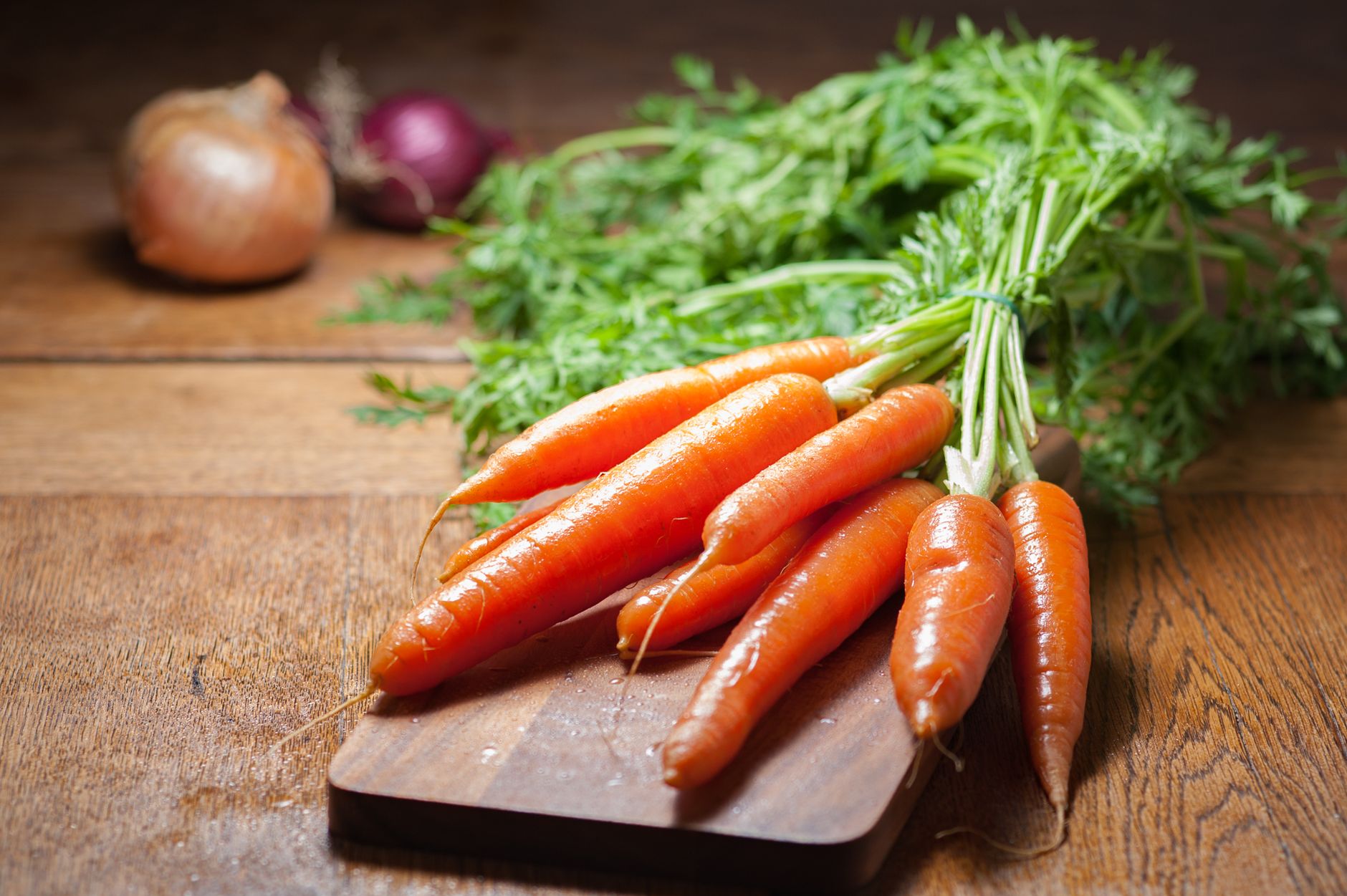
Carrots, often celebrated for their vibrant orange hue, are not just a visually appealing vegetable; they also pack a nutritional punch. Commonly consumed raw in salads, cooked in dishes, or juiced, carrots are versatile and beneficial for your health. Understanding the benefits of eating carrots can enhance your diet and inspire you to incorporate them in various meals.
This article delves into the health benefits of carrots, their nutritional content, culinary uses, and practical cooking tips to help you make the most out of this root vegetable.
What Are the Benefits of Eating Carrots?
Eating carrots offers numerous health benefits including improved vision, enhanced immune function, and better skin health. Rich in vitamins, minerals, and antioxidants, carrots can contribute to overall well-being and aid in disease prevention.
Nutritional Facts of Carrots
Carrots are low in calories while being rich in essential nutrients. Here’s a breakdown of the nutritional content of one medium-sized carrot (approximately 61 grams):
- Calories: 25
- Carbohydrates: 6 grams
- Fiber: 1.5 grams
- Sugar: 3 grams
- Protein: 0.6 grams
- Fat: 0.1 grams
- Vitamin A: 184% of the Daily Value (DV)
- Vitamin K: 10% of the DV
- Vitamin C: 7% of the DV
- Potassium: 7% of the DV
Health Benefits of Carrots
1. Promotes Eye Health
Carrots are famous for their high beta-carotene content, which the body converts to vitamin A. This vitamin is essential for maintaining good vision. Regular consumption can help reduce the risk of night blindness and age-related vision issues.
2. Supports Immune Function
The vitamins and antioxidants found in carrots, particularly vitamins C and A, play a crucial role in boosting the immune system. These nutrients help combat infections and promote overall health.
3. Aids in Digestive Health
Carrots are a good source of fiber, which aids in digestion and promotes a healthy gut. Fiber helps regulate bowel movements and can prevent constipation, setting the stage for better nutrient absorption.
4. Enhances Skin Health
Antioxidants such as beta-carotene can improve skin health by protecting the skin from damage caused by free radicals. Regularly eating carrots may lead to a healthier complexion and reduced signs of aging.
5. Supports Heart Health
Consuming carrots can contribute to heart health by lowering cholesterol levels and reducing the risk of heart disease. The potassium in carrots can also help manage blood pressure and maintain a healthy cardiovascular system.
6. May Help in Weight Management
Low in calories yet high in fiber, carrots can be an excellent addition to a weight management plan. Their satisfying crunch and natural sweetness make them a perfect snack for those looking to control their appetite without consuming too many calories.
7. Contributes to Cancer Prevention
Some studies suggest that the antioxidant properties of carrots may help reduce the risk of certain types of cancer, including lung and colorectal cancer. The phytochemicals in carrots contribute to this protective effect.
Culinary Uses of Carrots
Carrots can be enjoyed in diverse ways, making them a useful ingredient in many recipes.
Raw Consumption
Carrots are delicious when eaten raw. They can be sliced into sticks or rounds and enjoyed as a snack or incorporated into salads. Their natural sweetness makes them a favorite among both children and adults.
Cooking Methods
Cooking carrots can enhance their flavor and texture. Here are some popular techniques:
- Boiling: Quick and easy, boiling retains some nutrients but can leach others. It’s best to use the cooking water in soups or sauces.
- Steaming: This method preserves more nutrients than boiling while softening the carrots slightly. Steam until tender but still crisp.
- Roasting: Roasting brings out the natural sweetness of carrots. Toss with olive oil and herbs, then roast at 400°F (200°C) for about 20-30 minutes.
- Sautéing: Quick and flavorful, sauté carrots in a pan with some butter or oil until they are tender-crisp.
- Juicing: Carrots can be juiced alone or blended with other fruits and vegetables for a nutrient-packed drink.
Practical Cooking Tips with Carrots
Selecting and Storing Carrots
When selecting carrots, look for those that are firm, smooth, and brightly colored without blemishes. Ideally, buy them fresh and organic when possible. Store carrots in the refrigerator in a perforated plastic bag to maintain moisture and prolong their freshness.
Preparing Carrots
Before cooking or eating raw, wash the carrots thoroughly to remove any dirt. For various preparations:
- Peeled: Peel for salads or dishes where a more refined texture is desired.
- Unpeeled: Leaving the skin on enhances the nutrient content, especially fiber.
- Sliced or Shredded: Depending on your recipe, shredding works well in salads or slaws, while slicing may be better for roasting or sautéing.
Substitutions and Variations
When a recipe calls for carrots, there are several suitable substitutions depending on the dish:
- Parsnips: A close relative, parsnips are sweeter and can add a unique flavor in soups and stews.
- Sweet Potatoes: For added sweetness and creaminess, pureed sweet potatoes can work well in baked goods.
- Zucchini: When grated, zucchini can be used in similar dishes for a lighter texture.
Common Mistakes to Avoid
While cooking with carrots can be straightforward, be mindful of these common mistakes:
- Overcooking: Carrots should be cooked until tender but still firm. Overcooked carrots lose their nutrients and can become mushy.
- Neglecting Peel: If you’re discarding the peel, consider that it contains beneficial nutrients. Washing can often be enough.
- Using One Cooking Method: Explore various preparation methods to appreciate the full spectrum of flavors and textures carrots can offer.
Making Ahead and Meal Prep
Carrots are excellent for meal prep, offering convenience and nutrition. Here are some meal prep tips:
- Chop Ahead: Wash, peel, and chop carrots in advance. Store them in airtight containers for quick access.
- Roast in Batches: Roast multiple servings at once to use in salads, sides, or snacks throughout the week.
- Freeze for Later: Blanch and freeze carrots for use in soups and stews later on.
Conclusion
Carrots are more than just a crunchy snack; they are a powerhouse of nutrition that offers a variety of health benefits. From promoting eye health to enhancing skin vitality, incorporating this vegetable into your diet can lead to positive effects on your overall well-being. With their versatility, they can be enjoyed raw, cooked, or juiced, making them an effortless addition to meals.
Now that you know the benefits of eating carrots, consider exploring dishes like carrot salad or other recipes that creatively use this nutritious vegetable.
For delicious inspirations, check out our Carrot Raisin Salad Recipe for a refreshing side dish packed with flavor!