
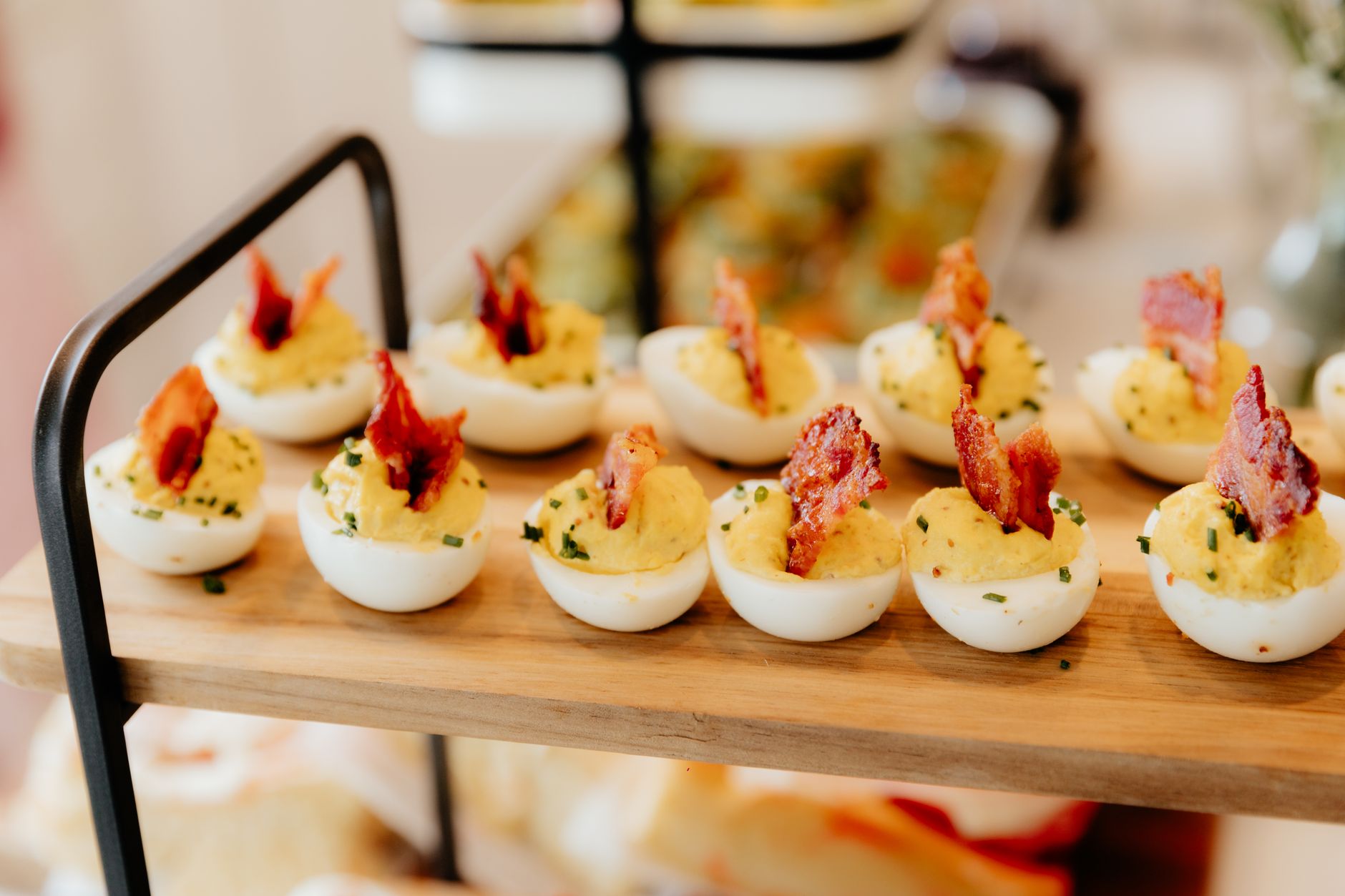
Deviled eggs are a classic appetizer, often served at gatherings, holidays, and picnics. Creamy and flavorful, they feature a delectable filling made from the yolk, mayonnaise, mustard, and seasonings. However, once you prepare these delightful bites, a common question arises: how long do deviled eggs last?
Understanding the shelf life and proper storage methods for deviled eggs is essential for ensuring both food safety and the best flavor. This article will delve into the shelf life of deviled eggs, effective storage tips, and whether leftovers can be safely consumed.
How Long Do Deviled Eggs Last?
Deviled eggs can last about 2 to 3 days when stored properly in the refrigerator. The freshness of eggs and other ingredients, along with how they are prepared and stored, significantly impacts how long they remain safe to eat.
The Factors Impacting Shelf Life
Several factors can affect how long deviled eggs last, including the quality of ingredients, preparation methods, storage conditions, and food safety practices. Knowing these factors can help you not only prepare your deviled eggs but also store them effectively.
Ingredient Quality
The freshness of the ingredients used in deviled eggs plays a crucial role in determining their shelf life. Fresh, high-quality eggs will yield better results and will last longer than older eggs. Similarly, the quality of mayonnaise, mustard, and any other added ingredients should be considered.
Preparation Method
How you prepare your deviled eggs can influence their longevity. For example, if you make them with homemade mayonnaise or other perishable ingredients, they may not last as long as those made with store-bought options, which often contain preservatives. Additionally, if you’re adding other ingredients such as bacon or seafood, they may shorten the shelf life.
Storage Conditions
Proper storage conditions are essential for keeping deviled eggs fresh. Always store them in the refrigerator immediately after preparation and ensure they are in an airtight container. Exposure to air can lead to dryness and spoilage. Avoid leaving deviled eggs out at room temperature for extended periods, as bacteria can grow rapidly, leading to foodborne illness.
Food Safety Practices
Practicing proper food safety is vital for extending the freshness of deviled eggs. This includes using clean utensils and surfaces during preparation, keeping cold ingredients cold, and consuming them within the recommended timeframe. Always be vigilant in checking if any ingredients show signs of spoilage before use.
How to Store Deviled Eggs
Storing deviled eggs correctly can help maintain their flavor and safety. Here are some practical tips on how to store deviled eggs:
- Refrigerate Promptly: After preparing deviled eggs, place them in the refrigerator immediately to maintain freshness.
- Use Airtight Containers: Store deviled eggs in an airtight container or tightly cover the plate with plastic wrap to prevent exposure to air and moisture.
- Keep Them Whole: If possible, keep the egg whites and fillings separate until serving. This can extend the shelf life by preventing the egg whites from drying out.
- Label and Date: If you’re storing deviled eggs for more than a day, label the container with the date of preparation to remind yourself when they were made.
Signs of Spoilage in Deviled Eggs
Recognizing signs of spoilage is crucial to ensure food safety. Here are some indicators that your deviled eggs may no longer be safe to eat:
- Unpleasant Odor: If the deviled eggs emit a foul odor, they are likely spoiled.
- Change in Texture: If the filling or egg whites appear excessively dry or watery, it may indicate spoilage.
- Visual Signs: Any discoloration, such as dark spots or mold, is a clear sign that the deviled eggs should not be consumed.
Can You Freeze Deviled Eggs?
Freezing deviled eggs is not recommended, as the texture can change significantly upon thawing. Egg whites may become rubbery, and the creamy filling can separate, leading to an unappetizing consistency when defrosted. It is best to prepare deviled eggs fresh when needed instead of attempting to freeze them.
Creative Ways to Use Leftover Deviled Eggs
If you find yourself with leftover deviled eggs, consider these creative ideas to use them up:
- Egg Salad: Chop up the leftover deviled eggs and mix them with additional mayonnaise and herbs for a flavorful egg salad spread.
- In Sandwiches: Use deviled eggs as a filling in sandwiches or wraps for a delicious twist.
- Salad Topping: Cut them into quarters and add them to salads for a protein boost.
Tips for Making Deviled Eggs
Preparing deviled eggs can be easy and fun. Here are some tips to ensure they are delicious and safe to eat:
- Boil Eggs Properly: Boil eggs for about 9 to 12 minutes for fully cooked yolks but still tender whites. Use an ice bath afterward to stop the cooking process and enable easier peeling.
- Seasoning Matters: Experiment with seasonings to discover your ideal balance of flavors. Taste the filling as you go to achieve a delightful blend.
- Presentation: Garnish with paprika, fresh herbs, or even bacon bits for an appealing visual touch.
A Simple Deviled Egg Recipe
While the focus of this article is to discuss the storage and shelf life of deviled eggs, here’s a straightforward recipe to refresh your memory about how to prepare them:
Ingredients
- 6 large eggs
- 3 tablespoons mayonnaise
- 1 teaspoon Dijon mustard
- Salt and pepper to taste
- Paprika for garnish
Instructions
- Boil the eggs: Place eggs in a saucepan and cover them with water. Bring to a boil, then cover and remove from heat. Let sit for 9-12 minutes.
- Cool and peel: Transfer the eggs to an ice bath, cool for a few minutes, then peel the eggs.
- Prepare the filling: Cut each egg in half lengthwise and scoop the yolks into a bowl. Mash the yolks with mayonnaise, Dijon mustard, salt, and pepper until smooth.
- Fill the eggs: Spoon or pipe the yolk mixture back into the egg white halves.
- Garnish: Sprinkle with paprika before serving and refrigerate until ready to serve.
Serving Suggestions for Deviled Eggs
When serving deviled eggs, consider pairing them with a variety of beverages and sides to enhance the overall experience:
- Beverages: Serve with light wines, cocktails, or sparkling beverages that can balance the rich flavor of deviled eggs.
- Sides: Complement deviled eggs with crunchy vegetable platters, crackers, or charcuterie boards for a delightful spread.
- Theme Parties: Consider incorporating deviled eggs in themed gatherings, like picnics, brunches, or holiday parties.
Common Mistakes to Avoid
Here are some common mistakes people make when preparing deviled eggs and how to avoid them:
- Overcooking Eggs: Overcooked eggs can create a greenish color around the yolks and a rubbery texture. Use the proper boiling time for perfect results.
- Inadequate Seasoning: Forgetting to taste and adjust seasoning can lead to bland filling. Always taste as you prepare.
- Improper Storage: Leaving deviled eggs unrefrigerated for a long period can lead to spoilage. Ensure they are stored immediately after preparation.
In summary, deviled eggs are a delightful dish that can make for a perfect appetizer or side. With the right ingredients, careful preparation, and proper storage techniques, you can enjoy them safely for a few days. As a next step, consider exploring other food preservation techniques or checking the shelf life of cottage cheese, which can be found here: how long does cottage cheese last after opening?.
For more related recipes or tips, you might be interested in how long it takes to bake a sweet potato or other meal-prepping guides.