
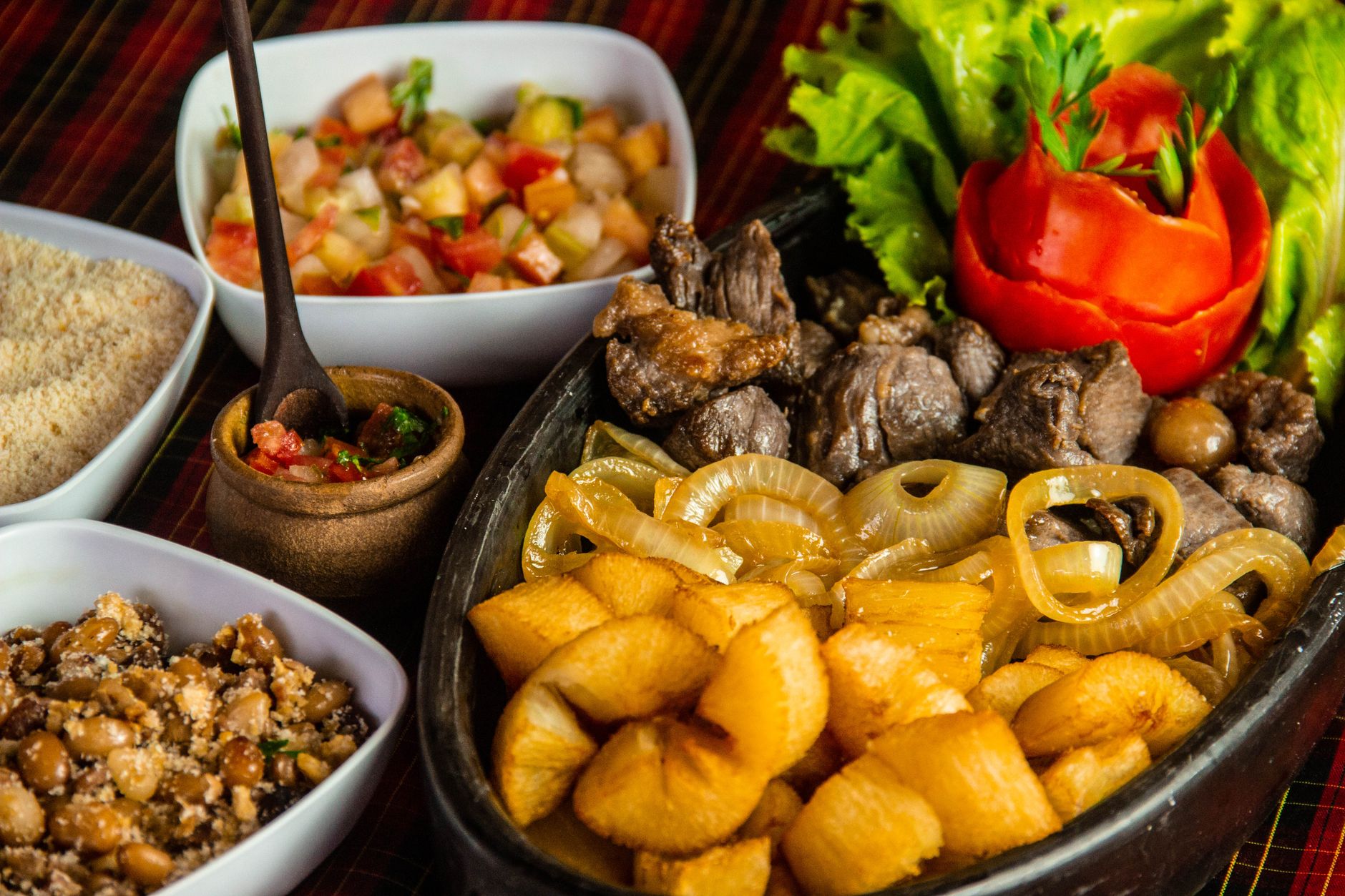
Gallo Pinto is a traditional dish beloved in Central America, particularly in Costa Rica and Nicaragua. It consists of a vibrant mixture of rice and black or red beans, seasoned to create a wholesome meal that is both comforting and satisfying.
Often enjoyed for breakfast, it beautifully showcases regional flavors and cultural significance, making it a staple in the diets of many locals. This guide will provide you with a detailed understanding of Gallo Pinto, including its ingredients, flavor profile, and serving suggestions.
What Is Gallo Pinto?
Gallo Pinto, which translates to “spotted rooster” in Spanish, refers to the color and appearance of the dish that combines rice and beans. It is not just a meal but also a symbol of culinary identity in Costa Rica and Nicaragua.
The dish is customarily served with a variety of sides, making it a versatile option for breakfast, lunch, or dinner.
Ingredients in Gallo Pinto
The ingredients required for Gallo Pinto are simple yet flavorful, creating a delightful harmony among them. Here is a complete list:
- 2 cups cooked white rice (day-old rice is preferred)
- 2 cups cooked black beans or red beans (drained if canned)
- 1 small onion, finely chopped
- 1 bell pepper (red or green), diced
- 2 cloves garlic, minced
- 2 tablespoons vegetable oil or butter
- 1 tablespoon soy sauce or Salsa Lizano (for authentic flavor)
- Salt and pepper to taste
- Chopped cilantro (optional, for garnish)
Flavor Profile of Gallo Pinto
The flavor of Gallo Pinto largely comes from the combination of the beans and rice, enhanced by aromatic vegetables and seasonings. The dish is savory with a mild earthiness from the beans and a slight sweetness from the sautéed onions and bell peppers. If you opt for Salsa Lizano, you will introduce additional layers of flavor, with subtle hints of tang and spice.
How to Make Gallo Pinto: Step-by-Step
Preparing Gallo Pinto takes approximately 20 minutes, assuming the rice and beans are already cooked. It yields about 4 servings, making it a perfect quick meal option.
Essential Equipment
- Large skillet or frying pan
- Wooden spoon or spatula
- Cooking pot (if cooking rice or beans)
Instructions
- Heat oil or butter: In a large skillet over medium heat, add the vegetable oil or butter and allow it to heat up.
- Sauté vegetables: Add the chopped onion and bell pepper. Sauté for about 3-4 minutes, until the vegetables are soft and translucent. Incorporate the minced garlic and cook for an additional minute until fragrant.
- Add rice and beans: Stir in the cooked rice and beans, mixing thoroughly with the vegetables.
- Season the mix: Pour in the soy sauce or Salsa Lizano. Season with salt and pepper to taste. Mix well to ensure an even distribution of flavor.
- Heat through: Cook for an additional 5-7 minutes, stirring occasionally, until the mixture is heated through. The rice may take on a slightly crispy texture at the bottom if left undisturbed for a moment.
- Garnish and serve: Once hot, remove from heat and garnish with chopped cilantro if desired. Serve immediately.
Serving Suggestions for Gallo Pinto
Gallo Pinto is versatile and can be served in a variety of ways:
- Breakfast: Traditionally served with eggs (fried, scrambled, or poached), avocado slices, and a side of fresh fruit.
- Lunch or Dinner: Pair with grilled meats, such as chicken or beef, or serve alongside a fresh salad.
- Soups: Use it as a hearty topping for soup, adding texture and flavor.
- Tortillas: Wrap it in corn tortillas for a delicious burrito-style meal or taco.
Common Mistakes When Making Gallo Pinto
While Gallo Pinto is straightforward to make, certain pitfalls can affect the final dish:
- Not using day-old rice: Freshly cooked rice can be too sticky and watery, whereas day-old rice maintains a better texture for frying.
- Overcooking the vegetables: Sautéing too long can lead to burnt or mushy vegetables, which detracts from the dish’s appeal.
- Inadequate seasoning: Neglecting to season the rice and beans can result in a bland dish; always taste and adjust seasoning as needed.
Variations of Gallo Pinto
You might be interested in some variations of Gallo Pinto to play with different flavors:
- Beans: While black beans are the most common, you may also use red beans or pinto beans for a different taste.
- Spicy version: Add diced jalapeños or crushed red pepper flakes to give it a spicy kick.
- Vegetarian options: Replace any meats served alongside with sautéed mushrooms or tofu for a vegetarian-friendly alternative.
Storage and Reheating of Gallo Pinto
If you have leftover Gallo Pinto, storing it properly will maintain its quality. Here’s how to handle leftovers:
- Storage: Place leftover Gallo Pinto in an airtight container in the refrigerator for up to 4 days.
- Freezing: It can be frozen for up to 3 months. Thaw overnight in the refrigerator before reheating.
- Reheating: To reheat, warm it in a skillet over medium heat until heated through or microwave it in short intervals, stirring in between.
Dietary Adaptations for Gallo Pinto
Gallo Pinto can be easily adapted to cater to various dietary preferences:
- Vegan: Naturally a vegan dish when prepared without meat.
- Gluten-Free: Ensure that any sauces used are gluten-free, particularly soy sauce.
- Low-Carb: Consider substituting rice with cauliflower rice for a low-carb version, but note that it will alter the traditional texture.
Conclusion
Gallo Pinto is more than just a meal; it’s a representation of Central American culture and a beloved staple in many households. With its affordability, ease of cooking, and variety of serving options, it can be easily incorporated into your diet. Whether for breakfast or dinner, the comforting dish will surely satisfy your cravings.
The next step you might want to take is to gather the ingredients and try making Gallo Pinto at home. Share your creations and explore related recipes, such as the significance of bananas in dishes or the fascinating history of molasses.
For more culinary insights, check out what is a banana, or discover what is molasses made from.