
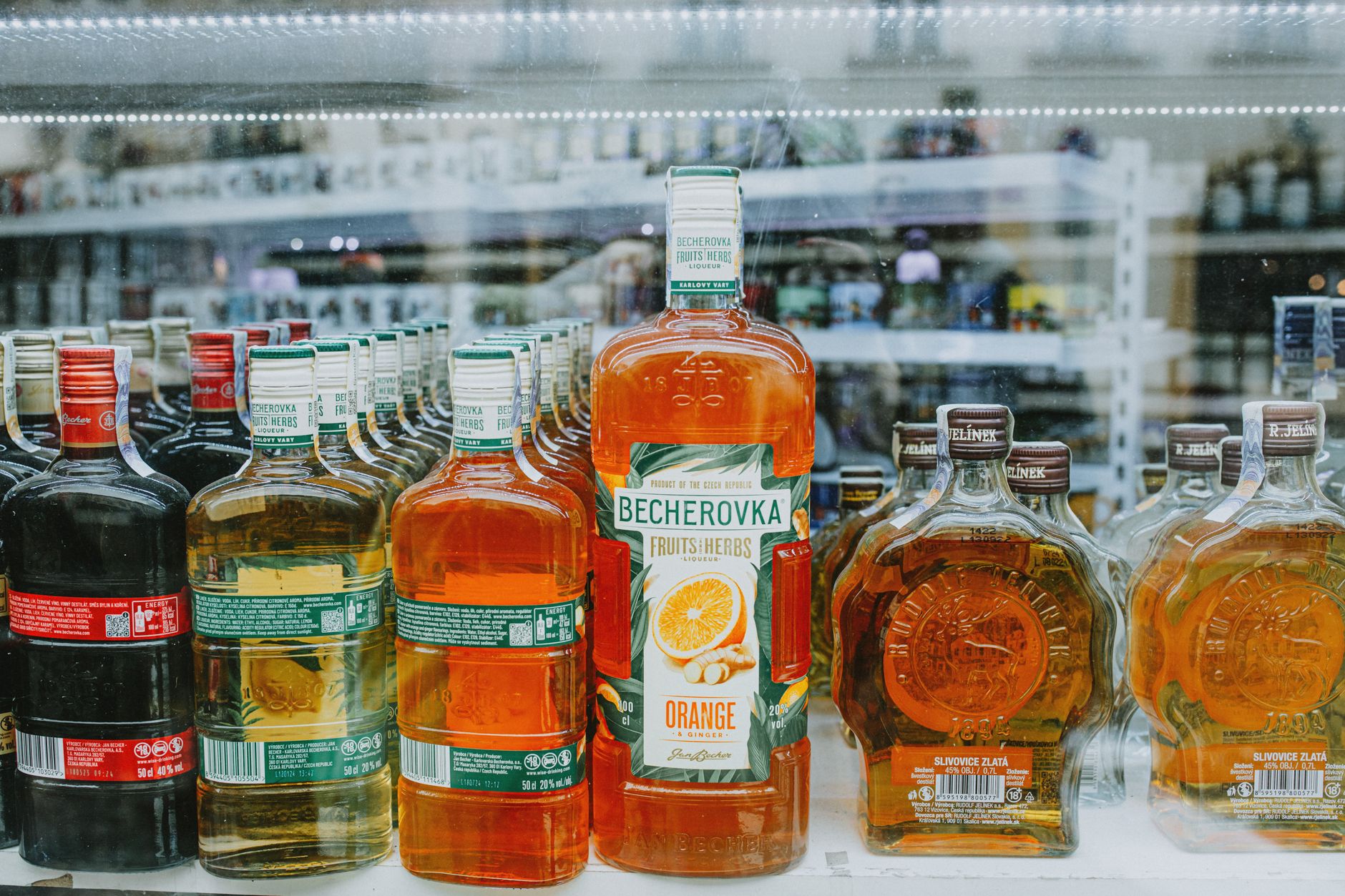
Ratafia is a delightful flavored liqueur with a rich history and a unique profile that appeals to many palates. Created by infusing spirits with fruits, nuts, or spices, it often carries aromatic qualities and a sweet finish. This article explores the ingredients, flavor profiles, and ways to serve ratafia, making it a versatile addition to your culinary repertoire.
Whether you’re looking to enjoy it as an after-dinner drink, incorporate it into cocktails, or use it in cooking and baking, understanding what ratafia truly is will enhance your appreciation for this complex liqueur.
What Is Ratafia?
Ratafia is a type of fortified wine or liqueur, traditionally made from different fruits or nuts. The essential feature of ratafia is its infusion process, where the base alcohol captures the flavors of the added ingredients, creating a drink that is both aromatic and flavorful. Common ingredients include cherries, apricots, almonds, and various spices, which contribute to its distinctive taste.
The History of Ratafia
Originating from Europe, ratafia has roots tracing back to the 17th century. The term “ratafia” means “to affirm” in Latin, and it originally referred to a fancy drink served at celebratory gatherings. Over time, each region began to create its own version, leading to variations across countries like France, Italy, and Spain. These regional recipes often reflect local ingredients and traditions, contributing to the diverse profiles ratafias can possess.
Key Ingredients in Ratafia
The ingredients of ratafia vary widely depending on the regional produce and traditions but generally include the following:
- Base Alcohol: Typically, a distilled spirit like brandy, whiskey, or vodka serves as the foundation. This alcohol percentage helps preserve the flavors from the added ingredients.
- Fruits: Cherries, peaches, plums, or other seasonal fruits are commonly used. These provide sweetness and aroma.
- Nuts: Almonds, hazelnuts, or other nuts add depth and complexity to the flavor profile.
- Herbs and Spices: Ingredients like cinnamon, cloves, or vanilla can enhance the aroma and taste, making every batch unique.
- Sweeteners: Sugar, honey, or fruit syrups are often added to achieve the desired sweetness.
Flavor Profile of Ratafia
The flavor profile of ratafia can vary significantly based on the ingredients used, but here are some common characteristics:
- Sweetness: Most ratafias are on the sweet side due to the high sugar content from fruits and added sweeteners.
- Aromatics: The infusion process extracts rich flavors from fruits and spices, providing a fragrant quality that can be floral, fruity, or nutty.
- Complexity: The combination of various ingredients leads to multilayered flavors with hints of warmth, acidity, and nuttiness.
How to Serve Ratafia
Ratafia can be enjoyed in multiple ways. Here are some popular serving methods:
1. As an Aperitif or Digestif
Ratafia can serve either as an aperitif before a meal or as a digestif afterward. To enjoy it neat:
- Chill the ratafia in the refrigerator or pour it over ice for a refreshing experience.
- Serve it in a small glass to enhance its aromatic qualities.
2. In Cocktails
Ratafia can add a unique twist to various cocktails. Here are a few ideas:
- Ratafia Sour: Mix ratafia with lemon juice and a splash of soda water for a refreshing sour drink.
- Fruit Spritz: Combine ratafia with sparkling water, providing a light and fruity cocktail.
- Ratafia Mule: Swap out vodka for ratafia in a traditional Moscow Mule recipe for a sweet twist.
3. In Cooking and Baking
Ratafia’s complex flavors make it a superb ingredient in cooking and baking:
- Add it to fruit compotes or sauces for desserts to enhance the flavor profile.
- Use ratafia in marinades for meats, adding both moisture and a sweet undertone.
- In baking, replace some of the liquid in recipes with ratafia to introduce a subtle sweetness and aroma.
Common Variations of Ratafia
While the basic concept of ratafia remains consistent, many regional variations exist, each offering something unique:
- French Ratafia: Often involves blackcurrants or cherries, sometimes combined with spices for a rich flavor.
- Italian Ratafia: Typically made with almonds and has a sweeter, nuttier flavor, often served after meals.
- Spanish Ratafia: Utilizes local fruits like figs or nuts and can have a more robust flavor due to the variety of ingredients.
DIY Ratafia Recipe
If you’re inspired to create your own ratafia at home, here’s a simple recipe to get started. This recipe combines fruits with spices for a balanced and aromatic finished product. With a preparation time of about 10 minutes and a steeping time of a few weeks, you’ll have a personalized ratafia to enjoy or gift.
Ingredients
- 2 cups of your choice of fruit (e.g., cherries, peaches, or apricots), pitted and halved.
- 1 cup of sugar.
- 2 cups of brandy (or vodka).
- 1 cinnamon stick.
- 2-3 whole cloves or allspice berries (optional).
Essential Equipment
- Glass jar with a tight-sealing lid (1-liter capacity).
- Measuring cups.
- Fermentation airlock (optional) for storage.
- Fine strainer or cheesecloth.
Step-by-Step Method
- Start by preparing the fruit: wash, pit, and cut it into halves or quarters as needed.
- In a large glass jar, combine the fruit and sugar. Stir gently to coat the fruit in sugar.
- Add the alcohol (brandy or vodka) to the jar.
- Add the cinnamon stick and cloves (if using) for additional flavor.
- Seal the jar tightly and give it a good shake to mix the ingredients thoroughly.
- Store the jar in a cool, dark place for at least 2 weeks (up to 6 weeks for a stronger flavor). Shake the jar gently every few days to help the sugar dissolve.
- After steeping, strain the ratafia through a fine strainer or cheesecloth into a clean bottle, discarding the solids.
- Seal the bottle and store in the refrigerator or a cool place. Enjoy within a few months.
Practical Substitutions
If you want to experiment with different flavors or have specific preferences, consider these substitutions:
- Fruit: Replace the cherries with blackberries or strawberries for a different flavor profile.
- Alcohol: Experiment with flavored liqueurs, like amaretto or orange liqueur, for a unique twist.
- Sweeteners: Substitute sugar with honey or agave syrup to alter sweetness levels.
Common Mistakes and Troubleshooting
Creating your own ratafia can be enjoyable, but there are a few pitfalls to watch for:
- Too Much Sugar: If the mixture becomes overly sweet, consider adding a splash of lemon juice to balance it out.
- Insufficient Steeping: Don’t rush the steeping process. Allowing enough time enhances the depth of flavor.
- Improper Sealing: Ensure your jar is sealed well to prevent air from altering the flavor during the fermentation process.
Storage and Shelf Life
Once prepared, homemade ratafia should be kept in the refrigerator or a cool, dark place. It generally remains good for about 6 months, though the flavors may evolve and deepen over time. If any cloudiness or sediment forms, it’s best to strain the liqueur again before consumption.
Conclusion
Ratafia is a versatile and fascinating liqueur that can enhance your culinary experiences. Whether enjoyed straight, mixed into cocktails, or incorporated into dishes, understanding this drink opens a world of flavor possibilities. By making your own, you can personalize it to your taste and creativity. Take your time with the steeping process, have fun discovering flavor combinations, and celebrate this charming addition to your beverage repertoire.
Explore more creative ways to incorporate unique ingredients into your cooking or enjoy our delicious dessert recipes for a satisfying pairing.