
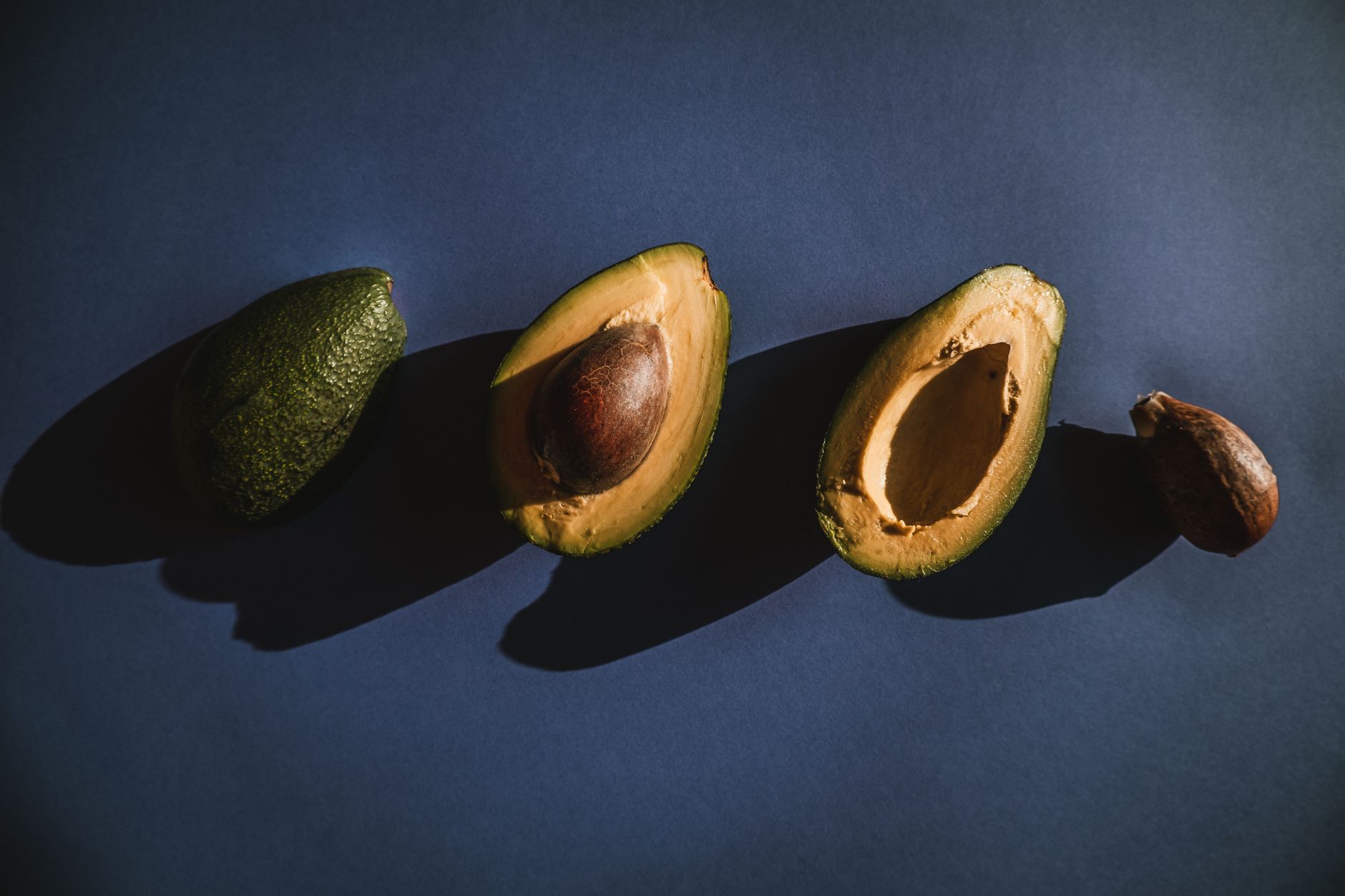
Avocados have become a staple in many diets due to their creamy texture and rich flavor. However, one question often asked is, “How many calories is one avocado?” Understanding the calorie content of avocados can help incorporate them healthily into meals and snacks.
This article will explore the calorie content of different avocado serving sizes, discuss the nutritional benefits, and offer tips on how to enjoy avocados in various recipes while managing caloric intake.
How Many Calories Is One Avocado?
On average, a whole avocado contains about 240 to 320 calories, depending on its size. A medium avocado typically has around 250 calories. When considering calorie intake, it’s essential to account for the serving size you consume, as well as the preparation method.
The Caloric Breakdown of Avocados by Serving Size
To better understand how many calories are in avocados, let’s break down the calorie content according to different serving sizes:
| Serving Size | Calories |
|---|---|
| 1/2 Medium Avocado (about 100 g) | 120-160 calories |
| 1 Whole Medium Avocado (about 200 g) | 240-320 calories |
| 1 Whole Large Avocado (about 300 g) | 360-480 calories |
| 1/4 Medium Avocado (about 50 g) | 60-80 calories |
These values can vary based on the specific avocado variety and its ripeness. Generally, the larger the avocado, the higher the calorie count.
Nutritional Benefits of Avocados
Beyond their caloric content, avocados are packed with nutrients. Understanding these benefits can help justify their place in your diet.
- Healthy Fats: Avocados are rich in monounsaturated fats, which are heart-healthy and can aid in lowering bad cholesterol levels.
- Fiber: A medium avocado contains around 10 grams of fiber, contributing to digestive health and promoting a feeling of fullness.
- Vitamins and Minerals: Avocados are a good source of vitamins C, E, K, and B vitamins, along with minerals like potassium and magnesium.
- Antioxidants: They contain antioxidants such as lutein and zeaxanthin, which are essential for eye health.
Incorporating avocados into your diet can provide significant health benefits while allowing for a variety of delicious flavored dishes.
How to Enjoy Avocados While Managing Calories
Avocados can be used in many ways, from adding them to salads to blending them in smoothies. Here are some practical tips on how to enjoy avocados in moderation without overdoing the calorie count:
1. Use Avocados as Spreads or Dips
Guacamole is a popular way to consume avocados, but it’s easy to go overboard with the dip. Limit yourself to two tablespoons of guacamole for about 50-60 calories. Alternatively, mashed avocado can be spread on whole-grain toast or used as a sandwich spread to enhance flavors and provide healthy fats.
2. Incorporate into Salads
Instead of using heavy dressings, diced avocado can add creaminess to salads. Use about 1/4 of an avocado (roughly 50 calories) mixed with leafy greens and other vegetables for a satisfying meal.
3. Use Avocado in Smoothies
A few slices of avocado make smoothies creamy without adding excessive sugars. A half teaspoon can add around 60-80 calories, so keep portion sizes in check when blending.
4. Add to Breakfasts
Avocado is a great addition to breakfasts. Try adding it to an omelet or alongside eggs. A medium avocado can serve up to 4 meals with just 60-80 calories per portion.
5. Experiment with Cooking Methods
Cooking avocados can change their texture and flavor. Grilled or baked avocado halves can be a delightful side dish. Drizzle with lemon juice and spices for a nutrient-rich accompaniment without adding excess calories.
Practical Substitutions and Variations
If you’re looking to replace avocados in your dishes, or if you’re trying to control portions or caloric intake, there are several alternatives you can consider:
- Greek Yogurt: A common substitution is Greek yogurt, which can provide creaminess and is lower in calories. Use about half the amount.
- Hummus: This can replicate the creamy texture and provide flavor. For every tablespoon of avocado, use the same amount of hummus.
- Nut Butters: For smoothies or spreads, natural nut butters can offer creaminess and healthy fats. Just be cautious, as they are often higher in calories.
When substituting, keep in mind that flavor and texture will change, affecting the overall dish. Be sure to adjust seasoning accordingly.
Common Mistakes to Avoid with Avocados
While avocados can be a healthy addition to your meals, it’s essential to avoid common pitfalls. Here are some mistakes to watch out for:
- Overindulgence: Due to their calorie density, it’s easy to consume too much. Keep your portions in check, especially in dishes like guacamole.
- Not Considering Preparation Method: Frying or adding high-calorie toppings can significantly increase the calorie count.
- Ignoring Ripeness: Unripe avocados won’t be as pleasant to eat and can lead to waste. Always check for softness when selecting avocados.
Storage and Preservation of Avocados
Knowing how to store avocados is crucial to minimize waste. Here’s a quick guide:
Whole Avocados
Store unripe whole avocados at room temperature until they yield to gentle pressure. Once ripe, you can refrigerate them to extend freshness for up to a week.
Cut Avocados
To store cut avocados, keep the pit in one half, brush the surface with lemon or lime juice to prevent browning, and wrap tightly in plastic wrap. Consume within one to two days for quality.
Incorporating Avocados into Meal Planning
Avocados can work wonderfully in meal planning. Here are some ideas for meals that include avocados while keeping caloric accuracy in mind:
- Breakfast: Scrambled eggs with diced avocado and salsa (about 250-300 calories).
- Lunch: Quinoa salad with cherry tomatoes, spinach, and 1/4 avocado (250 calories).
- Dinner: Grilled chicken with a side of roasted vegetables and 1/2 avocado (approximately 400 calories).
- Snacks: Rice cakes topped with smashed avocado and chili flakes (150 calories).
Mix and match your meals while tracking caloric intake to maintain a balanced diet.
Conclusion
Avocados are a nutrient-dense food that can fit well in a variety of diets. Understanding how many calories are in an avocado and how to enjoy them responsibly will allow you to benefit from their many health advantages without unwanted calorie overload. Perfect for breakfast, lunch, or a snack, avocados are a versatile ingredient deserving a spot on your plate.
For more culinary inspiration, check out our recipes for avocado bread and avocado crema as you explore the delicious world of avocados.