
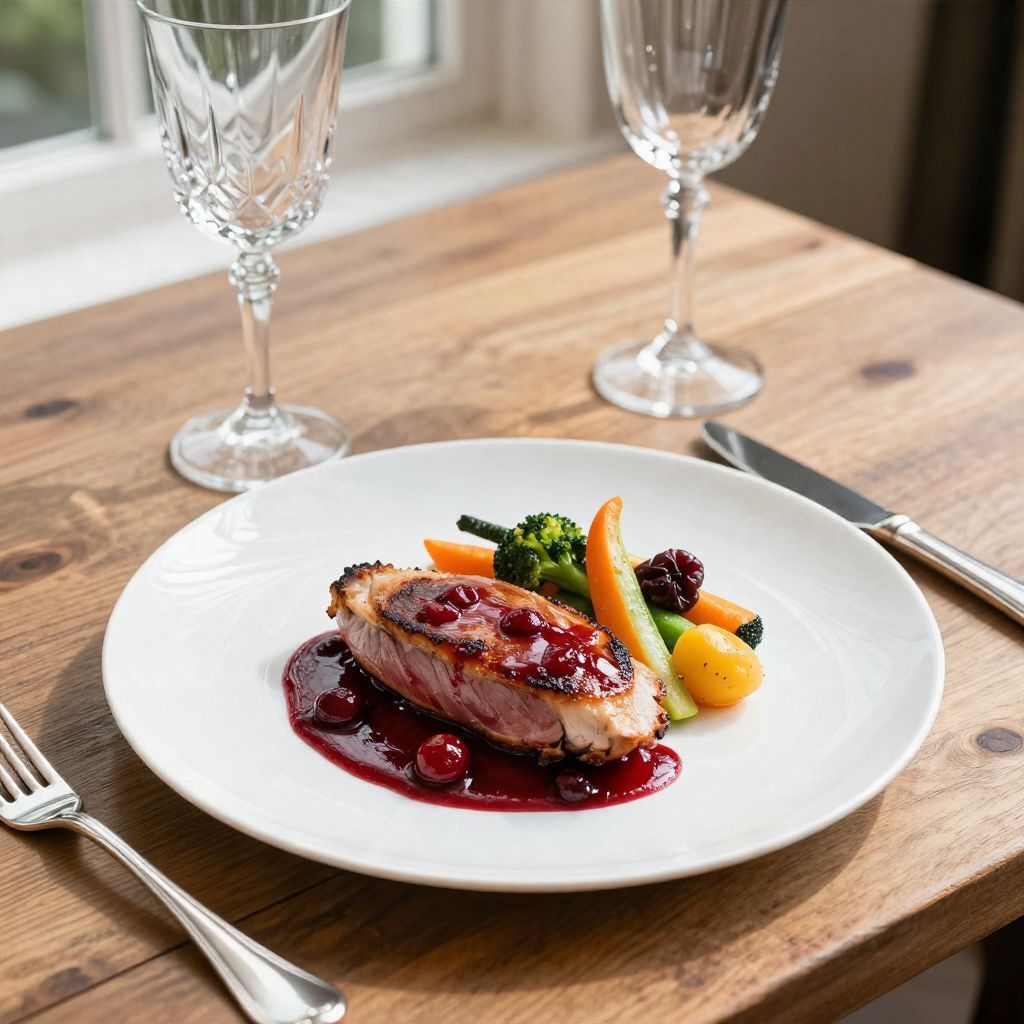
Table service plays a vital role in the dining experience, shaping how food is presented and enjoyed. This style of service allows patrons to experience a more personalized and interactive meal, elevating simple dining into an event.
This article delves into the essence of table service, exploring its various types, components, and the culinary strategies involved in creating an engaging dining experience.
What Is Table Service?
Table service is a style of serving food in restaurants where food and drinks are delivered directly to the diners’ tables by waitstaff. This approach contrasts with buffet or self-service styles, emphasizing hospitality, presentation, and interaction between the server and the customer.
Types of Table Service
Table service can be categorized into several different types, each with its unique characteristics and preferred settings. Understanding these types can help both restaurant operators and diners appreciate the nuances of their dining experience.
1. Formal Table Service
This type of service often involves multiple courses served in a specific sequence. The dining experience is structured, focusing on etiquette and presentation.
- Cleanliness and Presentation: Cutlery and plates should be spotless, arranged symmetrically.
- Staff Training: Waitstaff are typically well-trained in customer service and dining etiquette.
- Dining Atmosphere: The setting often includes fine linens, table centerpieces, and ambient lighting.
2. Informal Table Service
More casual than formal service, this style often features a relaxed atmosphere and may have fewer courses. It can still offer attentive service but lacks the strict protocols of formal dining.
- Flexibility: Diners may have more choices in how they order and serve their meal.
- Casual Dress Code: Less emphasis on formal attire for diners and staff.
- Family-Style Serving: Dishes are served in large platters to be shared by the table.
3. Assisted Self-Service or Buffet
In this service style, diners serve themselves with some assistance from staff. For example, a server may fill beverages while patrons help themselves to food at a buffet line.
- Variety: A wide range of choices can appeal to various tastes.
- Quick Service: Reduces wait times as diners can serve themselves.
- Less Interaction: Less engagement between diners and waitstaff.
4. Counter or Fast-Casual Service
This style is prevalent in cafes and fast-casual restaurants, where patrons place their order at a counter and take their food to their table.
- Efficiency: Quick service ensures that meals can be prepared and served rapidly.
- No Reservations: Diners often do not need to reserve a spot, making it accessible.
- Informal Atmosphere: Less formality makes this style approachable and laid-back.
Key Components of Table Service
The effectiveness of table service hinges on several critical components that enhance the dining experience. These elements can make or break the perception of quality in a restaurant.
1. Menu and Meal Planning
A well-thought-out menu contributes substantially to the dining experience. Meals should be designed considering flavor profiles, dietary restrictions, and balance.
- Seasonal Ingredients: Using fresh, seasonal ingredients connects diners with the current harvest.
- Beverage Pairings: Thoughtful pairing of wines, spirits, and non-alcoholic drinks enhances the meal.
- Portion Sizes: Well-portioned meals keep diners satisfied without waste.
2. Table Settings
How a table is set can impact the overall impression of a restaurant. Proper table settings convey professionalism and attention to detail.
- Cutlery Placement: Knives and forks should be placed according to the course of the meal.
- Glassware: Different types of glasses may be required for different beverages.
- Table Linens: Quality linens add an element of sophistication.
3. Service Etiquette
Proper etiquette by the waitstaff enhances the food experience and satisfies diners’ expectations. Key points include:
- Greeting: A friendly greeting sets the tone for the meal.
- Menu Knowledge: Waitstaff should be knowledgeable about the menu and available for questions.
- Timing: Service should be timed correctly, allowing guests to enjoy each course without feeling rushed.
4. Food Presentation
The visual appeal of food contributes significantly to diners’ enjoyment. Eye-catching presentation can transform even simple dishes into culinary art.
- Plating Techniques: Consider color, texture, and height when plating.
- Temperature: Dishes should be served at optimal temperatures for flavor and texture.
- Garnishing: Thoughtful garnishes can enhance visual appeal without overshadowing the dish.
The Role of Technology in Table Service
Technology continues to transform the dining experience, making table service more efficient and customer-friendly. Here are some ways technology influences table service.
1. Reservations and Waitlists
Many restaurants now use software to manage reservations and waitlists, improving the flow of diners. This technology can provide updates on wait times, allowing diners to plan accordingly.
2. Mobile Ordering and Payment
Table service restaurants increasingly allow patrons to view menus, place orders, and pay via mobile apps. This reduces wait times and streamlines the overall experience, accommodating the tech-savvy diner.
3. Automated Inventory Management
Some establishments adopt inventory management systems to track stock levels automatically. This technology ensures that menu items are available, minimizing the risk of disappointment for diners.
4. Feedback and Reviews
Restaurants can leverage technology to gather feedback through review platforms, enabling them to improve service based on real-time customer insights.
Enhancing the Dining Experience
Great table service not only involves delivering food but also creating a memorable atmosphere for patrons. Here are some strategies to enhance the dining experience.
1. Personalization
Offering personalized service can significantly impact a diner’s experience. Understanding preferences, dietary restrictions, and special occasions makes diners feel acknowledged and valued.
2. Ambiance
The restaurant’s overall atmosphere contributes to the dining experience. Considerations such as lighting, music, and decor can enhance the dining experience and establish a particular mood.
3. Engagement
Encouraging engagement between staff and diners can lead to a more enjoyable meal. Personalized interactions create a sense of connection and can turn meals into memorable experiences.
4. Feedback Loop
Encouraging diners to provide feedback creates opportunities for continuous improvement. Regularly assessing experiences helps restaurants adapt to their customers’ evolving preferences.
Common Mistakes in Table Service
Even in well-established restaurants, common pitfalls can detract from the overall dining experience. Understanding these mistakes is critical for both restaurant owners and diners.
1. Inattentive Service
Failing to check on diners can lead to dissatisfaction. Staff should monitor tables, ensuring guests feel attended to without being intrusive.
2. Miscommunication
Errors in order taking can disrupt dining flow. Emphasizing the importance of clear communication helps prevent mistakes.
3. Unhygienic Practices
Neglecting cleanliness can ruin diners’ appetites. Maintaining strict hygiene protocols should be a top priority.
4. Poor Timing
Courses can feel rushed or painfully slow. Staff training in pacing service is essential for a seamless dining experience.
Conclusion
Table service is more than simply delivering food to the table; it is about creating an enriching culinary experience that encompasses hospitality, presentation, and ambiance. By understanding the different types of service, key components, and common mistakes, both patrons and restaurant operators can improve their engagement in this vital aspect of dining.
For further insights into culinary practices, explore our articles on meal planning, ingredient selection, and cooking techniques to enhance your gastronomy knowledge.