
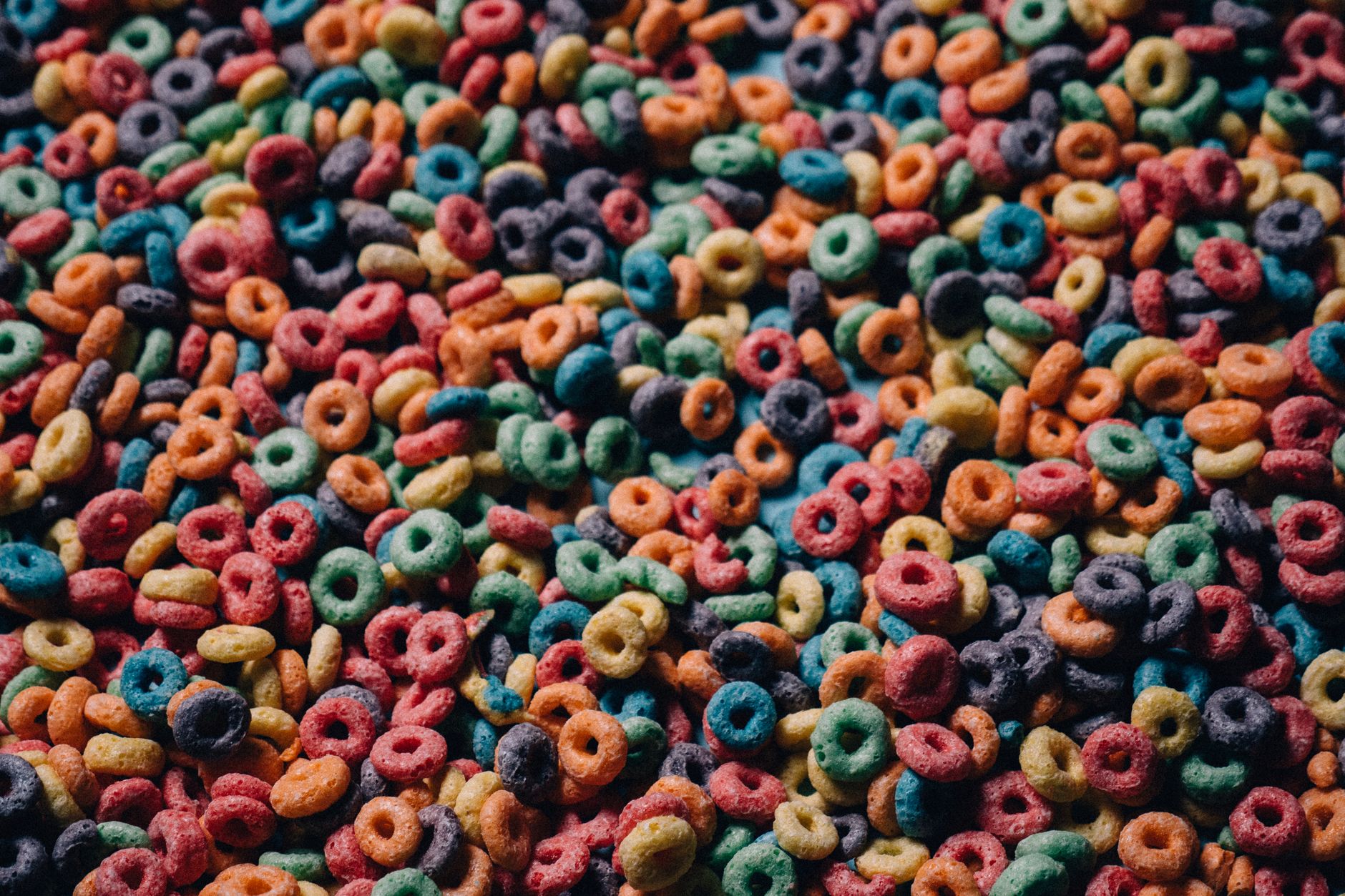
Understanding what constitutes ultra-processed foods can significantly impact your dietary choices and overall health. These foods, often designed for convenience and taste, generally contain ingredients that you would not use in home cooking. This article will explore the characteristics of ultra-processed foods, provide a comprehensive list, and discuss implications for health and nutrition.
By the end of this guide, you will be equipped with the knowledge to identify ultra-processed foods and make more informed choices about what you eat. We’ll also touch on practical ways to reduce your consumption of these items without sacrificing convenience or taste.
What Foods Are Considered Ultra Processed?
Ultra-processed foods are typically defined as those that have undergone significant industrial processing. They contain ingredients that are not found in a typical kitchen, such as artificial flavors, preservatives, emulsifiers, and sweeteners. Examples include snack foods, sugary beverages, and ready-to-eat meals.
These products often lack whole food ingredients and can have long ingredient lists featuring substances that are foreign to most homemade recipes. To put it simply, if you can’t pronounce the ingredients or recognize them as food, it likely falls into the ultra-processed category.
Characteristics of Ultra Processed Foods
Ultra-processed foods share several defining features:
- Long Ingredient Lists: They often include multiple ingredients, many of which are chemical additives.
- High Levels of Sugar, Salt, and Fat: These foods are designed to be palatable and can be heavily fortified with sugar, unhealthy fats, and sodium.
- Low Nutritional Value: Most ultra-processed foods provide empty calories with little to no vitamins, minerals, or fiber.
- Convenience and Shelf Stability: They are typically made to be easily stored and consumed without much preparation.
- Artificial Additives: Ingredients may include preservatives, stabilizers, and artificial colors or flavors.
Common Examples of Ultra Processed Foods
Here’s a more detailed list of common ultra-processed foods you may encounter:
Snacks
- Potato chips
- Cheese puffs
- Packaged cookies and cakes
- Granola bars with added sugars
Beverages
- Soft drinks
- Energy drinks
- Fruit-flavored drinks and sports beverages
- Packaged coffee drinks
Frozen and Ready-to-Eat Meals
- Frozen pizzas
- Ready-to-eat pasta meals
- Microwaveable rice or quinoa dishes
- Instant noodles
Cereals and Breakfast Foods
- Sugary breakfast cereals
- Pancake mixes with artificial ingredients
- Commercial granola with added sugars
- Instant oatmeal packets
Processed Meats
- Hot dogs
- Bacon bits
- Packaged deli meats
- Frozen breaded chicken products
Dairy Alternatives
- Flavored yogurts with sugar additives
- Processed cheese products
- Creamers for coffee with artificial flavors
Health Implications of Ultra Processed Foods
There is increasing evidence linking ultra-processed food consumption to various health issues. Some of the major concerns include:
- Weight Gain: These foods are often calorie-dense, which can contribute to overeating and increased body weight.
- Obesity: Regular consumption of ultra-processed foods is associated with a higher risk of obesity.
- Chronic Diseases: Diets high in ultra-processed foods may increase the risk of developing chronic diseases such as heart disease, diabetes, and certain cancers.
- Mental Health Issues: Some studies suggest a connection between ultra-processed food intake and mental health problems, including anxiety and depression.
How to Reduce Ultra Processed Foods in Your Diet
Reducing the intake of ultra-processed foods can contribute to a healthier lifestyle. Here are some practical tips:
Prioritize Whole Foods
Focus on consuming whole, unprocessed foods such as:
- Fruits and vegetables
- Whole grains
- Nuts and seeds
- Lean meats, fish, and dairy
Cook at Home
Preparing meals at home allows you greater control over the ingredients used. Simple dishes like stir-fries, salads, and soups can be nutritious and satisfying.
Read Labels Carefully
When shopping, take the time to read food labels. Look for products with short ingredient lists and recognizable ingredients.
Meal Prep
Consider planning and preparing your meals in advance to avoid the convenience of ultra-processed options. Here are some meal prep ideas:
- Batch-cook grains like rice or quinoa.
- Prepare roasted vegetables and store them in the refrigerator for quick additions to meals.
- Cook proteins such as chicken or fish and store them for easy access throughout the week.
Think Smartly About Snacks
Include healthier snacks in your routine, opting for natural options like:
- Fresh fruits
- Vegetable sticks with hummus
- Nuts or seeds
Meal Planning for Improved Nutrition
Meal planning can be a powerful tool to reduce reliance on ultra-processed foods. Here are some strategies:
Plan Your Meals
Plan out your meals for the week, considering balanced options that include protein, whole grains, and plenty of fruits and vegetables. This reduces the likelihood of impulse buying of ultra-processed items.
Make a Shopping List
Write a detailed shopping list based on your meal plan. Adherence to your list can help avoid purchasing ultra-processed foods on impulse.
Batch-Cook and Store Meals
Take time on a weekend or a day off to prepare multiple meals at once that can be stored and reheated throughout the week. This strategy can save time and ensure you have wholesome options readily available.
Common Alternatives to Ultra Processed Foods
Your pantry can often be stocked with healthier alternatives to popular ultra-processed items:
Snacks
- Swap packaged cookies for homemade oatmeal cookies using whole ingredients.
- Choose air-popped popcorn seasoned with herbs instead of cheesy snacks.
- Make yogurt parfaits using plain yogurt, fresh fruits, and a sprinkle of nuts or seeds.
Beverages
- Drink water, herbal teas, or sparkling water with a slice of lemon instead of sugary sodas.
- Prepare smoothies at home with fruits, vegetables, and milk or yogurt.
Meals
- Opt for homemade soups made from fresh vegetables over canned varieties with preservatives.
- Make salads featuring a variety of raw veggies, proteins, and homemade dressings rather than store-bought versions.
Common Mistakes to Avoid
Reducing ultra-processed foods can be a challenge. Here are some common pitfalls and how to avoid them:
- Over-relying on Convenience Foods: Preparing a few meals in advance can prevent the temptation to grab ultra-processed snacks or meals.
- Ignoring Labels: Always read labels, even on items marketed as “healthy” or “natural.” These can still contain significant amounts of ultra-processed ingredients.
- Falling for Marketing Tricks: Bear in mind that foods labeled as “low-fat” or “sugar-free” can still be ultra-processed and contain unhealthy additives.
Conclusion
Understanding ultra-processed foods is pivotal for making healthier food choices. By prioritizing whole foods, preparing meals at home, and being vigilant about labels, you can take significant steps towards improving your nutrition. The emphasis should be on choosing foods with recognizable ingredients and minimizing reliance on industrially manufactured options.
Now that you’re informed about ultra-processed foods, consider exploring healthier cooking techniques and meal planning strategies to further enhance your dietary choices. Your kitchen is the gateway to nutritious eating!