
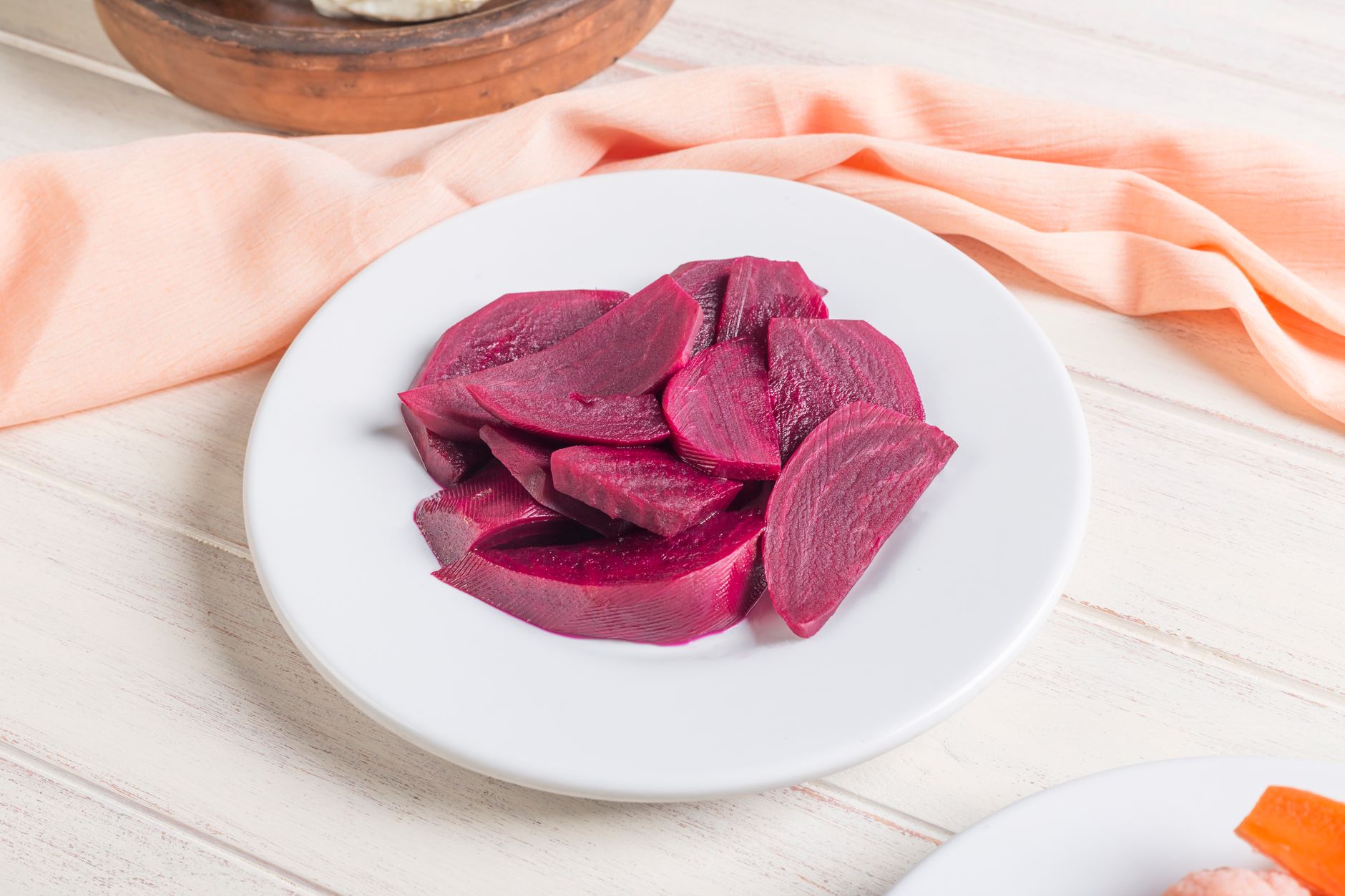
Beetroot, often referred to simply as beets, has gained popularity for its vibrant color and numerous health benefits. One of the many questions surrounding this humble root vegetable is whether it can play a role in increasing testosterone levels. Understanding the relationship between beetroot and testosterone can help you decide how to incorporate this versatile ingredient into your diet.
In this article, we’ll explore the nutritional profile of beetroot, its potential effects on testosterone, recommended portions, and how to include it in your meals. Get ready to discover the culinary and health benefits of beetroot!
Does Beetroot Increase Testosterone?
The evidence surrounding beetroot’s effect on testosterone levels is complex. Some studies suggest that beetroot may positively influence testosterone levels due to its high content of nitrates, which improve blood flow and potentially enhance athletic performance. However, direct studies on beetroot’s effect on testosterone levels are limited. Overall, while beetroot appears beneficial for health and exercise, its direct influence on testosterone needs more research.
Nutritional Profile of Beetroot
Beetroot is not only visually appealing but also packed with essential nutrients. A 100-gram serving of raw beetroot contains:
- Calories: 43
- Carbohydrates: 9.56 g
- Protein: 1.61 g
- Fat: 0.17 g
- Fiber: 2.8 g
- Vitamin C: 6.4 mg (10% DV)
- Folate: 109 µg (27% DV)
- Potassium: 305 mg (9% DV)
- Nitrates: 250-400 mg depending on the source
This rich nutrient profile, particularly the nitrates, is thought to offer various health benefits, including improved cardiovascular health and increased athletic performance.
The Role of Nitrates in Beetroot
Nitrates, which are abundant in beetroot, have been recognized for their potential effects on blood flow. Once ingested, nitrates convert to nitric oxide in the body, a molecule that relaxes and dilates blood vessels. This process can enhance blood flow and, some argue, possibly boost testosterone production indirectly by improving circulation to the testes.
Research on Beetroot and Testosterone
While the link between beetroot and testosterone levels remains unclear, several studies have explored the broader effects of dietary nitrates on male health. Some findings indicate that consuming nitrate-rich foods could support hormone production and overall athletic performance, but direct evidence connecting beetroot specifically to testosterone increase is limited.
Many athletes incorporate beetroot juice into their diet for enhanced stamina and performance, and while improved circulation can indirectly support testosterone levels, it is essential to consider a holistic approach that includes a balanced diet, regular exercise, and healthy lifestyle choices.
Recommended Portions of Beetroot
If you wish to add beetroot to your diet, moderation is key. A typical serving size ranges from 100 to 250 grams per day. Here are some practical ways to incorporate beetroot into your meals:
- Raw Beetroot: Grated in salads or blended into smoothies.
- Roasted Beetroot: Tossed with olive oil and herbs and roasted in the oven.
- Beetroot Juice: Consumed alone or mixed with other juices or smoothies.
- Beetroot Hummus: Combined with chickpeas for a unique dip.
Cooking with Beetroot: Techniques and Tips
Beetroot can be enjoyed in many ways, and here are a few popular cooking methods to explore. Each technique brings out different flavors and textures.
1. Roasting Beetroot
Roasting enhances the natural sweetness of beetroot. Here’s how to roast beets:
- Preheat the oven to 400°F (200°C).
- Wash and peel the beets. You may want to wear gloves to avoid staining your hands.
- Cut them into equal-sized cubes or wedges for even cooking.
- Toss with olive oil, salt, and any herbs of choice.
- Spread on a baking sheet in a single layer.
- Roast for 30-40 minutes, or until fork-tender, turning halfway through.
Roasted beetroot can be added to salads, served as a side dish, or blended into soups.
2. Boiling Beetroot
Boiling is a quick method that can be used when you want soft beetroot for salads or dips. Here’s how to boil:
- Place whole, unpeeled beets in a pot and cover with water.
- Bring to a boil, then simmer for about 30-45 minutes, depending on the size.
- Test with a fork for tenderness. Once done, drain the beets and allow to cool.
- Peel and chop as desired.
Boiled beets can be sliced and added to salads or pureed for a spread.
3. Making Beetroot Juice
Fresh beetroot juice can be a vibrant addition to your diet:
- Wash and peel the beetroot.
- Cut into smaller pieces for easier juicing.
- Using a juicer, process the beetroot and collect the juice.
- Mix with other fruits or vegetables for enhanced flavor and nutrients, such as oranges or carrots.
Common Mistakes When Cooking Beetroot
While cooking beetroot is straightforward, some common mistakes can detract from its taste and texture:
- Not Peeling Before Cooking: Beetroot can be messy, and cooking them with the skin may result in a tough exterior.
- Overcooking: Boiling or roasting beetroot for too long can make them mushy. Regularly check for tenderness.
- Ignoring Staining: Beets can stain surfaces and fabrics. Use chopping boards designated for staining vegetables and wear gloves if needed.
Beetroot Recipes to Try
Incorporating beetroot into your meals can be delightful. Here are a few simple recipes to inspire your culinary journey:
Beetroot Salad with Goat Cheese
This refreshing salad combines the earthiness of beetroot with the creaminess of cheese.
Ingredients:
- 2 medium beetroots, roasted and sliced
- 100g goat cheese, crumbled
- Mixed salad greens (e.g., arugula, spinach)
- 1/4 cup walnuts, chopped
- Olive oil and balsamic vinegar for dressing
- Salt and pepper to taste
Instructions:
- In a large bowl, mix the salad greens, sliced beetroots, and walnuts.
- Drizzle olive oil and balsamic vinegar, then sprinkle with salt and pepper.
- Gently toss the salad and top with crumbled goat cheese before serving.
Beetroot Hummus
This vibrant dip is packed with flavor and color.
Ingredients:
- 1 can (15 oz) chickpeas, drained and rinsed
- 1 medium beetroot, roasted and peeled
- 2 tablespoons tahini
- 2 tablespoons olive oil
- 1 lemon, juiced
- 1 garlic clove
- Salt and pepper to taste
Instructions:
- In a food processor, combine chickpeas, beetroot, tahini, olive oil, lemon juice, garlic, salt, and pepper.
- Blitz until smooth, adding a little water if necessary for consistency.
- Taste and adjust seasoning if needed. Serve with pita bread or fresh veggies.
Storage and Preservation of Beetroot
To enjoy beetroot throughout the week, proper storage is essential. Here are some tips:
- Raw Beetroot: Store unpeeled beets in the refrigerator in a perforated bag for about two weeks.
- Cooked Beetroot: Store in an airtight container in the fridge for up to five days.
- Freezing: Peel and chop beetroot before blanching them. Cool and pack in freezer bags for up to six months.
Conclusion
Beetroot offers a plethora of health benefits and can be a beautiful addition to your meals. While there is a potential link between beetroot and testosterone levels, more research is needed to confirm direct effects. Feel free to incorporate beetroot into your diet to reap its nutritional benefits, enjoy its rich flavors, and enhance your recipes.
Explore our related recipes, such as the Harvard Beets recipe or learn how to make Chia Pudding with Coconut Milk for more delightful dishes. Happy cooking!