
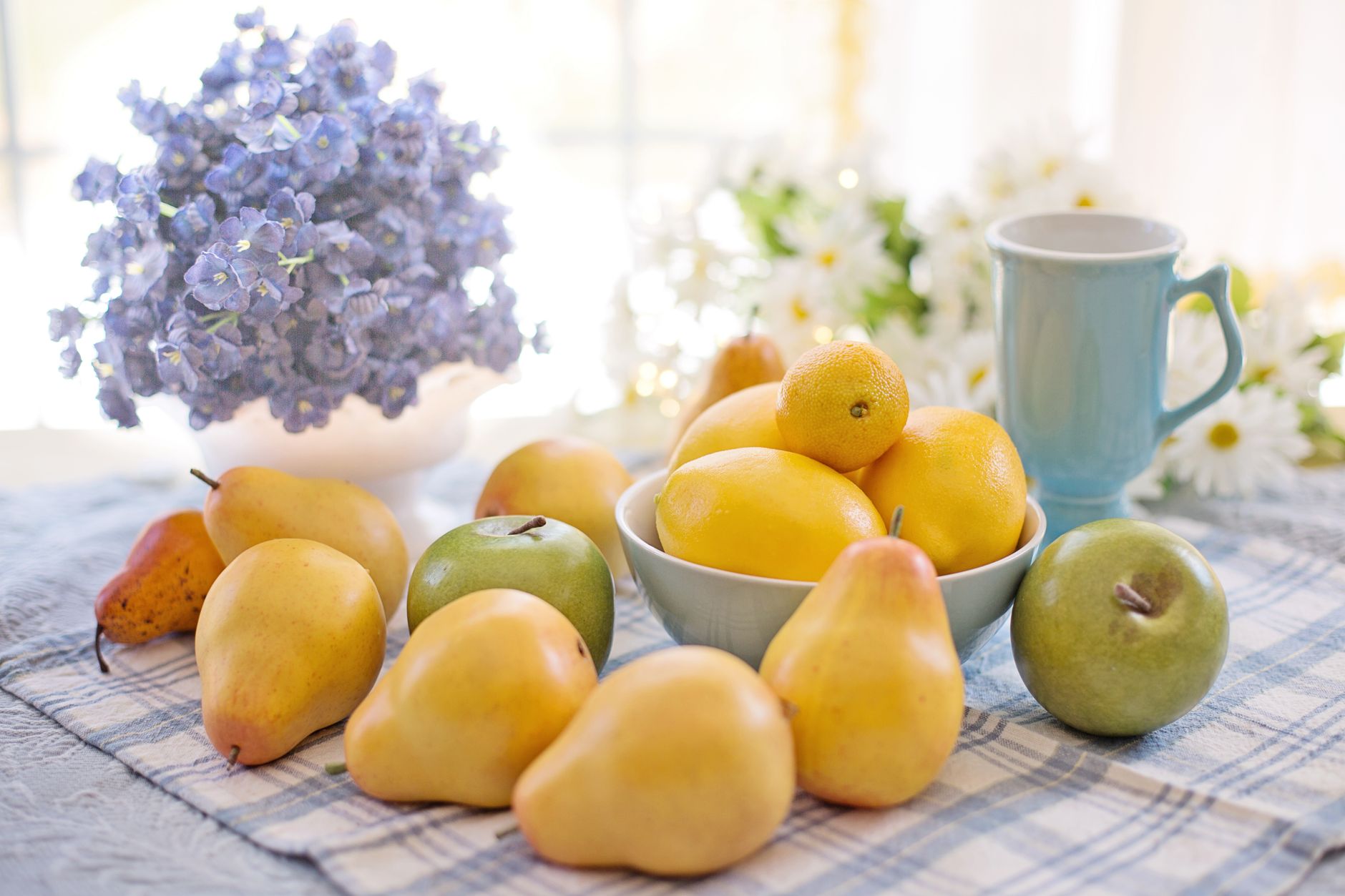
As spring unfolds, April brings a delightful assortment of fresh fruits to the markets. The changing season means more options for vibrant, flavorful produce that can enhance your meals and snacks. Understanding which fruits are in season this month not only helps you enjoy peak flavors but can also offer cost benefits as they are typically more abundant.
This guide will explore the fruits you can expect to find in season during April. We’ll look at their flavors, uses, and some shopping tips to help you select the best produce available. Whether you’re planning meals, snacks, or desserts, knowing what’s in season can elevate your culinary experience.
What Fruits Are in Season in April?
In April, you can find a variety of fruits that showcase the sweet and refreshing qualities of spring. Some of the most common fruits you can expect include:
- Strawberries
- Apricots
- Mangos
- Cherries
- Rhubarb
- Kiwi
- Pineapple
- Oranges
Exploring Each Fruit: Flavors and Culinary Uses
Strawberries
Strawberries are among the first fruits to signal spring. Their vibrant red color and sweet, juicy flavor make them a favorite in both sweet and savory dishes. Whether eaten fresh, blended into smoothies, or baked into desserts, strawberries can easily elevate any recipe.
- Flavor: Sweet and slightly tart
- Uses: Salads, smoothies, desserts, jams
- Storage: Keep in the refrigerator and consume within a few days for optimal freshness.
Apricots
Apricots are small, orange fruits with a delicate and sweet flavor. Their unique taste can enhance both savory dishes and desserts. In April, fresh apricots can generally be found, although they’re more commonly enjoyed later in the season.
- Flavor: Sweet and mildly tart
- Uses: Salads, pastries, and preserves
- Storage: Store in the refrigerator and consume within a week after ripening.
Mangos
Mangos are often found in markets during April, with their sweet and juicy flesh being perfect for tropical-inspired dishes. They can be enjoyed fresh or incorporated into smoothies, salsas, and salads.
- Flavor: Sweet and fragrant
- Uses: Smoothies, salads, salsas, desserts
- Storage: Keep at room temperature until ripe, then refrigerate.
Cherries
The arrival of cherries in April marks the beginning of cherry season, and they offer a sweet, juicy bite. Their flavors can vary from sweet to tart, depending on the variety. Use cherries in desserts, salads, or simply enjoy them as a snack.
- Flavor: Sweet or tart
- Uses: Pies, salads, snacks, and sauces
- Storage: Store in the refrigerator for up to a week; consume promptly for freshness.
Rhubarb
Rhubarb is technically a vegetable, but it is often treated as a fruit in culinary preparations, especially in desserts. Its tartness pairs perfectly with sweeter ingredients like strawberries.
- Flavor: Tart and tangy
- Uses: Pies, cobblers, jams, and sauces
- Storage: Keep in the refrigerator for up to a week; ensure it’s wrapped to avoid it drying out.
Kiwi
Kiwi is both visually appealing and flavorful, with its fuzzy exterior and vibrant green flesh. Its sweet and tangy flavor adds bright notes to fruit salads or can be enjoyed alone.
- Flavor: Sweet with tangy undertones
- Uses: Salads, desserts, and smoothies
- Storage: Can be kept at room temperature until ripe and then refrigerated.
Pineapple
Pineapple’s sweet and tangy flavor makes it a versatile fruit for both cooking and snacking. In April, pineapple is often sweet and juicy, making it a great addition to savory dishes and desserts.
- Flavor: Sweet and tangy
- Uses: Salads, salsas, grilled dishes, drinks
- Storage: Cut pineapple should be stored in the refrigerator and consumed within a few days.
Oranges
Oranges are typically in season during the late winter to early spring months. Their refreshing, juicy segments make them perfect for snacking, juicing, or including in salads.
- Flavor: Sweet and juicy
- Uses: Snacks, juices, salads, desserts
- Storage: Keep at room temperature for a few days or in the refrigerator to prolong freshness.
Shopping Tips for April Fruits
When shopping for seasonal fruits in April, consider the following tips to ensure you select the best produce:
- Look for local sources: Farmers’ markets and local vendors often have the freshest options as these fruits are harvested at their peak.
- Check for ripeness: Some fruits, like mangoes and avocados, continue to ripen after purchase. Gently squeeze them to check for firmness.
- Buy in small quantities: Purchase smaller amounts to maintain freshness, especially for quickly perishable fruits like strawberries and cherries.
- Avoid pre-packaged options: Whenever possible, choose loose fruit. This allows for better inspection, ensuring you select the ripest specimens.
Using Seasonal Fruits in Your Cooking
Incorporating seasonal fruits into your meals can enhance flavors, create beautiful presentations, and provide essential nutrients. Here are some practical ways to use these fruits in your cooking:
Breakfast Ideas
- Top oatmeal or yogurt with fresh strawberries, sliced kiwis, or diced mango for a nutritious start to the day.
- Prepare a smoothie with a blend of banana, spinach, and pineapple for a refreshing morning boost.
- Make a vibrant fruit salad combining oranges, apricots, and cherries for a colorful breakfast treat.
Lunch Options
- Add sliced strawberries or oranges to salads to introduce a sweet contrast to savory greens.
- Prepare a tropical salsa with mango, pineapple, cilantro, and lime to accompany grilled chicken or fish.
- Incorporate diced kiwi into a quinoa salad for added flavor and nutrition.
Dinner Pairings
- Use rhubarb to create a tangy sauce that can accompany grilled meats.
- Grill slices of pineapple or peaches as a side dish for barbecued ribs or chicken.
- Combine cherries in a reduction sauce to accompany roasted duck for a gourmet dish.
Sweet Treats
- Bake a classic strawberry rhubarb pie for a delightful dessert that showcases the season’s fruits.
- Create a fruit galette with apricots and cherries on a flaky pastry crust for a rustic dessert.
- Blend fruits like mango and oranges to make sorbet or popsicles for a refreshing treat.
Budget-Friendly Tips for Buying Seasonal Fruits
Eating in season can be a great way to save money on groceries. Here are some tips to keep your budget in check while maximizing flavor:
- Buy in bulk: If you find a great deal on fruits, consider buying in bulk. You can freeze what you don’t use immediately for future smoothies or baking.
- Plan meals around sales: Check your local grocery store’s sales flyers to plan meals and snacks around what’s on sale that week.
- Join local co-ops: Community-supported agriculture (CSA) programs can provide a variety of fresh, local fruits and vegetables at competitive prices.
Preserving Seasonal Fruits
With an abundance of seasonal fruits, it might be wise to consider ways to preserve them for later use. Here are some methods:
Freezing
Freezing is a simple way to preserve fruits while maintaining their nutritional benefits. Here’s how:
- Wash and prepare the fruits by removing any stems or cores.
- Slice or chop as desired.
- Spread the fruit in a single layer on a baking sheet and freeze until solid. This prevents them from clumping together.
- Transfer the frozen fruit into airtight containers or freezer bags for long-term storage.
Canning
For those interested in canning, fruit preserves and jams are popular options. Below are general steps to make delicious fruit preserves:
- Prepare the fruit by washing, peeling, and chopping.
- Combine the fruit with sugar and lemon juice in a pot, and cook until the mixture reaches the desired thickness.
- Pour the hot preserves into sterilized jars and seal them properly for storage.
Dehydrating
Dehydrating fruits is another preservation method. This concentrates their flavors and extends shelf life:
- Wash and slice the fruits thinly.
- Use a food dehydrator or arrange the fruit slices on a baking sheet and place them in a low-temperature oven until dry.
- Store the dehydrated fruit in airtight containers in a cool, dark place.
Conclusion
Understanding what fruits are in season in April opens up a world of flavor, artistic presentation, and cooking creativity. Incorporating these seasonal fruits not only enhances your dishes but also supports local farmers and reduces your carbon footprint. Take advantage of this vibrant array of fruits to elevate your meals.
For further exploration, consider learning more about ripe mangos or how to freeze watermelon for future enjoyment. Enjoy the freshness of this season!