
Picture this: a warm loaf of crusty bread, fresh from the oven, slathered with a colorful array of flavored butters. This is the magic of a Butter Board, a delightful and interactive way to enjoy butter like never before. It’s special because it transforms simple ingredients into an eye-catching appetizer or side dish that sparks conversation and invites everyone to dig in. The creamy texture of butter paired with fresh herbs, spices, and a hint of sweetness creates a flavor explosion that’s both comforting and thrilling. Ready to make your own? Let’s gather our ingredients and get started!
Why You’ll Love This Recipe
This Butter Board is a perfect blend of flavor and creativity.
- Quick to prepare—perfect for unexpected guests.
- Visually stunning and customizable for any occasion.
- Ideal for pairing with a variety of breads and crackers.
- Great way to explore different flavor combinations.
- Always a crowd-pleaser at parties and gatherings.
My Experience Making This Recipe
Creating my first Butter Board was surprisingly fun, and the best part? The endless possibilities! Each butter I created felt like a mini masterpiece, and the vibrant colors made my kitchen feel alive.
When I served it, everyone gathered around, eagerly spreading the butter on fresh bread. The smiles and compliments were priceless, and it made me realize how simple ingredients can bring joy to a gathering.
Recipe Overview
- Recipe Name: Butter Board
- Servings: 8
- Prep Time: 10 minutes
- Cook Time: 0 minutes
- Total Time: 10 minutes
- Course: Appetizer
- Cuisine: International
- Calories per Serving: 150
Equipment You Will Need
- Mixing bowl
- Spatula or butter knife
- Cutting board
- Serving platter
- Measuring spoons
Ingredients for Butter Board
- 1 cup unsalted butter, softened
- 1 tablespoon fresh herbs (such as parsley, chives, or thyme)
- 1 teaspoon sea salt, to taste
- 1 tablespoon honey, for sweetness (optional)
- 1 teaspoon garlic powder, for a savory kick (optional)
- Freshly cracked pepper, to taste
- Assorted toppings (like crushed red pepper, lemon zest, or nuts)
Ingredient Notes and Substitutions
- Unsalted butter: It provides a neutral base for the flavors. You can use salted butter but reduce additional salt.
- Fresh herbs: They add a burst of freshness. Dried herbs can be used but will have a different flavor.
- Honey: It balances the savory flavors. Maple syrup is a great alternative for a different sweetness.
- Garlic powder: It enhances the flavor profile. Fresh minced garlic can be used if you prefer a stronger taste.
- Sea salt: It brings out all the flavors. Regular table salt can work, but use less as it is more concentrated.
How to Make Butter Board
Step 1: Soften the Butter
Start by letting your butter sit at room temperature until it’s soft. This makes it easy to spread and mix with other ingredients.
Step 2: Mix the Base
In a mixing bowl, combine the softened butter with a pinch of sea salt. This basic seasoning enhances the butter’s natural flavor and sets the foundation for any additions.
Step 3: Add Fresh Herbs
Stir in your choice of fresh herbs until evenly distributed. This adds freshness and color, making your butter more vibrant.
Step 4: Incorporate Optional Ingredients
Mix in honey or garlic powder if you’re using them. These ingredients elevate the flavor and create a unique twist.
Step 5: Adjust Seasoning
Taste the butter and adjust the salt or add freshly cracked pepper. The balance of flavors is crucial for a delicious outcome.
Step 6: Transfer to Serving Platter
Spoon the butter mixture onto a serving platter. Use the spatula to create waves or swirls, making it visually appealing.
Step 7: Add Toppings
Sprinkle your choice of toppings over the butter. This not only adds texture but also a pop of flavor and color.
Step 8: Serve with Bread
Present the butter board alongside assorted breads and crackers. This encourages guests to dig in and customize their own bites.
Pro Tip: Use room temperature butter, as it blends better with other ingredients and makes spreading easier.
Tips for the Best Butter Board
- Experiment with different herbs and spices to find your favorite combination.
- Always use fresh ingredients to ensure vibrant flavor.
- Chill the board briefly before serving for a firmer texture if desired.
- Offer a variety of bread types to complement the different butter flavors.
- Don’t be afraid to get creative with sweet and savory toppings.
Common Mistakes to Avoid
- Using cold butter: It won’t mix well and will be difficult to spread. Always start with softened butter.
- Skipping seasoning: Lack of salt can make the butter bland. Seasoning enhances the overall flavor.
- Overcomplicating: Too many flavors can clash. Keep it simple and focus on a few key ingredients.
- Not tasting: Always taste and adjust seasoning before serving. It ensures the flavors are just right.
Serving Suggestions
This Butter Board is delightful on its own but pairs beautifully with various options. Consider serving it with:
- Crusty baguette slices
- Assorted crackers
- Roasted vegetables
- Grilled meats
- Fresh fruit
Variations to Try
- Add citrus zest for a bright, refreshing flavor.
- Incorporate sun-dried tomatoes for a Mediterranean twist.
- Use smoked paprika for a subtle smokiness in the butter.
- Mix in cheese, like feta or goat cheese, for extra creaminess.
- Try using flavored oils, like chili or basil, for unique butter variations.
Dietary Adaptations
- Gluten-free: Serve with gluten-free crackers and breads.
- Dairy-free: Use plant-based butter alternatives for a vegan option.
- Low-carb/keto: Pair with sliced vegetables instead of bread.
Storage and Reheating
Refrigerator
Store any leftover butter in an airtight container in the fridge.
- It will last up to one week.
- Bring it back to room temperature before serving again.
Freezer
You can freeze flavored butter for longer storage.
- Wrap it tightly in plastic wrap and place in a freezer-safe bag.
- It will last up to three months.
Reheating
There’s no need to reheat butter, but if you want it softer, let it sit out for a bit.
- Microwaving is not recommended as it can melt it unevenly.
Nutrition Information
| Nutrient | Amount |
|---|---|
| Calories | 150 |
| Total Fat | 15g |
| Saturated Fat | 10g |
| Carbohydrates | 1g |
| Fiber | 0g |
| Sugar | 0g |
| Protein | 0g |
| Sodium | 120mg |
| Cholesterol | 30mg |
This nutrition information is an estimate and may vary based on specific ingredients used.
Frequently Asked Questions
Can I make the butter ahead of time?
Absolutely! You can prepare the butter a day in advance and store it in the refrigerator.
What can I substitute for fresh herbs?
Dried herbs can work, but use them sparingly as they are more concentrated in flavor.
How should I store leftovers?
Keep any leftover butter in an airtight container in the refrigerator for up to a week.
Can I freeze the butter?
Yes, you can freeze it for up to three months. Just wrap it tightly before freezing.
What’s the best type of bread to serve with it?
Crusty baguettes and artisan breads are perfect, but any bread or cracker will do.
Final Thoughts
Making a Butter Board is not just about the butter; it’s about creating a shared experience. I encourage you to try this recipe and put your own spin on it.
Explore the joy of butter in different flavors and let your creativity shine! If you enjoyed this, check out my Butter Swim Biscuits or try the delicious Cowboy Butter for more fun in the kitchen.
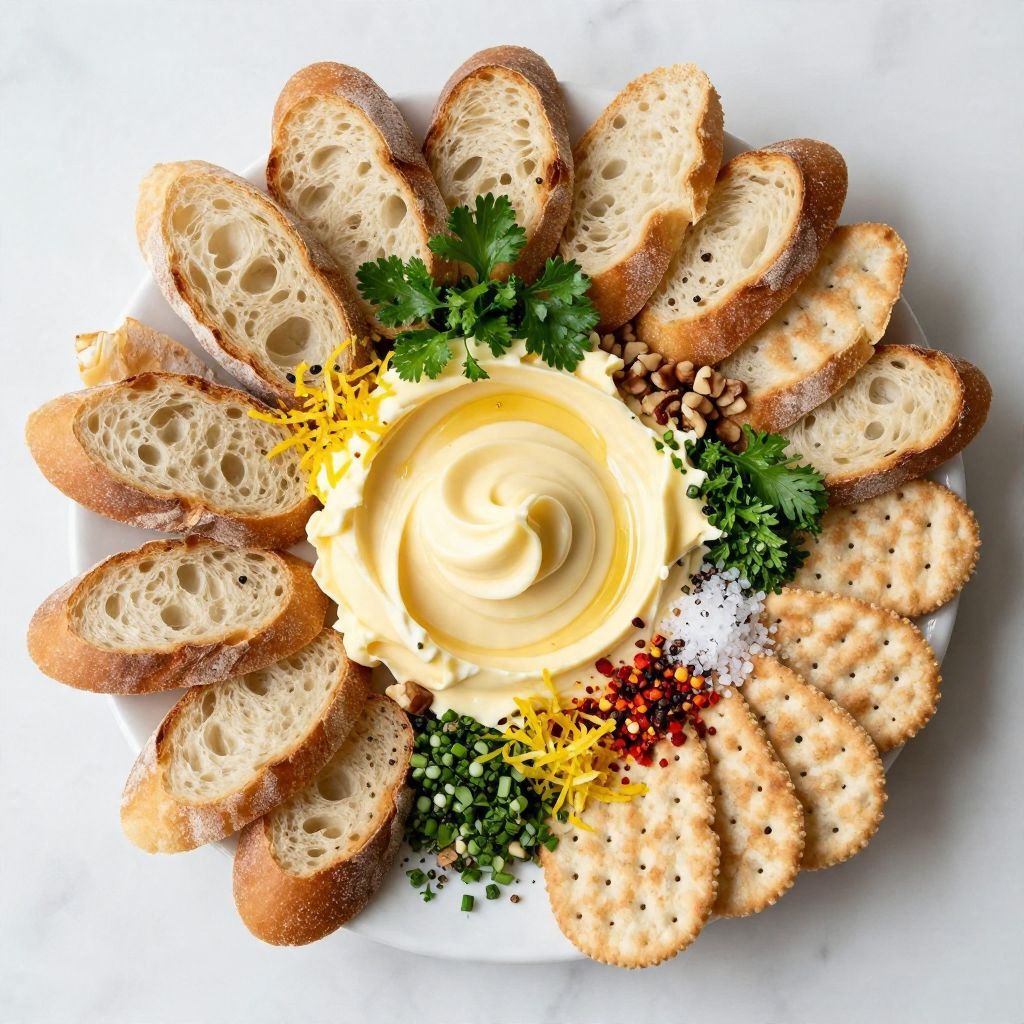
Butter Board
Ingredients
Equipment
Method
- Start by letting your butter sit at room temperature until it’s soft.
- In a mixing bowl, combine the softened butter with a pinch of sea salt.
- Stir in your choice of fresh herbs until evenly distributed.
- Mix in honey or garlic powder if you're using them.
- Taste the butter and adjust the salt or add freshly cracked pepper.
- Spoon the butter mixture onto a serving platter.
- Use the spatula to create waves or swirls, making it visually appealing.
- Sprinkle your choice of toppings over the butter.
- Present the butter board alongside assorted breads and crackers.