
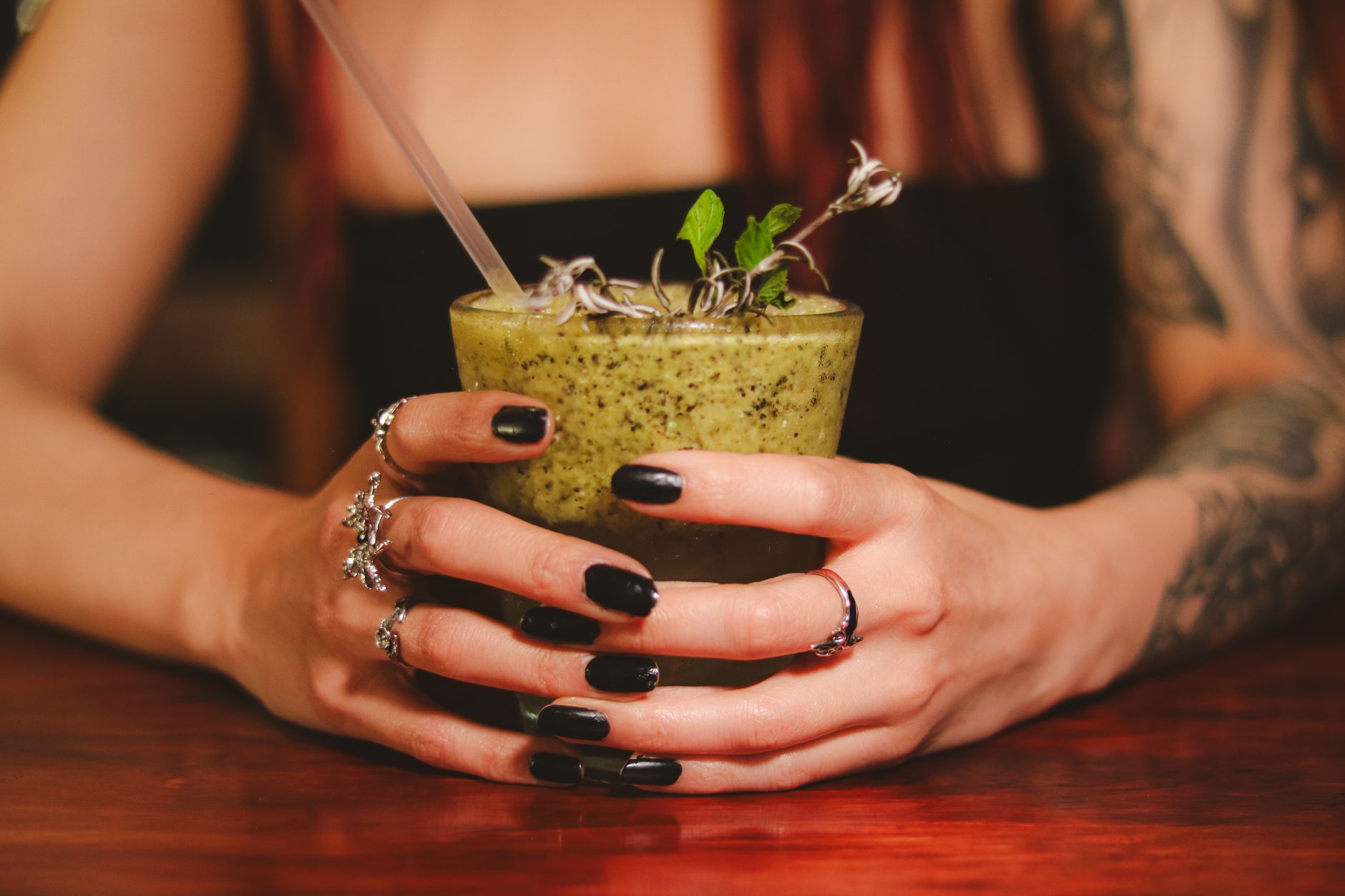
Iron is an essential mineral that plays a crucial role in various bodily functions, including oxygen transport and immune system support. While many people associate iron primarily with solid foods, there are plenty of drinks that also provide a boost of this important nutrient. This article explores an array of beverages rich in iron, complete with their nutritional content and serving sizes.
Whether you’re looking to enhance your iron intake for health reasons or simply to diversify your dietary sources, this guide will help you identify which drinks can complement your nutritional goals.
What Drinks Have Iron?
Several drinks naturally contain iron or are fortified with it, making them viable options for increasing your iron intake. These drinks include various juices, herbal teas, and some plant-based milks. Understanding the iron content in these beverages can assist in making informed choices about your diet.
Iron Content in Various Drinks
Below is a breakdown of drinks that contain iron, along with their approximate iron content per serving, and additional nutritional information to give you a well-rounded view.
1. Spinach Juice
Spinach is one of the richest plant sources of iron, and when juiced, it makes a nutritious drink. A typical serving of spinach juice (about 1 cup) can provide about 6.4 mg of iron.
- Serving Size: 1 cup (240 ml)
- Iron Content: Approximately 6.4 mg
- Calories: 41
- Vitamin C: Enhances iron absorption
2. Beet Juice
Beets are not only vibrant in color but also rich in iron and nitrates. An 8-ounce serving of beet juice offers about 1.1 mg of iron.
- Serving Size: 1 cup (240 ml)
- Iron Content: Approximately 1.1 mg
- Calories: 65
- Benefits: May help improve endurance and blood flow
3. Fortified Plant-Based Milk
Certain brands of plant-based milk, such as almond, soy, and oat milk, are often fortified with iron. The iron content can vary widely among brands, but many provide about 0.9 to 1.5 mg of iron per 1 cup serving.
- Serving Size: 1 cup (240 ml)
- Iron Content: Approximately 0.9 to 1.5 mg
- Varieties: Almond milk, Soy milk, Oat milk
- Additional Nutrients: Often fortified with calcium, vitamin D, and B vitamins
4. Lentil Soup
If you’re looking for something hearty, a drink made from lentil soup can offer a healthy dose of iron. One cup of lentil soup provides around 3.3 mg of iron.
- Serving Size: 1 cup (240 ml)
- Iron Content: Approximately 3.3 mg
- Calories: 180
- Fiber: High in fiber, promoting digestive health
5. Prune Juice
This sweet beverage is not only excellent for digestive health but also offers iron. One cup of prune juice contains about 3.0 mg of iron.
- Serving Size: 1 cup (240 ml)
- Iron Content: Approximately 3.0 mg
- Calories: 182
- Additional Benefits: Supports digestive health and can help regulate blood sugar levels
6. Red Wine
Red wine contains iron naturally, albeit in small amounts. A 5-ounce glass can provide about 0.5 mg of iron.
- Serving Size: 5 oz (150 ml)
- Iron Content: Approximately 0.5 mg
- Calories: Around 125
- Antioxidants: Contains flavonoids that may offer health benefits
7. Coconut Water
This refreshing drink is low in calories and can provide a small amount of iron—about 0.5 mg per cup—along with hydration benefits.
- Serving Size: 1 cup (240 ml)
- Iron Content: Approximately 0.5 mg
- Calories: Approximately 46
- Electrolytes: Rich in potassium and other electrolytes
8. Herbal Teas
Certain herbal teas, particularly nettle or dandelion tea, can provide some iron. A cup of nettle tea may offer about 1.3 mg of iron.
- Serving Size: 1 cup (240 ml)
- Iron Content: Approximately 1.3 mg
- Health Benefits: Anti-inflammatory and high in antioxidants
9. Fortified Juices
Many fruit juices, especially those targeted towards children, are fortified with iron. For example, a cup of fortified orange juice can contain about 1.5 mg of iron.
- Serving Size: 1 cup (240 ml)
- Iron Content: Approximately 1.5 mg
- Vitamin C: Helps enhance non-heme iron absorption
10. Smoothies
Custom smoothies can be a great way to incorporate iron-rich ingredients such as dark leafy greens (kale or spinach) combined with bananas or berries. Depending on the recipe, a 1- to 2-cup serving can range from 1.5 mg to 5 mg of iron.
- Serving Size: 1 to 2 cups (240-480 ml)
- Iron Content: Approximately 1.5 to 5 mg, depending on ingredients
- Other Benefits: Adds a variety of vitamins and minerals depending on your fruit and vegetable choices
Understanding Iron Types
When evaluating iron content in food and drink, it’s essential to differentiate between heme and non-heme iron. Heme iron, found in animal-based products, is more easily absorbed by the body than non-heme iron, which is predominantly found in plant-based sources and fortified drinks.
Including vitamin C-rich beverages (like orange juice) can enhance the absorption of non-heme iron, making it beneficial to pair them when consuming iron-rich drinks.
Practical Tips for Including Iron-Rich Drinks in Your Diet
To maximize iron absorption and ensure you are incorporating a diverse range of iron-rich drinks, consider the following tips:
- Pair with Vitamin C: Consume iron-rich drinks alongside vitamin C sources to enhance absorption. An example is having spinach juice with a banana or a fortified juice with a serving of berries.
- Balance Your Meals: Incorporate iron-rich drinks as a part of balanced meals; for example, start your day with a smoothie made of spinach and orange juice.
- Avoid Certain Beverages at Mealtime: Limit coffee or tea around meal times, as they may inhibit iron absorption when consumed with meals.
- Experiment with Recipes: Create refreshing smoothies using iron-rich ingredients like spinach, beetroot, and fortified plant-based milk.
Common Mistakes and Troubleshooting
While incorporating iron-rich drinks, be aware of some common pitfalls:
- Misunderstanding Fortification: Not all plant-based milks or juices are fortified with iron; always check labels to ensure you’re getting a sufficient amount.
- Over-reliance on One Source: Diversifying your drink options can help ensure a well-rounded intake of iron and other nutrients.
- Neglecting Balance: Iron intake should be part of an overall balanced diet, including other vitamins and minerals.
Conclusion
Understanding which drinks contain iron can help you make informed choices to boost your iron intake. Whether you opt for spinach juice, fortified plant-based milk, or any of the other beverages discussed, integrating these drinks into a balanced diet can contribute positively to your nutritional goals.
Explore additional resources about what has iron and how much protein is in spinach to further enhance your dietary knowledge!