
Popcorn is a beloved snack enjoyed at movie theaters and home gatherings alike. But have you ever wondered what kind of corn is used to create those delightful, fluffy kernels? Understanding the specifics of popcorn corn can enhance your appreciation for this popular treat and improve your own popcorn-making skills.
This article will explore the varieties of corn used for popcorn, its unique characteristics, flavors, and various cooking methods, along with practical tips for achieving the best results in your kitchen.
What Kind of Corn Is Popcorn?
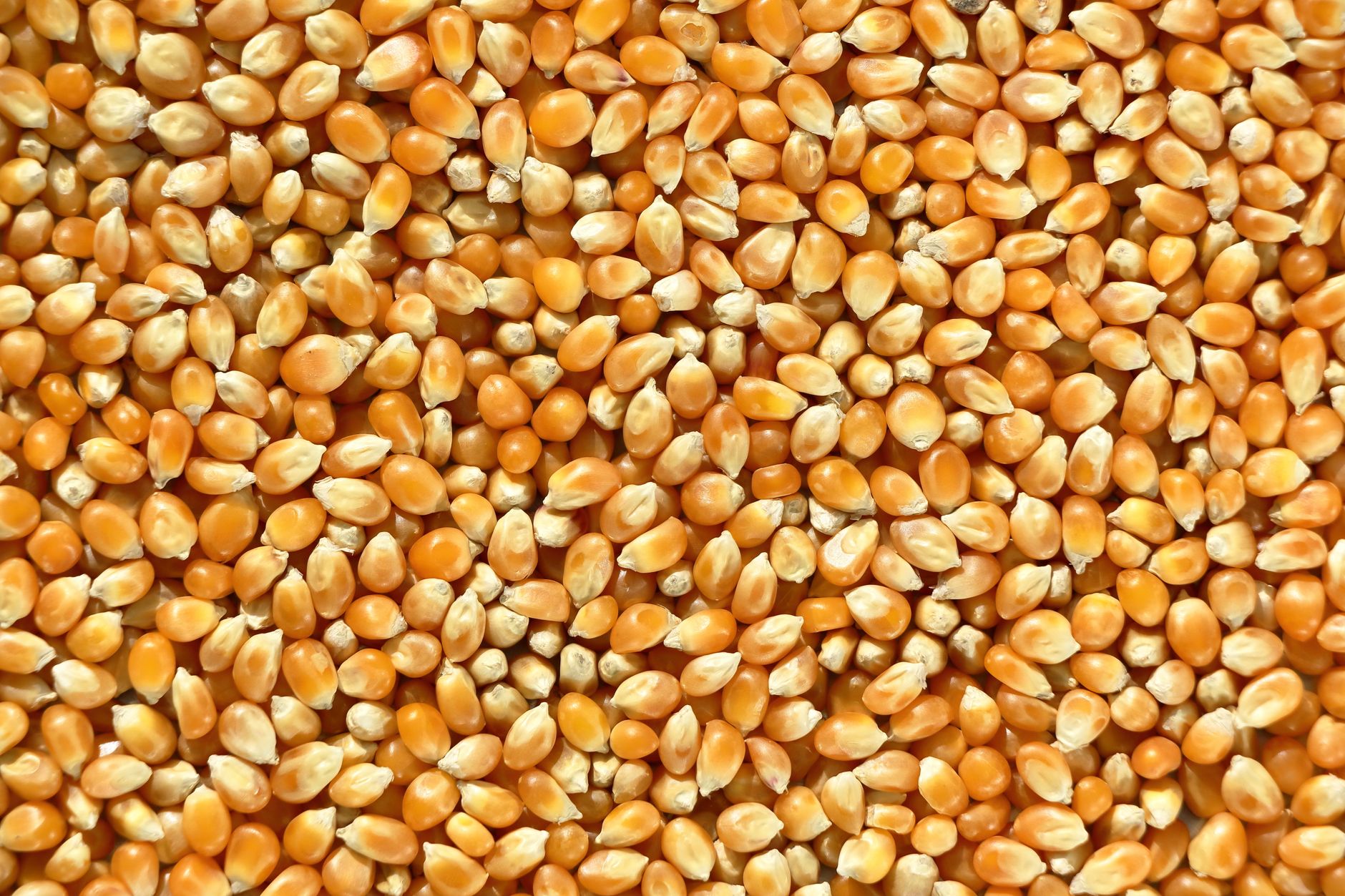
Popcorn is a specific type of corn known scientifically as Zea mays everta. It is distinct from other varieties like sweet corn and field corn due to its unique kernel structure, moisture content, and hardness that allow it to pop effectively when heated. The outer shell, called the pericarp, is both tough and impervious to moisture, which helps trap steam until the pressure becomes sufficient for popping.
Characteristics of Popcorn Corn
Understanding the specific characteristics of popcorn can help you make better choices in preparation and cooking. Here are the defining features:
- Kernel Structure: Popcorn kernels are smaller and harder than other corn types. The hull is exceptionally strong, allowing the steam to build up until the kernel explodes.
- Moisture Content: For optimal popping, the moisture content within popcorn kernels typically ranges from 13.5% to 14.5%. This balance is crucial for creating the steam needed for the popping process.
- Popping Expansion: When heated, popcorn kernels can expand to 20 to 30 times their original size, resulting in the fluffy texture we love.
- Varieties: There are multiple varieties of popcorn, each characterized by different shapes and flavors. Some popular types include butterfly, mushroom, and hulless popcorn.
Types of Popcorn
While all popcorn comes from the same species, there are a few well-known varieties, each with unique characteristics that can influence flavor and cooking methods:
1. Butterfly Popcorn
Butterfly popcorn is characterized by its irregular, fluffed-out shape that resembles a butterfly’s wings. This popcorn type is popular for its lightness and ability to hold flavors, making it a favorite choice for movie theaters and home popcorn enthusiasts.
2. Mushroom Popcorn
Mushroom popcorn pops into a round, compact shape. It’s denser and sturdier than butterfly popcorn, making it ideal for coating with caramel or other toppings. This variety is popular in snack mixes and specialty flavored popcorn.
3. Hulless Popcorn
Hulless popcorn is a misnomer because all popcorn has a hull, but these kernels have thinner, smaller hulls that virtually disappear upon popping. While they still contain a hull, the small amount often makes them less noticeable, providing a more enjoyable snacking experience.
4. White and Yellow Popcorn
White and yellow popcorn are the two most common color types encountered commercially. White popcorn tends to have a lighter flavor and a more tender texture, while yellow popcorn is generally larger and has a slightly nuttier taste, making it a popular choice for buttered popcorn. Nutritional values are similar between the two.
Flavor Profile of Popcorn
Popcorn has a mild, slightly nutty flavor that can be enhanced or altered through various seasonings. The base flavor is versatile enough to support both sweet and savory toppings. Some common flavors people enjoy include:
- Buttered: A classic topping for popcorn, adding richness and a savory note.
- Cheddar Cheese: Adds a sharp, tangy flavor, popular for movie theater popcorn.
- Caramel: This sweet topping creates a delightful contrast with the crunchy texture of popcorn.
- Spicy Seasonings: Seasonings like chili powder, paprika, or garlic powder can add a robust kick.
Cooking Methods for Popcorn
Preparing popcorn at home is a simple process that can be done using various methods. Here are some popular techniques to enjoy your popcorn:
1. Stovetop Popcorn
Making popcorn on the stovetop allows for precise control over cooking times and flavoring. Here’s how to do it:
- Ingredients:
- 1/2 cup popcorn kernels
- 3 tablespoons vegetable oil (or your preferred cooking oil)
- Salt to taste
- Equipment:
- A large, heavy-bottomed pot with a tight-fitting lid
- A heat source (stovetop)
- Heat the oil in the pot over medium heat. To test when it’s hot enough, add a couple of kernels to the pot. When they pop, the oil is ready.
- Add the remaining popcorn kernels and cover the pot. Shake it occasionally to prevent burning.
- Once the popping slows down (about 2 to 3 seconds between pops), remove the pot from heat.
- Carefully uncover the pot—watch for steam—then season with salt and any additional toppings of your choice before serving.
2. Air-Popped Popcorn
Air-popping is a health-conscious method that uses hot air to pop the kernels without oil. This results in a lower-calorie snack. Here’s how to air-pop popcorn:
- Ingredients:
- 1/2 cup popcorn kernels
- Salt to taste
- Equipment:
- An air popper
- A large bowl for serving
- Follow the manufacturer’s instructions for your air popper to pop the kernels.
- Once popped, season with salt or your desired toppings and enjoy.
3. Microwave Popcorn
If you’re looking for convenience, microwave popcorn offers a quick solution. You can purchase pre-packaged microwave popcorn or create your own in a microwave-safe container. Here’s a simple guide:
- Ingredients:
- 1/3 cup popcorn kernels
- Salt and melted butter (optional)
- Equipment:
- A microwave-safe bowl with a lid or a microwave popcorn popper
- Place the kernels in a microwave-safe bowl and cover it with a lid or plate.
- Microwave on high for about 2 to 4 minutes or until the popping slows down to about 2 seconds between pops.
- Carefully remove the bowl from the microwave, uncover, and season as desired.
Common Mistakes When Making Popcorn
Even though popcorn is generally easy to prepare, some common mistakes can lead to disappointing results. Awareness of these issues can enhance your popcorn-making skills:
- Using Old Kernels: Popcorn kernels that have been sitting for too long may lack the moisture needed to pop properly. Always check the expiration date for optimal freshness.
- Using Too Much Heat: Cooking kernels at too high a temperature can lead to burning rather than popping. Maintain an even medium heat for stovetop poppers.
- Not Shaking the Pot: For stovetop popcorn, if you do not shake the pot occasionally, kernels at the bottom may burn before others pop.
- Skipping the Seasoning: To enhance flavor, don’t forget to season your popcorn while it’s still warm, as this helps the toppings stick better.
Storage and Reheating of Popcorn
Popcorn is best enjoyed fresh, but if you have leftovers, proper storage is essential for maintaining taste and texture. Here are some tips:
- Storage: Store any leftover popcorn in an airtight container at room temperature. Avoid refrigeration, as it can make popcorn chewy due to moisture.
- Reheating: To revitalize stale popcorn, briefly put it in the microwave for a few seconds (10-20 seconds) to refresh its crunchiness.
Conclusion
Understanding what kind of corn popcorn is composed of, along with its characteristics and cooking methods, ensures a delightful snacking experience. Whether you prefer buttery, cheesy, or sweet popcorn, there are numerous methods to achieve your desired flavor and texture in the comfort of your own kitchen.
For more fun popcorn insights, consider checking out how popcorn is made or learning if chickens can eat popcorn. With these resources, you can create delectable snacks and discover the culinary versatility of corn.