
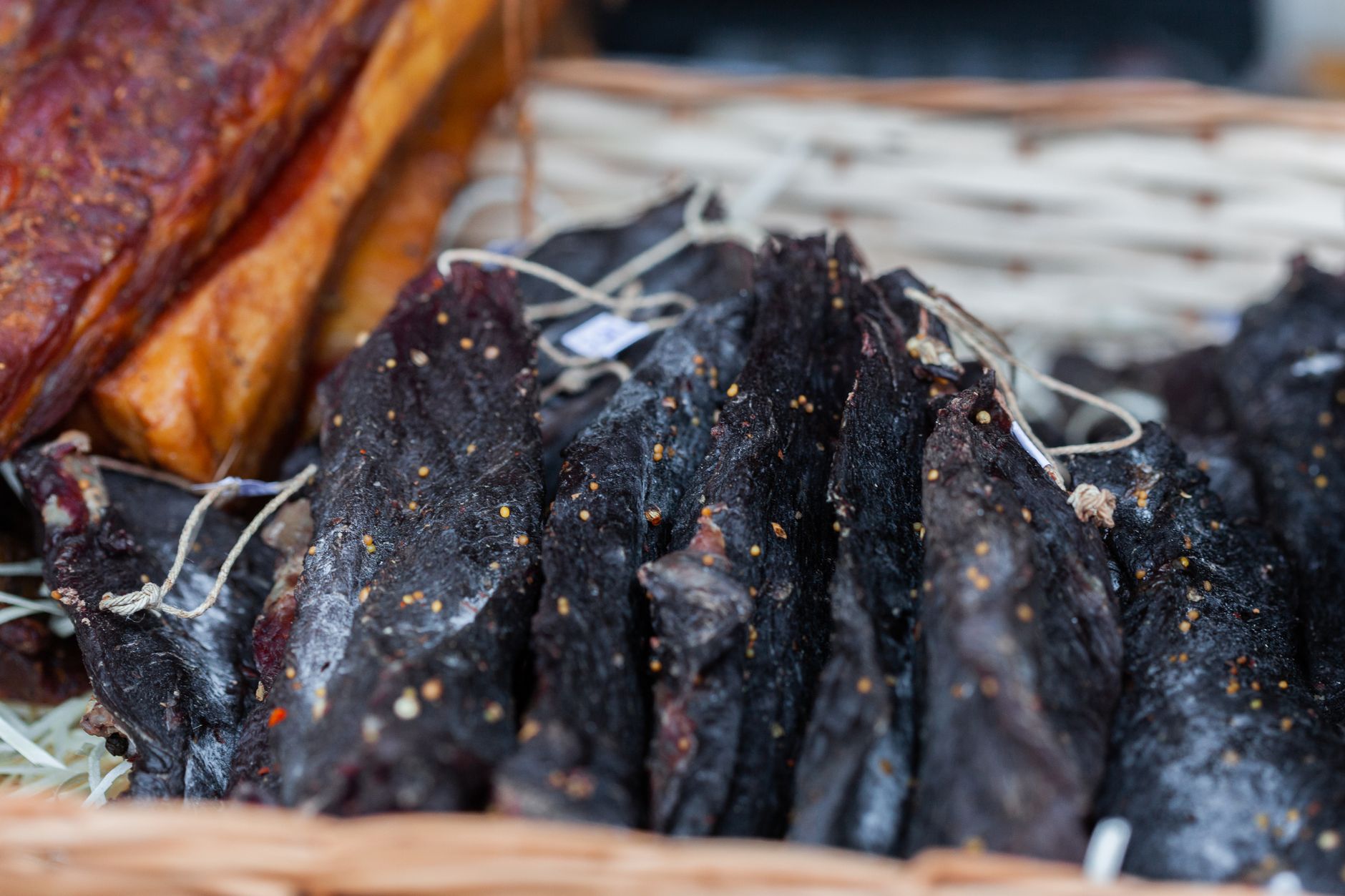
Pregnancy brings a number of dietary considerations, making expectant mothers more cautious about their food choices. One such question that often arises is whether beef jerky is safe to consume during pregnancy. As a high-protein snack, beef jerky can be convenient, but its safety and nutritional value need careful examination.
This article aims to provide clarity on the topic, discussing the potential risks, nutritional aspects, preparation methods, and recommended portions for beef jerky during pregnancy. By understanding these factors, you can make informed eating choices.
Can I Have Beef Jerky While Pregnant?
The short answer is that you can eat beef jerky while pregnant, but it’s essential to choose wisely regarding the type, ingredients, and quantity. Beef jerky can provide protein and nutrients; however, certain risks associated with its consumption during pregnancy must be considered.
Understanding Beef Jerky: What It Is
Beef jerky is a dried, cured meat that is often seasoned with various spices and flavors, making it a popular convenience snack. Its high protein content is appealing, providing an energy boost. However, it is usually high in sodium and can have preservatives that may not be ideal for pregnant women.
Nutritional Value of Beef Jerky
Before consuming beef jerky, it is beneficial to understand its nutritional profile:
- Protein: About 9 grams per ounce.
- Sodium: Can contain 600-1,200 mg per serving.
- Fat: Ranges from 1-3 grams per ounce, depending on cut.
- Calories: Approximately 70-100 calories per ounce.
This nutritional composition can be beneficial in moderation, especially for pregnant women needing extra protein. However, it’s crucial to balance this with sodium intake, as high sodium levels can lead to issues such as high blood pressure.
Potential Risks of Eating Beef Jerky During Pregnancy
While beef jerky can be a protein-rich snack, several risks may arise from its consumption during pregnancy:
1. Sodium Content
The high salt content of beef jerky can contribute to elevated blood pressure, which is especially concerning during pregnancy. Excessive sodium may lead to fluid retention and swelling, both of which are common in pregnant women.
2. Listeria and Foodborne Illnesses
Pregnant women are at increased risk for foodborne illnesses due to a weakened immune system. Listeria, a serious infection that can be contracted through contaminated food, is particularly concerning as it can pose risks to the developing fetus. Although the drying process kills many pathogens, it does not eliminate the risk of contamination, especially if the jerky is not from a reputable source.
3. Preservatives and Additives
Some commercial beef jerky products contain preservatives like sodium nitrite, which is used to enhance shelf life and color. Nitrites have been a subject of concern regarding their health impacts, particularly during pregnancy. Checking the ingredient list for minimally processed options is advisable.
4. Portion Control
Due to the concentrated nature of jerky, portions should be controlled. Eating too much can lead to excessive sodium intake and potential gastrointestinal discomfort.
Making Safe Choices When Consuming Beef Jerky
If you decide to incorporate beef jerky into your pregnancy diet, it’s crucial to choose wisely to minimize risks:
1. Choose High-Quality Products
Opt for jerky brands that use minimal ingredients, preferably without artificial preservatives. Look for organic or grass-fed options that use natural methods of preservation.
2. Check for Nutritional Information
Always read labels to check sodium levels and serving sizes. Aim for brands with lower sodium content to help maintain balanced blood pressure.
3. Be Mindful of Portions
Portion size should generally remain small. An ounce or two can provide a good protein boost without going overboard on sodium.
4. Consider Homemade Jerky
Making beef jerky at home can ensure control over ingredients, allowing you to create a healthier version that suits your tastes and needs.
How to Make Beef Jerky at Home
Crafting your beef jerky at home allows you to customize flavor and control the sodium and preservatives used. Here’s a simple guide to making your own beef jerky:
Equipment Needed
- Dehydrator or oven
- Pounder or meat mallet
- Sharp knife
- Sealable plastic bags or airtight containers
Ingredients
- 2 pounds of lean beef (such as flank steak or sirloin)
- 1/4 cup soy sauce (low sodium recommended)
- 1 tablespoon Worcestershire sauce
- 1 teaspoon black pepper
- 1 teaspoon garlic powder
- 1 teaspoon onion powder
- Optional: Red pepper flakes for heat
Preparation Method
- Slice the beef: Trim the fat from the beef and slice it thinly against the grain for a tender texture.
- Marinate: In a bowl, combine soy sauce, Worcestershire sauce, garlic powder, onion powder, black pepper, and any added spices. Submerge the beef slices in the marinade for at least 4-6 hours, ideally overnight for maximum flavor.
- Drain and dry: After marinating, drain the beef slices and pat them dry to eliminate excess moisture.
- Dehydrate: Place the beef on dehydrator trays or a baking sheet and set your dehydrator or oven to 160°F (or the lowest setting). Dehydrate for 4-8 hours or until the jerky is dry but still slightly pliable.
- Storage: Once cooled, store your jerky in airtight bags or containers. It can last for up to a month in the pantry or longer in the freezer.
Practical Tips for Homemade Beef Jerky
- Always use lean cuts of meat to minimize fat, which can spoil quickly.
- Feel free to experiment with various marinating spices and sauces tailored to your taste.
- Monitor the jerky closely during the drying process to prevent over-drying.
Alternatives to Beef Jerky
If you’re hesitant about incorporating beef jerky into your diet, consider these alternatives that also provide protein:
- Pork Jerky: Similar in preparation to beef jerky but with a different flavor profile.
- Turkey Jerky: A leaner option that is lower in sodium and fat.
- Plant-Based Jerky: Made from soy, mushrooms, or other plant products, these can be flavorful alternatives.
- Roasted Chickpeas: Provide protein and can be seasoned to taste, offering a crunchy snack.
Consulting Healthcare Providers
As with any dietary concerns during pregnancy, it’s crucial to discuss food choices with healthcare providers. They can offer personalized guidance based on individual needs and health conditions. Be sure to ask about specific brands or dietary habits, especially when it comes to consuming jerky or other processed foods.
Practical Portion Guidelines
Moderation is key when enjoying beef jerky during pregnancy. Ideally, limiting the intake to 1-2 ounces per serving can help manage sodium levels while still indulging in its savory taste.
Daily Sodium Recommendations During Pregnancy
The general recommendation for sodium intake during pregnancy is around 2,300 mg per day. However, each individual’s health profile may shift these numbers, so monitoring your total sodium through the day, especially with snacks like jerky, is essential.
Conclusion
In summary, beef jerky can be a viable snack option during pregnancy when approached with caution. Choosing quality products, monitoring portion sizes, and maintaining an awareness of sodium intake can help you enjoy this protein-rich snack safely. Should you prefer, consider exploring homemade jerky, ensuring it meets your dietary preferences and needs. Always consult your healthcare provider to tailor your nutrition to your unique pregnancy journey.
For a twist on traditional jerky, check out our venison jerky recipe or explore the sweet flavors in our teriyaki jerky recipe. Both options can offer delightful alternatives that cater to different tastes and preferences in your diet.