
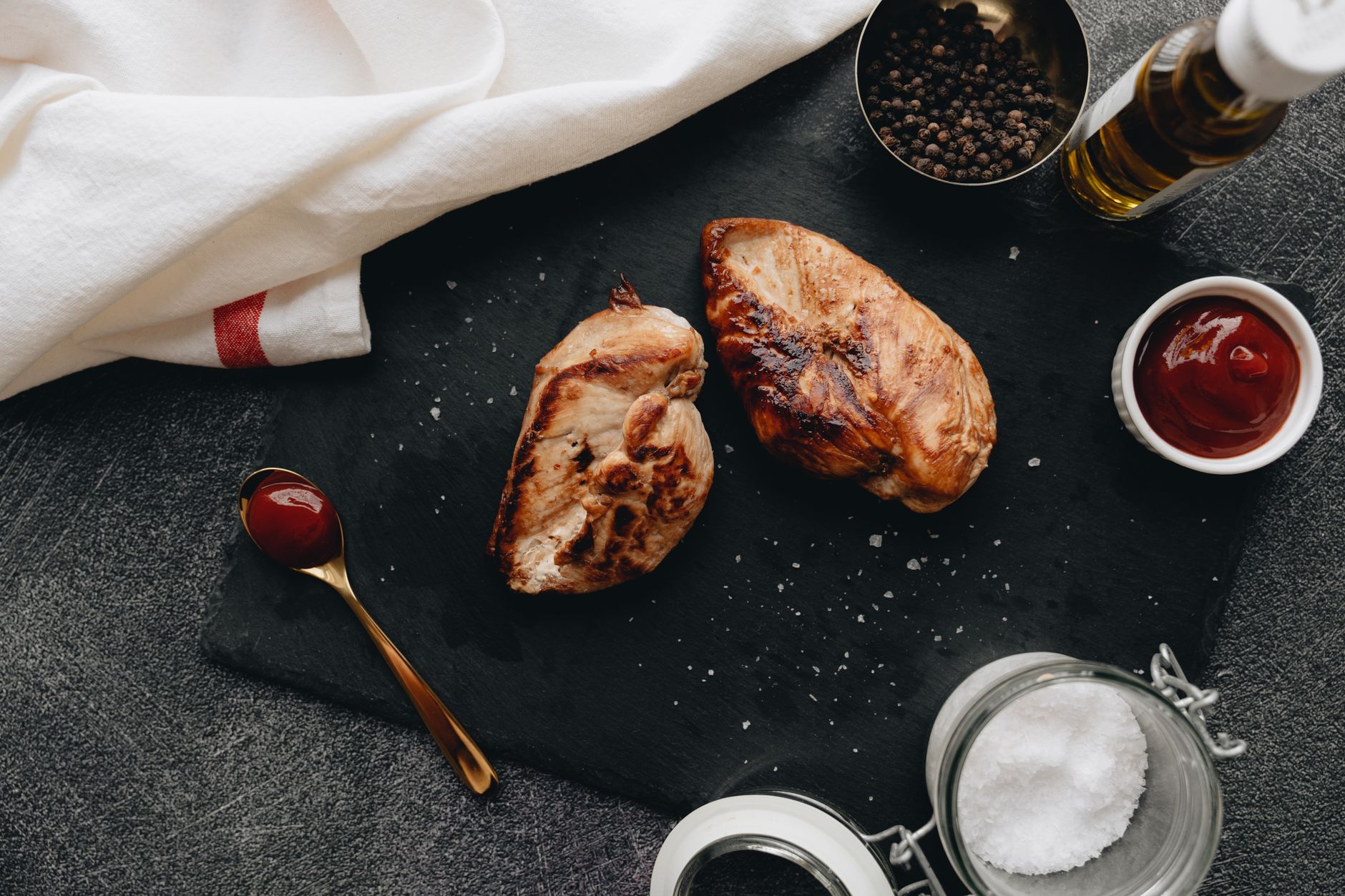
Chicken is a versatile protein that many people enjoy due to its variety, affordability, and ease of preparation. However, ensuring that chicken is properly cooked is crucial not just for flavor, but for your health as well. Getting it right means knowing the correct cooking temperature and timing.
This guide will delve into everything you need to know about cooking chicken safely while achieving maximum flavor. We’ll discuss the ideal internal temperatures for different types of chicken dishes, timing for various cooking methods, common mistakes to avoid, and effective cooking techniques.
What Temp Is Chicken Cooked At?
The safe internal cooking temperature for chicken is 165°F (75°C). This temperature ensures that any harmful bacteria present in the chicken are effectively killed, making it safe for consumption. However, achieving the right texture and flavor also depends on how you cook it.
Understanding Chicken Cuts and Their Cooking Temperatures
Different cuts of chicken may require slightly different approaches. While the safe minimum internal temperature remains the same, factors like thickness, cooking method, and whether the chicken is bone-in or boneless can affect your cooking times. Let’s break it down by cut:
Whole Chicken
- Recommended Temp: 165°F (75°C)
- Cooking Method: Roasting or grilling
A whole chicken generally takes the longest to cook. It’s important to check the temperature in several locations: the thickest part of the breast, thigh, and wing joints to ensure it’s cooked evenly.
Chicken Breasts
- Recommended Temp: 165°F (75°C)
- Cooking Method: Baking, grilling, or sautéing
Boneless chicken breasts are a popular choice due to their quick cooking time. The key is to avoid overcooking, as they can quickly become dry. For best results, consider brining or marinating to enhance moisture.
Chicken Thighs and Drumsticks
- Recommended Temp: 175°F (80°C)
- Cooking Method: Slow cooking, braising, or baking
Dark meat, such as thighs and drumsticks, benefits from a higher cooking temperature, which makes them tender while bringing out their richer flavor. Bone-in pieces can be cooked until they are fork-tender.
Chicken Wings
- Recommended Temp: 165°F (75°C)
- Cooking Method: Baking, grilling, or frying
Chicken wings are often fried or baked. Looking for a crispy skin? You can increase the cooking temperature for the last few minutes to create that desired crunch.
Ground Chicken
- Recommended Temp: 165°F (75°C)
- Cooking Method: Grilling, pan-frying
Ground chicken needs to be cooked thoroughly, as the grinding process can introduce bacteria from the surface of the meat into the mix. Always ensure it reaches 165°F internally.
Guide to Cooking Chicken by Methods
Now that you know the required temperatures for different cuts, let’s explore the cooking methods and how they affect timing and temperature control.
Baking
Baking chicken is one of the simplest methods. Preheat your oven based on the cut of chicken being used:
- Bone-in:** 375°F (190°C) for 40-55 minutes
- Boneless:** 400°F (200°C) for 20-30 minutes
Always use a meat thermometer to verify the internal temperature. Let the chicken rest for 5 to 10 minutes after baking to allow juices to redistribute.
Grilling
Grilling not only imparts a wonderful smoky flavor but allows for faster cooking:
- Whole Chicken:** 375°F (190°C) for 1-1.5 hours, turning occasionally
- Breasts:** 425°F (220°C) for 6-8 minutes per side
- Thighs:** 375°F (190°C) for 10-15 minutes per side
- Wings:** 400°F (200°C) for 10-12 minutes per side
Always ensure to monitor closely, as grill temperature can fluctuate. A good rule of thumb is to have a two-zone fire: one side hot and one side cooler to manage cooking.
Sautéing
Sautéing chicken is perfect for quick meals. Use medium to medium-high heat:
- Boneless Breasts:** 6-7 minutes per side
- Thighs:** 8-10 minutes per side
Extend the timing if the pieces are thicker. A lid can help retain moisture while cooking.
Slow Cooking
Slow-cooked chicken is tender and full of flavor. Set your slow cooker to:
- Low:** 6-8 hours
- High:** 3-4 hours
This method perfectly suits dark meat, which benefits from longer cooking times to break down connective tissues.
Pressure Cooking
Using a pressure cooker can save time while ensuring your chicken remains juicy. Common timings are:
- Whole Chicken:** 25-30 minutes
- Breasts:** 8-10 minutes
- Thighs:** 10-12 minutes
Always allow for natural pressure release for the best moisture retention.
Common Mistakes to Avoid When Cooking Chicken
While cooking chicken may seem straightforward, a few common errors can lead to undercooked or dry meat.
- Skipping the Thermometer: Always use a meat thermometer to ensure safety. Bacteria like Salmonella are eliminated at 165°F.
- Overcooking: Chicken can dry out rapidly if cooked too long. Keep a close eye and remove it from heat as soon as it reaches the proper internal temperature.
- Not Letting it Rest: Allow cooked chicken to rest for a few minutes before cutting. This helps retain moisture and flavor.
- Crowding the Pan: Overcrowding can cause steaming instead of searing. Cook in batches if needed.
Practical Tips for Cooking Chicken
To enhance your chicken cooking experience, consider these practical tips:
- Brining: Soaking chicken in a solution of water and salt enhances moisture and flavor.
- Marinating: Use an acid (like vinegar or citric juices) for flavor and to help tenderize tougher cuts.
- Choose the Right Cookware: Non-stick pans prevent sticking, while cast iron retains heat well for a perfect sear.
- Use Fresh Ingredients: Fresh herbs, spices, and citrus can uplift the flavors.
Storage and Reheating Guidelines
Once your chicken is cooked, proper storage and reheating are crucial for food safety and quality.
Storage
- Allow the chicken to cool completely before refrigerating.
- Store in airtight containers or wrap tightly in plastic wrap.
- Cooked chicken can be stored in the refrigerator for up to 3-4 days.
- For longer storage, freeze chicken in airtight containers for up to four months.
Reheating
To ensure your chicken stays moist during reheating:
- Reheat in the oven at 350°F (175°C), covered to retain moisture.
- Use a microwave with a damp paper towel to cover the chicken, setting the heat level to medium.
- Ensure reheated chicken reaches 165°F internally.
Alternative Cooking Techniques
If you’re looking to experiment beyond traditional cooking methods, here are some alternative techniques you could explore:
Spatchcocking
This technique involves removing the backbone of a whole chicken to flatten it. This allows for quicker cooking and even browning.
Sous Vide
For precision cooking, sous vide is increasingly popular. Seal chicken in a vacuum bag and cook in water at a controlled temperature for perfect doneness and tenderness.
Conclusion
Understanding the proper temperatures and techniques for cooking chicken is essential for delicious and safe meals. With practice, you will gain confidence in your ability to prepare chicken dishes that are tender, juicy, and flavorful. Don’t forget to use a thermometer for optimal safety and results.
For more information on chicken storage, explore how long does cooked chicken last, or get insights on how long to bake chicken legs at 400°F for perfect results.