
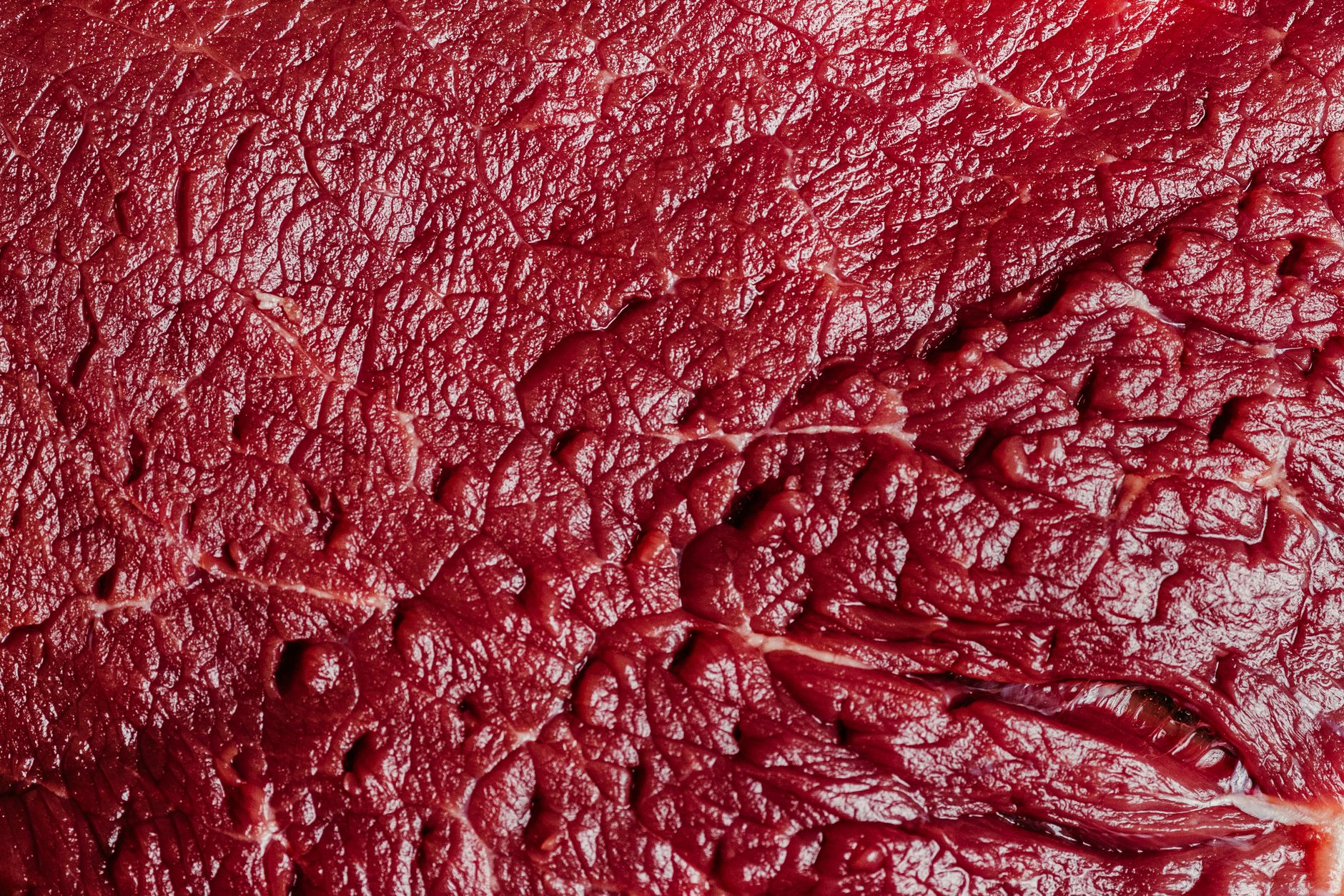
Many people enjoy red meat for its rich flavor and versatility, but some individuals find it makes them feel unwell. This discomfort can stem from various factors, including dietary restrictions, food sensitivities, or cooking methods. Understanding these reasons can help manage symptoms and enable more enjoyable meals.
This article explores why red meat may cause illness for some, discussing potential allergens, foodborne illnesses, and cooking techniques. By addressing these factors, readers can make informed decisions about incorporating red meat into their diets.
Why Does Red Meat Make Me Sick?
Individuals may experience sickness from red meat due to food allergies, intolerances, or pathogens that can cause foodborne illnesses. Additionally, how red meat is processed, cooked, and stored can significantly impact its digestibility and safety.
Common Reasons Red Meat Causes Discomfort
1. Food Intolerances and Allergies
Food intolerances occur when the body has difficulty digesting certain substances in food, while food allergies involve the immune system reacting to specific proteins. Some individuals may have a sensitivity to compounds found in red meat, such as:
- Histamines: These compounds are released during the aging process of meat, leading to reactions in sensitive individuals.
- Tyrosine: Present in higher amounts in red meat, tyrosine can cause headaches for some people.
- Phenol compounds: These can also trigger adverse reactions in sensitive individuals.
2. Foodborne Illnesses
Undercooked or improperly stored red meat can harbor harmful bacteria. Common pathogens associated with red meat include:
- Escherichia coli (E. coli): This bacteria can cause severe gastrointestinal distress.
- Salmonella: Commonly found in undercooked meat, it can lead to fever, diarrhea, and abdominal cramps.
- Listeria: While less common, it can cause illness and is especially dangerous for pregnant individuals.
Ensuring that red meat is cooked to a safe temperature and stored correctly can minimize the risk of foodborne illnesses.
3. Cooking Methods
The way red meat is prepared and cooked can also contribute to discomfort. Here are some common cooking methods and their potential drawbacks:
- Grilling or Charring: High-temperature cooking methods can produce carcinogenic compounds that may affect digestion.
- Slow Cooking: While tenderizing the meat, cooking at low temperatures for extended periods can also allow pathogens to multiply if not done correctly.
4. Portion Sizes and Frequency of Consumption
Overconsumption of red meat can lead to feelings of heaviness or discomfort. Individuals may experience bloating or indigestion, particularly if large portions are eaten without adequate fiber from fruits, vegetables, or whole grains. It’s advisable to balance red meat intake with lighter meals and plenty of water.
Identifying Symptoms of Red Meat Intolerance
If you suspect that red meat makes you sick, it’s essential to recognize the symptoms. Common reactions can include:
- Gastrointestinal distress (bloating, gas, diarrhea)
- Headaches or migraines
- Nausea or vomiting
- Skin reactions (rashes, hives)
Keeping a food diary to track when symptoms occur can help identify specific triggers, including red meat.
Preventing Sickness from Red Meat
1. Choose Quality Cuts
Opting for high-quality, grass-fed, or organic red meat can potentially reduce adverse reactions. These meat sources may have lower levels of hormones, antibiotics, and other additives.
2. Proper Cooking Techniques
Cooking red meat properly is crucial for safety and digestibility. Here are some key tips:
- Always use a meat thermometer to ensure meat reaches the appropriate internal temperature for safety. For beef, this is generally:
| Type of Meat | Safe Minimum Internal Temperature |
|---|---|
| Ground Beef | 160°F (71°C) |
| Steaks and Roasts | 145°F (63°C) with a three-minute rest time |
- Marinating meat can help break down proteins, making it more digestible.
- Avoid charring meat to reduce the formation of harmful compounds.
3. Choose Inclusively
If red meat causes discomfort, consider alternative protein sources that may be easier to digest, such as:
- Lean poultry (chicken/turkey)
- Fish and seafood
- Plant-based proteins (legumes, tofu, tempeh)
4. Digestive Aids
Incorporating digestive aids can help with any discomfort after eating red meat. Options include:
- Ginger tea or ginger supplements for nausea relief
- Probiotics to support gut health
- Enzyme supplements to aid in breaking down protein
Seeking Medical Advice
If issues persist despite dietary adjustments, it may be wise to consult with a healthcare professional or a registered dietitian. They can help assess symptoms and potentially identify food allergies or intolerances through testing.
Conclusion
While red meat can be a source of essential nutrients, it is not suitable for everyone. Understanding the reasons why red meat may make some individuals feel sick can guide dietary choices and cooking methods, promoting both health and enjoyment. Individual preferences and sensitivities vary, making it essential to listen to your body and adjust accordingly.
As you explore further dietary considerations, you might be interested in learning more about the potential risks of red meat or how to safely store ground beef, especially to ensure safe consumption. Consider checking out how long is ground beef good for in the fridge to keep your meals safe and delicious.