
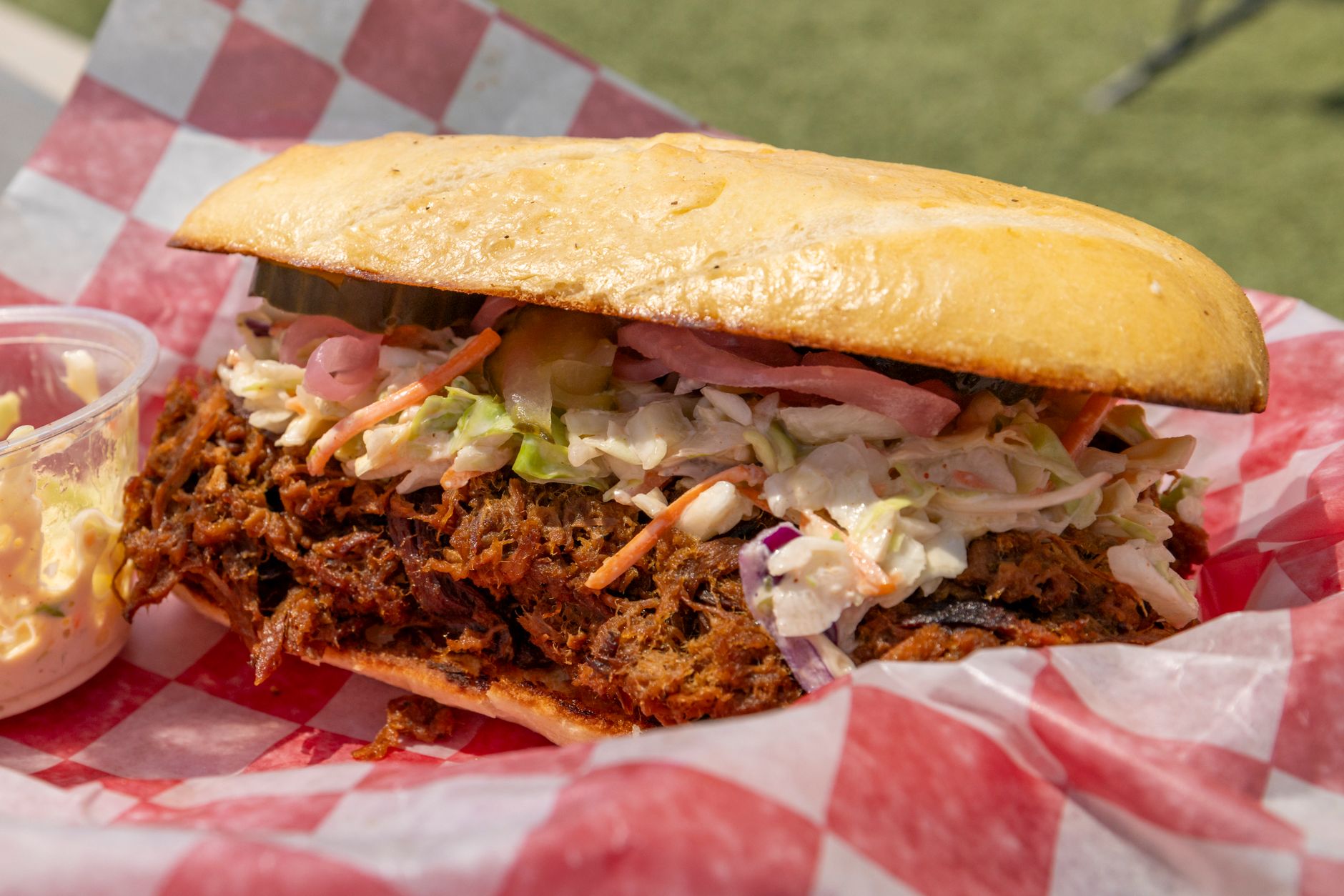
Pulled pork is a beloved dish across various cuisines, often celebrated for its bold flavors and tender texture. This popular dish primarily comes from specific cuts of pork that contribute to its unique taste and moisture content. Understanding what part of the pig is used can elevate your cooking and appreciation for this barbecued classic.
In this article, we will explore the origins of pulled pork, the best cuts of pork for making it, tips for preparing and cooking pulled pork, and ways to enjoy this succulent dish. Let’s dig into what makes pulled pork a standout meal across the globe.
What Part of the Pig Is Pulled Pork?
Pulled pork typically comes from two primary cuts of the pig: the pork shoulder and the pork butt. Despite its name, pork butt is actually from the upper part of the shoulder, while the pork shoulder, also known as picnic shoulder, comes from the lower part. Both cuts have a significant amount of connective tissue and fat, which breaks down during slow cooking and results in tender, flavorful meat.
The choice between pork shoulder and pork butt depends on personal preference and availability, but both offer exceptional results when prepared correctly. Now, let’s delve into the characteristics of these cuts and why they are ideal for pulled pork.
Understanding Pork Cuts for Pulled Pork
Pork Shoulder
Pork shoulder, or picnic shoulder, typically weighs between 8 to 12 pounds and consists of the front leg of the pig. It is less tender than pork butt and includes both meat and some skin along with the fat. This cut often contains more connective tissue, making it ideal for long, slow cooking methods such as smoking or roasting.
- Flavor and Texture: Rich in flavor, it becomes tender and juicy when cooked low and slow, allowing the fat to render and the connective tissues to break down.
- Cooking Methods: Ideal for braising, slow cooking, or using in a smoker, providing adaptable versatility for various recipes.
Pork Butt
Pork butt, or Boston butt, is cut from the upper shoulder of the pig and typically weighs between 5 to 10 pounds. It is well-marbled with fat and connective tissue, which enhances its flavor and tenderness when cooked slowly.
- Flavor and Texture: The marbling gives it a moist, rich flavor, making it a favorite for pulled pork aficionados.
- Cooking Methods: Like pork shoulder, it benefits from low and slow cooking methods, including smoking, roasting, and braising.
The Cooking Technique for Pulled Pork
To achieve mouthwatering pulled pork, it is critical to use the right cooking technique. The low-and-slow cooking method is favored to ensure the meat remains tender, allowing the fats and connective tissues to break down properly. Here’s a detailed look at the recommended techniques for preparing pulled pork.
Ingredients Required
- 3 to 5 pounds pork shoulder or pork butt
- Rub or seasoning (e.g., paprika, garlic powder, onion powder, salt, pepper, brown sugar)
- Barbecue sauce (optional)
- Apple cider vinegar or broth (for spritzing or braising)
Essential Equipment
- Slow cooker, smoker, or Dutch oven
- Meat thermometer
- Aluminum foil or butcher paper
- Sharp knife
- Cutting board
- Serving utensils
Step-by-Step Method
- Prepare the Meat: Trim excess fat from your pork shoulder or butt if desired. Apply a generous rub of spices onto the meat to enhance flavor.
- Preheat Your Cooking Equipment: If using a smoker, preheat it to about 225°F (107°C). For slow cooking in a Dutch oven, preheat your oven to 300°F (150°C).
- Cook the Pork: Place the meat in the smoker or oven. If using a Dutch oven, add a small amount of broth or apple cider vinegar to create moisture.
- Cooking Time: Slow cook the pork for several hours (up to 14 hours in a smoker) until the internal temperature reaches 195°F (90°C) to 205°F (96°C) for optimal shreddability.
- Wrap (Optional): After several hours, you can wrap the meat in foil or butcher paper to retain moisture.
- Rest the Meat: Once cooked, remove the pork and let it rest for at least 30 minutes before shredding. This helps redistribute the juices.
- Shred and Serve: Using two forks or meat claws, shred the pork into bite-sized pieces. Mix with barbecue sauce if desired, or serve with sauce on the side.
Common Mistakes and Troubleshooting
Even experienced cooks can make mistakes when preparing pulled pork. Here are some common issues and solutions to ensure a successful dish:
- Cooking Too Quickly: Rushing the cooking process can lead to tough, dry meat. Always opt for low and slow.
- Not Using a Meat Thermometer: Relying solely on cooking time is risky. Use a meat thermometer to check internal temperature for accurate doneness.
- Skipping the Resting Period: Cutting into the meat too soon can lead to dry pork. Ensure it rests for at least 30 minutes.
- Over-seasoning: While seasoning adds flavor, be careful not to overpower the natural taste of the pork.
Variations and Substitutions
Pulled pork is versatile and can be customized in several ways. Here are some ideas for variations:
- Flavor Variations: Consider different rubs, such as mustard-based or dry rubs with herbs and spices.
- Cooking Liquid: Instead of broth or vinegar, you can use beer or apple juice for an alternative flavor profile.
- Serving Ideas: Serve pulled pork on buns as a sandwich, on nachos, or over rice to enjoy it in different styles.
Serving Suggestions for Pulled Pork
Once you’ve made your tender and flavorful pulled pork, it’s time to think about how to serve it. Here are several ideas:
- Classic Pulled Pork Sandwich: Serve on a soft hamburger bun topped with coleslaw and barbecue sauce.
- Tacos: Use tortillas filled with shredded pork, avocado, and salsa.
- Pulled Pork Nachos: Layer tortilla chips with cheese, pulled pork, jalapeños, and drizzle with sauce.
- Salads: Top fresh greens with pulled pork, avocado, and your favorite dressing.
- With Sides: Serve alongside baked beans, cornbread, or macaroni and cheese for a heartier meal.
Make-Ahead Tips
Pulled pork is excellent for meal prepping or making ahead of time. Here are some tips to help you get ready:
- Cook the pulled pork ahead of time and store it in an airtight container in the refrigerator for up to four days, or freeze for up to three months.
- Reheat gently on the stove or in the microwave, adding a splash of broth or sauce to maintain moisture.
- Consider making a large batch for gatherings; pulled pork tends to improve in flavor over time.
Storage Guidelines
Proper storage is essential to ensure that your pulled pork remains delicious when saved for later. Follow these guidelines:
- Refrigerator: Store cooked pulled pork in an airtight container for up to four days.
- Freezer: For longer storage, freeze pulled pork in vacuum-sealed bags or airtight containers for up to three months.
- Reheating: Always reheat thoroughly to an internal temperature of 165°F (74°C) before consuming.
Exploring Pulled Pork in Different Cuisines
While pulled pork is often associated with Southern barbecue, it’s enjoyed in various cuisines worldwide. Here’s a look at some regional adaptations:
- Carolina-style Pulled Pork: Often features vinegar-based sauces, and the meat is typically served with coleslaw.
- Tex-Mex Pulled Pork: May incorporate spices like cumin and chili, often served in tacos or burritos.
- Cuban Pulled Pork (Lechón Asado): Marinated with citrus and spices, served with rice and black beans.
- Filipino Pulled Pork (Lechon Kawali): Deep-fried and crispy, typically served with a vinegar dipping sauce.
Conclusion
Pulled pork is a delicious and versatile dish that celebrates the flavors of pork shoulder and butt. With proper techniques and a few tips, you can create tender, flavorful pulled pork that can be enjoyed in numerous ways. Dive into this culinary delight and impress your family and friends with your skills!
For more cooking inspiration, check out these delicious recipes: a tasty pulled ham recipe or a flavorful Boston butt recipe. Happy cooking!