
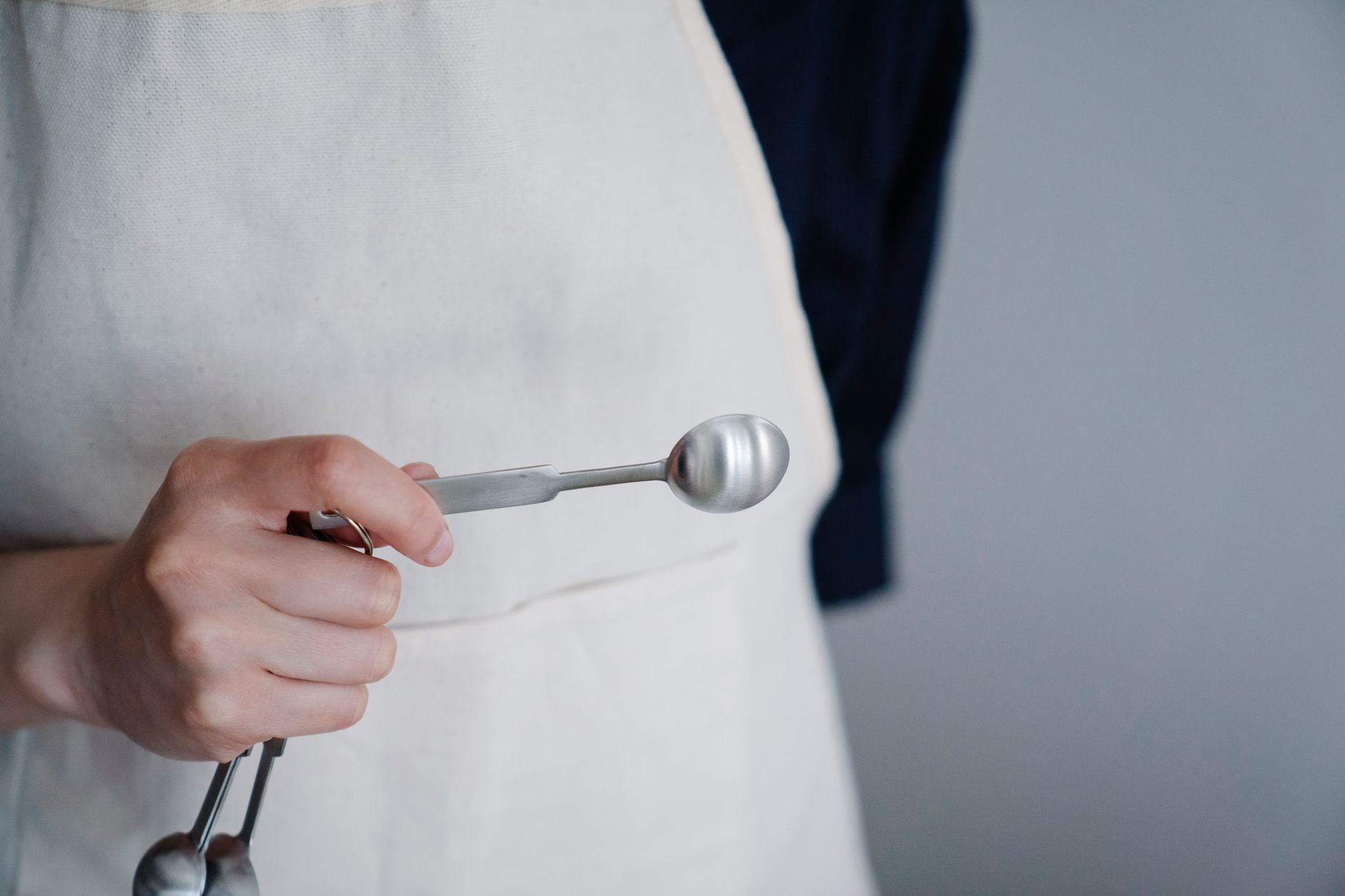
Cooking measurements can sometimes be confusing, especially when you encounter abbreviations like “tbl.” Understanding these terms is essential for creating delicious dishes consistently. In this article, we’ll focus on what “tbl” means in cooking, how it relates to recipes, and how to use this measurement effectively in your culinary adventures.
We’ll cover the various aspects of the “tbl” measurement, including the importance of accuracy in cooking, how it translates to other common measurement units, and practical tips for using it in your kitchen. By the end, you’ll feel confident tackling any recipe that calls for tablespoon measurements.
What Is Tbl in Cooking?
“Tbl” is an abbreviation for “tablespoon,” a common unit of measurement in cooking. One tablespoon is equal to 15 milliliters or 3 teaspoons. It is used to measure both liquid and dry ingredients, making it a versatile and essential tool in any kitchen.
The Importance of Accurate Measurements
Cooking is often seen as both an art and a science, with accuracy being crucial for achieving the desired flavor and texture in dishes. Here’s why getting measurements right matters:
- Consistency: Using the correct measurements ensures that your dishes turn out the same way each time you make them.
- Flavor Balance: Precise measurements help maintain the balance of flavors, especially in baking where even slight changes can affect the final result.
- Cooking Chemistry: Ingredients interact in specific ways, and using too much or too little of an ingredient can alter the chemical reactions in your dish.
Understanding Tablespoon Measurements
Tablespoon measurements can come in different contexts related to cooking. Here are the details:
1. Definitions and Conversions
Before diving into how to use tablespoons, it’s essential to understand how they convert to other measurements:
- 1 tablespoon (tbl) = 3 teaspoons (tsp)
- 1 tablespoon (tbl) = 15 milliliters (ml)
- 1 tablespoon (tbl) = 1/16 cup
When measuring, keeping these conversions in mind ensures more flexibility in cooking and baking, especially when recipes use different measurement systems.
2. Types of Tablespoons
In cooking, you may encounter different types of tablespoons, including:
- U.S. Tablespoon: The standard tablespoon measurement used in the United States.
- Metric Tablespoon: Common in countries that use the metric system, it typically holds 20 milliliters (somewhat larger than the U.S. tablespoon).
Always clarify which tablespoon measurement is being referenced in recipes to avoid discrepancies.
Measuring Ingredients Accurately
Accurate measurement is key to successful cooking. Here’s how to measure various types of ingredients using tablespoons:
1. Liquid Ingredients
When measuring liquids with tablespoons:
- Use a clear liquid measuring cup for larger quantities, but for smaller amounts, a tablespoon is precise.
- Fill the tablespoon to the rim for an accurate measurement, ensuring no liquid spills over.
2. Dry Ingredients
Measuring dry ingredients can be a bit trickier as density varies:
- Spoon and Level Method: Scoop the ingredient into the tablespoon and level it off with a straight edge for accuracy (this is especially important for ingredients like flour).
- Scoop Method: For ingredients like brown sugar, pack the sugar into the tablespoon firmly before leveling it off.
3. Sticky Ingredients
Ingredients like honey or molasses can be difficult to measure:
- To help release sticky substances, lightly grease the tablespoon with a neutral oil before measuring.
- Make sure to scrape all the contents into your dish for an accurate measurement.
Practical Tips for Using Tablespoons in Cooking
Using tablespoons efficiently can enhance your cooking experience. Here are some tips to help you make the most out of this measurement:
- Invest in a Good Set: Purchase a set of measuring tablespoons that are clearly marked and easy to read for accuracy.
- Familiarize Yourself: Get comfortable with visualizing tablespoon measurements to simplify cooking.
- Keep Conversions Handy: Having a conversion chart in your kitchen can be a quick reference for converting tablespoons to teaspoons or milliliters.
Common Mistakes and How to Avoid Them
Even seasoned cooks can make mistakes with measurements. Here are some common pitfalls and how to avoid them:
- Inaccurately Packed Ingredients: Some ingredients need to be packed, like brown sugar, while others should be leveled. Always follow guidelines to avoid discrepancies.
- Ignoring Moisture Content: Ingredients like flour can be compressed, affecting how much you actually get in the tablespoon. Sifting or fluffing before measuring can help.
- Spoon vs. Scoop: A common mistake is scooping flour directly from the bag, which can pack it and lead to more flour than intended. Always use the spoon and level method.
Substitutions for Tablespoon Measurements
While tablespoons are standard, sometimes substitutions may be needed. Here are some ingredient substitutes, along with their corresponding tablespoon measurements:
1. Cooking Oils
If a recipe calls for vegetable oil (1 tbl), you can substitute:
- Canola Oil: For a neutral flavor, canola oil works similarly without altering the taste.
- Olive Oil: Offers a more robust flavor; adjust to personal preference.
2. Sweeteners
In place of sugar or honey, consider:
- Agave Syrup: Equal parts for sweetness.
- Maple Syrup: Use 1 tablespoon of maple syrup in place of 1 tbsp of honey or sugar.
3. Dairy Alternatives
For recipes calling for dairy (like milk or yogurt):
- Almond Milk: Using almond milk can be a direct substitute for 1 tbl of regular milk.
- Cashew Yogurt: For creamy ingredients, cashew yogurt can replace standard yogurt.
Using Tablespoons in Different Culinary Techniques
Tablespoons are frequently used across various cooking techniques. Here’s how they play a crucial role in different contexts:
1. Baking
In baking, precision is critical. Tablespoons are used for measuring ingredients like flour, sugars, or fats accurately. Missing a tablespoon of baking powder can lead to significant differences in the rise and texture of baked goods.
2. Sauces and Dressings
When making sauces or dressings, the balance of flavors is delicate. Use tablespoons to measure oil, vinegar, or spices to maintain the intended flavor profile.
3. Marinating and Seasoning
Tbl can also be crucial in marinades. Recipes often call for tablespoons of soy sauce, olive oil, or spices to ensure the proteins absorb the desired flavors thoroughly.
Storing and Maintaining Your Tablespoon Measurement Tools
Keeping your measuring spoons in good condition will help maintain accuracy:
- Clean Regularly: Wash your tablespoons with warm, soapy water. Avoid abrasive materials that can scratch the surface.
- Store Properly: Keep them in a designated drawer or container to prevent misuse and damage.
Conclusion
Understanding what “tbl” means in cooking, and how to use it effectively can transform your culinary experience. Accurate measurements help ensure that your dishes turn out as intended, whether it’s a simple home-cooked meal or an elaborate baked treat. Embrace the versatility of tablespoons in your kitchen and enjoy exploring a wide range of recipes!
Ready to experiment? Check out our chia pudding recipe or learn about shortening in baking for more insights and inspiration.