
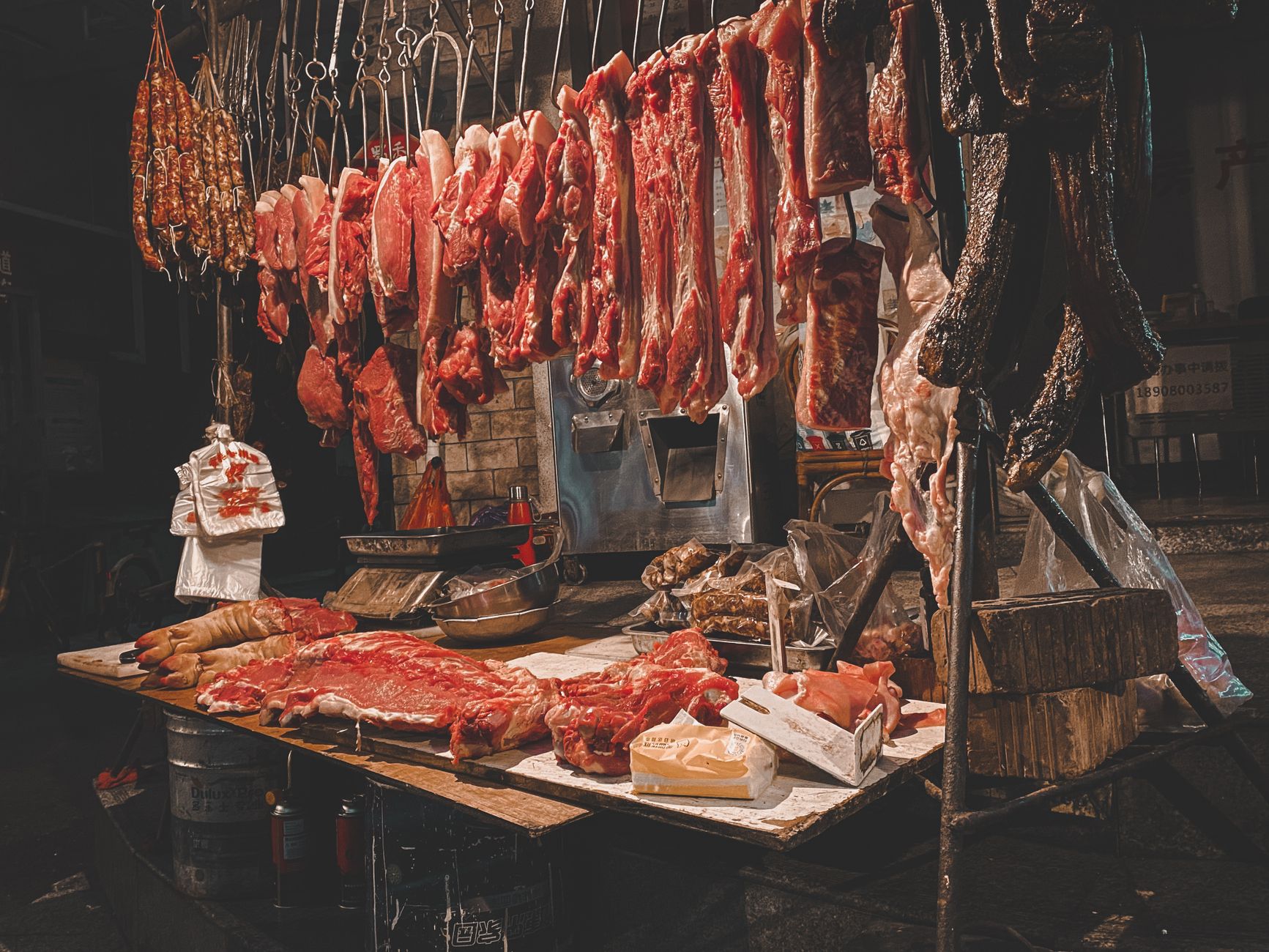
Offal meat, often considered an overlooked and underappreciated category of food, encompasses various edible animal parts beyond the traditional cuts of meat. This meat category includes organs and other parts that might not make it to the average dinner plate, such as heart, liver, kidneys, tripe, and more.
Understanding offal meat involves exploring its various components, unique flavors, cooking techniques, and how to serve it attractively. This guide delves into what offal meat is, its flavor profile, common preparations, and tips for serving it effectively.
What Is Offal Meat?
Offal meat refers to the internal organs and other parts of animals that are typically not classified as muscle meat. This includes a wide variety of components such as the liver, heart, kidneys, lungs, tripe, and sweetbreads. While these ingredients may have fallen out of favor in some culinary traditions, they are still widely appreciated in various cuisines around the world.
Offal has a rich history as a protein source and is often sought after for its distinct flavors and nutritional value. In fact, many cultures have developed specific dishes centered around these cuts, making them essential ingredients in a variety of traditional recipes.
Types of Offal Meat
The offal category can be broadly divided into two main types: organ meats and non-organ meats. Below, we explore these two categories to provide a better understanding of offal meat.
Organ Meats
- Liver: Known for its rich flavor and high nutrient density, liver can come from various animals, including cows, pigs, and chickens. Beef liver is particularly popular and known for its strong taste.
- Heart: Tender and muscular, heart meat is a nutritious option that is often grilled or slow-cooked. It shares a hearty flavor profile, making it versatile in recipes.
- Kidneys: Commonly from lamb or pig, kidneys have a distinct taste and a unique texture. They are often used in pies or stews.
- Tripe: This is the edible lining of the stomach of various animals, including cows and sheep. Tripe has a chewy texture and is prized in dishes like menudo and pho.
- Sweetbreads: These are the thymus or pancreas glands of young animals. With their mild flavor and velvety texture, sweetbreads are often breaded and fried or sautéed.
Non-Organ Meats
- Bone marrow: The rich and buttery marrow extracted from the bones is often roasted and served as a spread or used to enrich soups and sauces.
- Feet: Commonly found in various dishes worldwide, pig feet or chicken feet are simmered to create rich stocks and broths, valued for their gelatinous texture.
Flavor Profile of Offal Meat
The flavor of offal meat can vary significantly based on the specific cut and the animal it comes from. Organ meats such as liver offer robust flavors that can be somewhat strong, often requiring careful pairing with other ingredients to balance their taste. Conversely, meats like heart and kidneys have a more subtle flavor that lends themselves well to seasoning and complementing sauces.
Offal meat generally contains a higher amount of fat than muscle meats, contributing to its rich, hearty flavor. When preparing offal dishes, it’s essential to consider cooking methods that enhance their natural flavors while mitigating any of the stronger notes that some might find off-putting.
How to Prepare and Cook Offal Meat
Cooking offal meat properly is crucial to achieving the best flavor and texture. Here are some common methods for preparing different types of offal:
Liver
- Clean the liver: Rinse the liver under cold water and remove any visible membranes or blood vessels.
- Soak: For some varieties, soaking in milk can help tone down any strong flavors. Soak for one to two hours before cooking.
- Cooking: Sauté on high heat for a short period until browned outside but still pink on the inside. Serve immediately for optimal texture.
Heart
- Trim and clean: Remove any fat and connective tissue before cooking. Rinse under cold water.
- Marinate: Marinating heart in acidic marinades can enhance flavor and tenderness. Typical ingredients include vinegar, citrus juices, and spices.
- Grill or braise: Either grill it over high heat or braise slowly in stock for more tenderness. Aim for a fork-tender texture.
Kidneys
- Clean: Rinse and soak in water to draw out impurities. Trim any fat and connective tissue.
- Cooking: Cook kidneys quickly over high heat to retain moisture. They can be sautéed or stir-fried with onions and spices.
Tripe
- Clean tripe: Rinse thoroughly and soak in vinegar to reduce strong odors.
- Pre-cook: Boil it first before incorporating it into stews or soups to ensure tenderness.
- Slow cook: Incorporate into soups or stews, as this helps to tenderize the texture further.
Sweetbreads
- Soak: Soak in milk or cold water for several hours to mellow out the flavors.
- Blanch: Blanching in boiling water can help in cleaning and prepping for cooking.
- Pan-fry or sauté: Cook until golden brown on the outside while still being tender on the inside. Serve immediately.
Common Mistakes When Cooking Offal Meat
Preparing offal can be tricky, especially if you’re new to cooking these types of meat. Here are some common mistakes to avoid:
- Overcooking: Overcooking offal meats can lead to a tough and chewy texture. Quick cooking methods or careful attention to time can help preserve tenderness.
- Neglecting seasoning: Offal can have strong flavors that sometimes benefit from careful seasoning. Don’t shy away from spices, herbs, and acidic components to balance flavor.
- Improper cleaning: Not adequately cleaning offal can lead to off-putting flavors. Always rinse and prepare organ meats properly before cooking.
How to Serve Offal Meat
Once cooked, presenting offal meat in an appealing way is essential. Here are some serving suggestions for various types of offal meat:
Liver
- Pair sautéed liver with caramelized onions or apples for a sweet contrast.
- Spread liver pâté on toast or crostini as a flavorful appetizer.
Heart
- Slice cooked heart thinly and serve in salads or with savory sauces.
- Use diced heart in rich stews or stir-fries with vegetables.
Kidneys
- Serve kidneys in a traditional kidney pie with flaky pastry.
- Incorporate sautéed kidneys in a rich sauce served over pasta.
Tripe
- Use tripe in hearty soups like menudo or pho, which enhances its texture.
- Fry slices of cooked tripe until crispy and serve as a crunchy appetizer.
Sweetbreads
- Serve sweetbreads as an upscale appetizer with sauces like beurre blanc.
- Pair with seasonal vegetables or mashed potatoes for a luxurious main course.
Health Benefits of Offal Meat
Offal meat is often touted for its nutritional benefits. Many organ meats provide a rich source of essential nutrients, including vitamins, minerals, and protein. Here are some of the benefits associated with various types of offal:
- Liver: High in vitamin A, iron, and B vitamins, liver is nutritional powerhouse especially beneficial for individuals needing iron.
- Heart: A good source of CoQ10, which is beneficial for heart health.
- Kidneys: Rich in protein, vitamins, and minerals such as selenium and zinc.
- Tripe: Contains glucosamine and chondroitin, which are known for their benefits to joint health.
Storing and Preserving Offal Meat
Proper storage of offal meat is crucial to maintain freshness, flavor, and safety. Here are some tips for storing and preserving offal:
- Refrigeration: Store offal meat in the refrigerator, ideally sealed in airtight containers. It is best used within 1 to 2 days of purchase.
- Freezing: If you won’t use the offal meat within a couple of days, it’s best to freeze it. Wrap individual portions tightly to avoid freezer burn.
- Thawing: When ready to use, thaw frozen offal in the refrigerator or in cold water for several hours. Avoid thawing at room temperature to prevent bacteria growth.
Substitutions for Offal Meat
If you’re not ready to dive into offal meat, there are some alternatives you can consider. While these won’t completely replicate the flavor and texture of offal, they can provide similar culinary experiences:
- Ground meats: Use ground beef or poultry in place of organ meats for a milder taste in mixed dishes.
- Mushrooms: Especially when cooked, mushrooms can add a meaty texture and umami flavor to vegetarian dishes.
- Legumes: Beans and lentils can provide protein and texture, serving as a substitute in stews or pies where offal might otherwise be used.
Exploring Global Cuisines with Offal Meat
Offal is celebrated in many culinary traditions around the globe, each with its unique preparations and flavors. Here are some notable examples:
- France: Dishes like pâté and rillettes showcase liver and other organ meats, often served as appetizers.
- Mexico: Menudo is a traditional soup made from tripe and is prized for its flavor and warming qualities.
- Italy: Lampredotto, made from cow’s stomach, is a famous street food in Florence that is slow-cooked and served on bread.
- China: In various dishes, organ meats are often featured and even considered a delicacy in traditional recipes.
As offal continues to regain popularity, experimenting with different recipes can bring exciting flavors and textures to your kitchen. Embrace the adventure of offal meat, and you might discover your new favorite dish.
Offal meat, with its diverse cuts and nutritional benefits, is an important aspect of many culinary traditions. By understanding its varieties, flavors, and cooking techniques, anyone can learn to incorporate these ingredients into their cooking repertoire. Give these unique pieces a chance; they could lead to truly memorable meals.
To discover more about cooking nutritious meats, check out articles on chicken liver and pig feet recipes.