
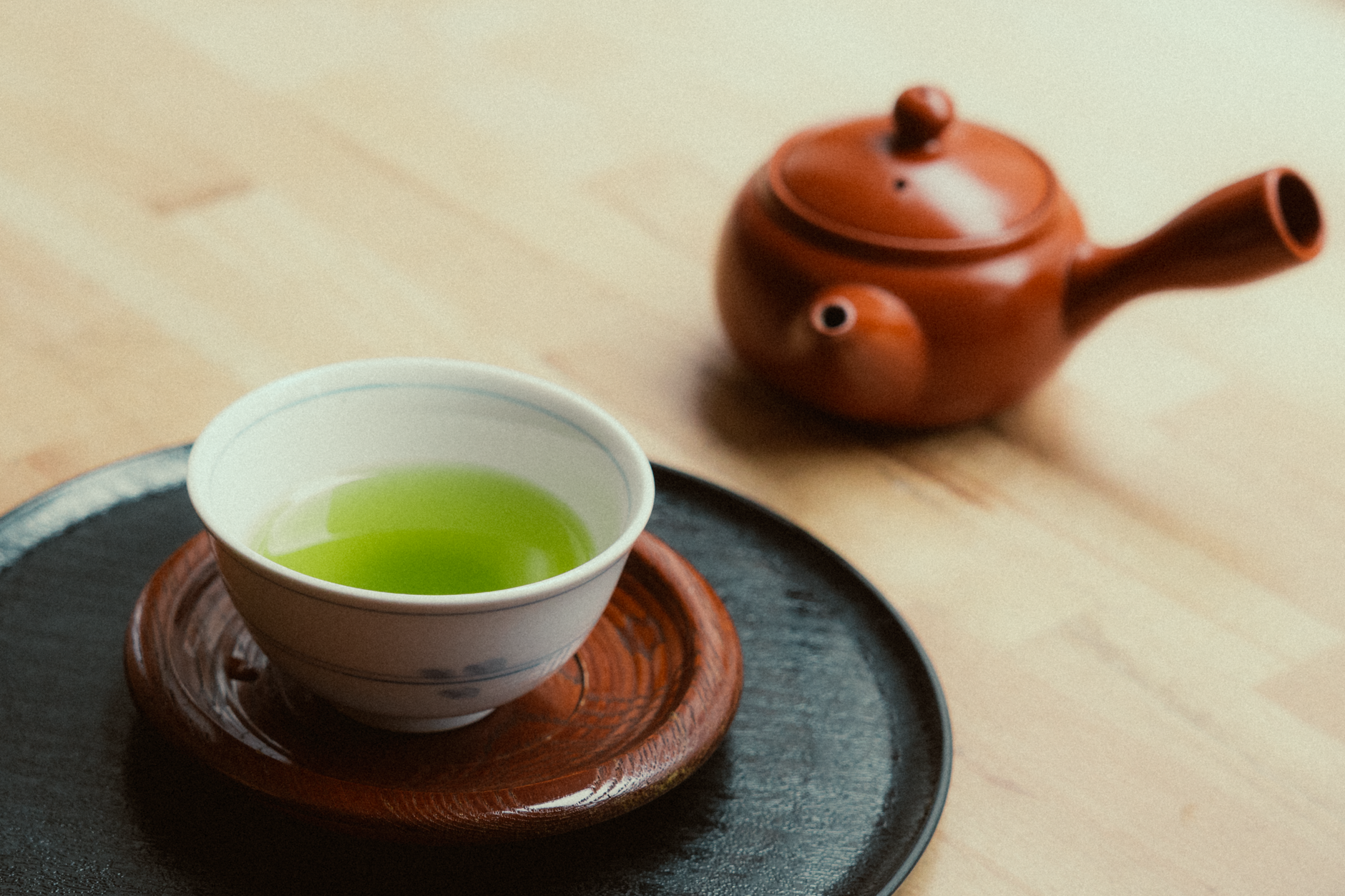
Green tea has long been celebrated for its many health benefits, ranging from its antioxidant properties to its potential role in weight management. However, when it comes to digestive issues, many wonder: is green tea good for upset stomach? This article will delve into the nuances of green tea’s effects on gastrointestinal discomfort and explore its potential benefits and drawbacks.
We will discuss the constituents of green tea, how they might affect digestive health, and provide guidance for those considering incorporating green tea into their diet to alleviate stomach upset. Whether you suffer from occasional discomfort or are looking for ways to improve your overall gut health, understanding the science behind green tea can help you make informed choices.
Is Green Tea Good for Upset Stomach?
Green tea can indeed be beneficial for an upset stomach thanks to its anti-inflammatory and antioxidant properties. Its polyphenols may help soothe the digestive tract, while warm liquids can ease discomfort by promoting relaxation. However, individual reactions can vary, and excessive consumption might lead to irritation for some.
Understanding Green Tea
Before diving deeper into the benefits for upset stomachs, let’s look at what green tea is made from and its unique components:
- Catechins: These are antioxidants that may reduce inflammation and support gut health.
- Theanine: This amino acid found in green tea can promote relaxation and reduce stress, which can indirectly affect digestive health.
- Flavonoids: These compounds help support cardiovascular health and may improve digestion by enhancing the gut lining.
Types of Green Tea
There are several types of green tea, each offering slightly different flavors and benefits:
- Sencha: A popular Japanese green tea with a bright, grassy flavor. It’s rich in catechins and vitamin C.
- Matcha: A powdered form of green tea that offers potent antioxidants. Consuming the whole leaf makes it a concentrated source of nutrients.
- Gyokuro: A higher-grade Japanese tea that has a sweeter flavor profile due to its shading during growth.
How Green Tea Affects Digestion
Understanding how green tea impacts the digestive system is essential in evaluating its benefit for an upset stomach. Here are some ways green tea can support digestive health:
Anti-inflammatory Properties
Green tea is well-known for its anti-inflammatory properties, which can help reduce irritation in the gut. The catechins in green tea may reduce the severity of intestinal inflammation and promote a healthier digestive tract, making it a suitable option for those experiencing discomfort.
Antioxidant Effects
The antioxidants found in green tea, including catechins and flavonoids, can help protect the stomach lining from damage caused by free radicals. This protection may contribute to improved healing of the gastrointestinal tract, aiding recovery from upset stomachs.
Digestive Aid
Warm liquids, such as green tea, can help stimulate digestion and promote gut motility. This may assist in alleviating symptoms such as bloating, gas, and irregular bowel movements. A soothing cup of green tea can promote relaxation and comfort in the digestive system.
Stress-Reducing Benefits
Green tea contains the amino acid theanine, known for its calming effects. Stress is often a contributing factor to digestive issues, so consuming green tea may indirectly help mitigate an upset stomach by promoting relaxation and reducing stress levels.
Total Daily Intake Recommendations
While green tea can be beneficial for an upset stomach, moderation is key. Here are some general guidelines:
- Limit consumption to 2-3 cups of green tea per day.
- Avoid drinking on an empty stomach to minimize any potential irritation.
- Consider drinking lukewarm tea, as very hot liquids may worsen discomfort.
Potential Drawbacks
Although there are many benefits to drinking green tea, it may also pose challenges to some individuals, especially when addressing an upset stomach:
Caffeine Content
Green tea contains caffeine, which can lead to increased stomach acid production. For some people, this may exacerbate stomach issues instead of alleviating them. Opt for decaffeinated varieties to enjoy the benefits without the potential side effects.
Gastrointestinal Irritation
For sensitive individuals, drinking green tea can sometimes cause gastrointestinal irritation. This can lead to discomfort, especially if consumed in large quantities or on an empty stomach.
How to Prepare Green Tea for an Upset Stomach
If you decide to try green tea to help with an upset stomach, the following tips will help you prepare it effectively:
- Start with good quality loose-leaf green tea or tea bags.
- Boil water to just under 180°F (80°C) to avoid bitterness.
- Steep the tea for 2-3 minutes, depending on your taste preference. Steeping for too long can increase bitterness.
- Strain the tea or remove the tea bag, and allow it to cool slightly before drinking.
- Add honey or lemon if desired, but avoid too much acidity if your stomach is sensitive.
Creative Ways to Incorporate Green Tea
Aside from sipping on hot green tea, there are creative ways to incorporate it into your meals:
Green Tea Smoothies
Add brewed and cooled green tea to your favorite smoothies. Combine with bananans, spinach, and yogurt for a refreshing drink that supports overall health.
Green Tea Iced Lattes
Prepare a refreshing iced latte by combining brewed green tea with milk or a milk alternative, sweetening it with honey to suit your preferences.
Cooking with Green Tea
Incorporate powdered matcha into baked goods or savory dishes. Consider using it in pancakes, muffins, or even salad dressings for a unique flavor twist.
Common Mistakes to Avoid with Green Tea
When consuming green tea for digestive health, take note of these common mistakes:
- Drinking extremely hot tea can irritate the digestive system, so aim for lukewarm.
- Consuming green tea right after a meal may impact nutrient absorption. Wait at least 30 minutes post-meal.
- Choosing poor-quality tea can lead to less effective results. Opt for premium brands for the best benefits.
Combining Green Tea with Other Remedies
Green tea can be complemented with other home remedies to maximize digestive health:
- Ginger: Known for its stomach-soothing properties, add fresh ginger to green tea for added benefits.
- Chamomile: Combine green tea with chamomile to create a soothing blend that may further assist in relaxation.
- Mint: Mint leaves can enhance green tea’s refreshing taste while also soothing digestion.
Final Thoughts
Green tea has a lot to offer when it comes to soothing an upset stomach through its anti-inflammatory and antioxidant properties. Whether as a warm drink or an ingredient in recipes, it can play a helpful role in digestive health. However, be mindful of its caffeine content and individual sensitivities.
By understanding how green tea fits into your diet, you can leverage its benefits while avoiding potential pitfalls, promoting overall wellness with every sip. If you’re looking to explore other ways to enhance your gut health, consider incorporating ginger or chamomile along with green tea for an even more potent remedy.
For more information, check out our article on the taste of green tea, or give our chia pudding recipe with coconut milk a try as a delicious way to support your digestion while enjoying the health benefits of other ingredients.