
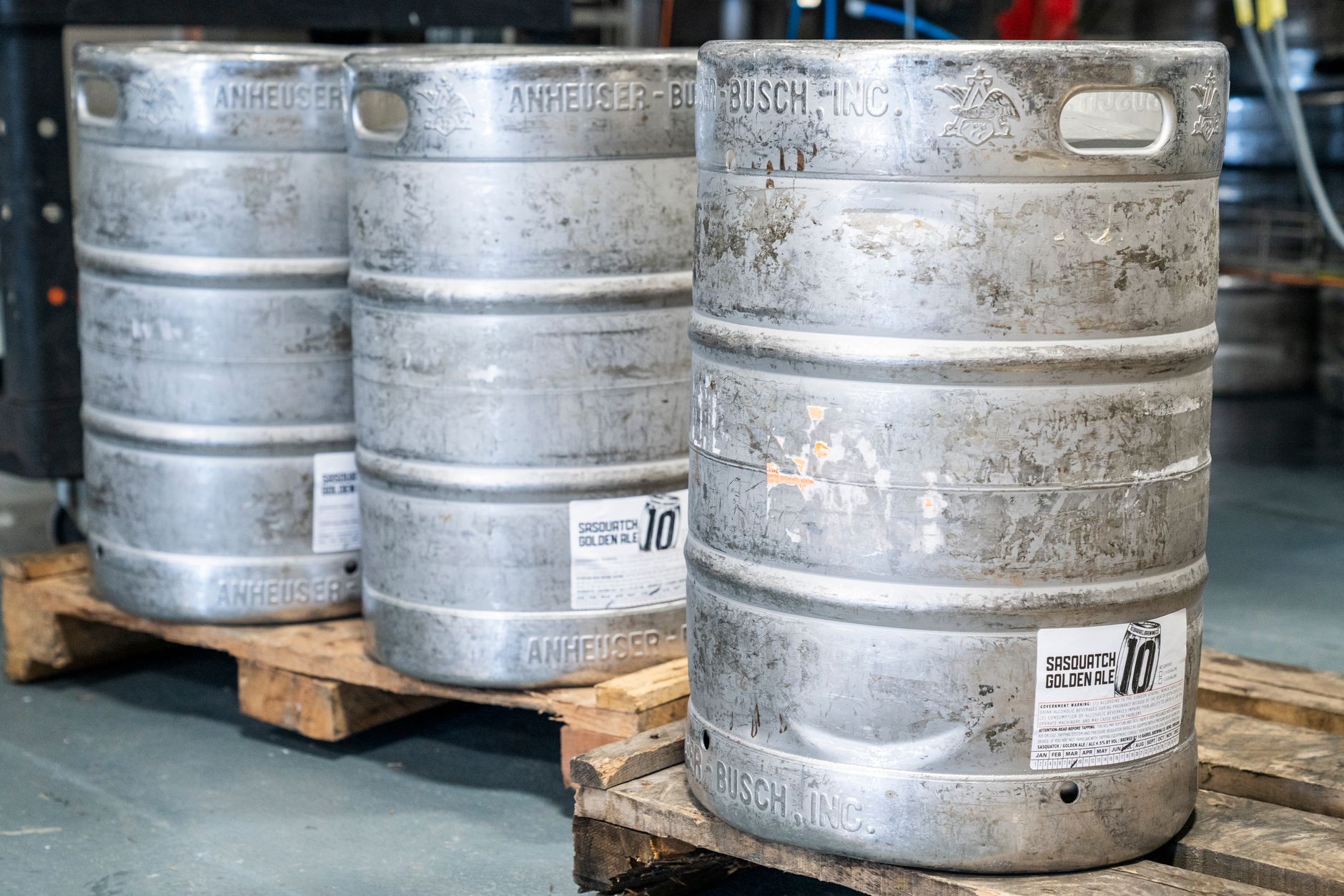
Understanding how many beers are in a full keg can be vital for event planning, bar management, and home brewing. This knowledge not only helps you estimate consumption but also ensures you have enough supplies for gatherings or parties.
This article will provide an in-depth look at keg sizes, beer servings, and considerations to keep in mind when planning for beer consumption. Whether you are preparing for a family reunion, wedding, or a simple weekend barbecue, we have you covered.
How Many Beers Are in a Full Keg?
A full keg contains approximately 165 12-ounce servings of beer. However, this number may vary based on the keg size and the serving size chosen.
The standard keg size in the United States is the half-barrel keg, which is the one most commonly used for commercial purposes. There are also smaller keg sizes that serve fewer beers, which we will detail later in this article.
Understanding Keg Sizes
When it comes to kegs, several standard sizes are commonly used. Each size serves a different number of beers based on the serving size you choose. Here are the main keg sizes and their corresponding capacities:
- Half-Barrel Keg: The standard commercial keg, holding 15.5 gallons, which amounts to about 165 12-ounce servings.
- Quarter-Barrel Keg: Also known as a “Pony Keg,” this size holds 7.75 gallons and yields approximately 82 12-ounce servings.
- Sixth-Barrel Keg: This smaller option holds 5.16 gallons, which equates to about 55 12-ounce servings.
- Mini Keg: A compact option, the mini keg holds 1.32 gallons, translating to around 14 12-ounce beers.
Serving Sizes and Their Impact
While the standard 12-ounce serving size is most common, other options exist that can affect how many beers you get from a keg.
Adjusting Serving Sizes
If you’re serving larger or smaller pours, the total number of servings will change accordingly. Here are some examples:
- A 16-ounce serving size will yield about 104 servings from a half-barrel keg.
- A 10-ounce serving size will result in approximately 198 servings from the same keg.
- Conversely, if serving 8-ounce cups, you’ll yield around 247 servings.
Choosing a larger serving size can make a keg disappear faster than anticipated, so be sure to account for this when planning your event. Be sure to consider the type of event and the expected beer consumption when determining which serving size to use.
Types of Beer Kegs and Their Unique Features
Different beers may come in different types of kegs, which can also affect the amount of beer you can serve. Here are common keg types:
- Draught Keg: This is a standard keg used for many beers.
- Pin Keg: Often used for smaller batches of craft beers.
- Key Keg: A unique system designed to maintain a beer’s freshness and carbonation, minimizing oxidation and waste.
Common Mistakes to Avoid
When planning your beer needs, it’s necessary to avoid common pitfalls that could lead to running out or overestimating your requirements.
- Not Accounting for Diverse Preferences: Not all guests will have the same beer preferences. Ensure you provide a variety that caters to different tastes.
- Overestimating Consumption: On the flip side, overestimating how much beer you’ll need can lead to excessive spending and waste. Take into consideration the nature of your event.
- Misjudging Serving Sizes: Whether you opt for 12-ounce or 16-ounce servings can significantly change the number of servings you’ll get from a keg.
General Guidelines for Beer Events
To help you plan your events effectively, consider these guidelines for estimating beer needs.
General Consumption Estimates
As a general rule, you can estimate about two beers per person for the first hour, then one beer per person for each subsequent hour. For example:
- 10 people for a 3-hour event: 10 x (2 + (1 x 2)) = 30 beers needed.
- 20 people for a 5-hour barbecue: 20 x (2 + (1 x 4)) = 100 beers needed.
Helpful Tools
Consider using beer consumption calculators available online or even mobile apps specifically designed for this task. These tools can give you a clear-cut analysis of how many kegs or cases you’ll require based on your guest count and the duration of the event.
Storage and Care for Kegs
Proper storage of kegs is vital to maintain beer quality and freshness. Here are some essential tips for keg storage:
- Temperature: Keep kegs cold. Ideally, they should be stored at around 36 to 40 degrees Fahrenheit.
- Check Expiration Dates: Always check the brewery’s recommended shelf-life for the best flavor and quality.
- Use a Kegerator: If possible, use a kegerator to ensure proper serving temperature and carbonation.
Recycling and Disposal of Kegs
Once your event is over, you’ll need to return or dispose of the empty keg properly. Most breweries will accept kegs back for recycling. Always check the recycling terms with the provider.
Conclusion
Knowing how many beers are in a full keg and understanding the various keg sizes and serving options simplifies event planning. Whether you choose a half-barrel keg or a mini keg, ensure you account for your guests’ preferences and the nature of the gathering. Utilize robust calculations and consider a range of operational considerations when hosting your next event.
Explore further some delicious recipes and cooking tips on Mama’s Secret Recipes, such as our Beer Can Chicken Recipe or the refreshing Bud Light Can guide for your next barbecue. Make the most of your gathering and enjoy responsibly!