
The aroma of butter browning in a hot oven, pastry puffing golden at the edges, and that first shatter when your fork breaks through a perfectly baked crust. That moment right there is why homemade quiche crust matters.
Store bought crusts get the job done, sure, but they lack soul. This quiche crust recipe delivers a flaky, buttery foundation that makes your filling shine brighter than ever before.
What makes this crust special? It strikes the perfect balance between tender and sturdy. You get delicate layers that melt on your tongue while still holding up to custard without turning soggy.
Whether you fill it with classic Lorraine or load it with vegetables, this crust performs beautifully every single time. Let me walk you through exactly how to nail it.
Why You Will Love This Recipe
This quiche crust has earned a permanent spot in my recipe rotation, and I think it will earn one in yours too.
- Uses only five simple pantry ingredients you probably already have on hand
- Creates a flaky, golden crust that holds its shape without crumbling
- Works perfectly for sweet tarts with minor adjustments
- Makes enough dough for one deep dish quiche or two shallow tarts
- Can be prepared up to three days ahead, saving you morning stress
My Experience Making This Recipe
I have made this crust more times than I can count, and it never disappoints. The first time I pulled a perfectly golden quiche from my oven, I actually did a little victory dance in my kitchen.
The texture hits exactly right. You get those delicate, shattering layers on the outside while the bottom stays crisp against the creamy filling.
My family now requests quiche for every holiday brunch, and honestly, I think the crust steals the show. Friends have asked for this recipe more than any other in my collection.
Recipe Overview
- Recipe Name: Classic Quiche Crust
- Servings: 8 slices
- Prep Time: 15 minutes
- Cook Time: 25 minutes (blind baking)
- Total Time: 40 minutes plus 1 hour chilling
- Course: Breakfast, Brunch, Appetizer
- Cuisine: French
- Calories per Serving: 215
Equipment You Will Need
- 9 inch tart pan with removable bottom or pie dish
- Food processor or pastry blender
- Rolling pin
- Plastic wrap
- Pie weights or dried beans
- Parchment paper
- Fork
- Measuring cups and spoons
Ingredients for Quiche Crust
- 1 1/4 cups all purpose flour
- 1/2 teaspoon salt
- 1/2 cup unsalted butter, cold and cubed
- 1 large egg yolk
- 3 to 4 tablespoons ice water
Ingredient Notes and Substitutions
- All purpose flour provides the ideal protein content for a tender yet sturdy crust. You can substitute half with whole wheat pastry flour for a nuttier flavor.
- Unsalted butter creates those flaky layers and rich taste we crave in pastry. Substitute with cold vegetable shortening for a slightly more tender texture.
- Egg yolk adds richness and helps bind the dough while keeping it tender. Skip it if needed and add one extra tablespoon of ice water instead.
- Ice water activates the gluten just enough to hold things together without making the crust tough. The water must be extremely cold, so keep ice cubes in it until ready to use.
- Salt enhances all the flavors and balances the butter. Reduce to 1/4 teaspoon if using salted butter.
How to Make Quiche Crust
Step 1: Combine the Dry Ingredients
Add the flour and salt to your food processor and pulse twice to combine. If using a bowl and pastry blender, whisk these together first to distribute the salt evenly throughout the flour.
Step 2: Cut in the Cold Butter
Scatter the cold butter cubes over the flour mixture and pulse 8 to 10 times until the mixture resembles coarse crumbs with some pea sized pieces remaining. Those larger butter pieces create steam pockets during baking, which gives you flaky layers.
Step 3: Add the Egg Yolk
Drop the egg yolk into the mixture and pulse three times to distribute it. The yolk adds tenderness and a subtle golden color to your finished crust.
Step 4: Add Ice Water Gradually
Drizzle in three tablespoons of ice water and pulse until the dough just starts to clump together. Add the fourth tablespoon only if the dough seems too dry and crumbly.
Step 5: Form the Dough Disk
Turn the shaggy dough onto a clean surface and gently press it into a flat disk about one inch thick. Overworking at this stage develops too much gluten and makes your crust tough instead of tender.
Step 6: Chill the Dough
Wrap the disk tightly in plastic wrap and refrigerate for at least one hour or up to three days. This rest time relaxes the gluten and firms up the butter, preventing shrinkage during baking.
Step 7: Roll Out the Dough
On a lightly floured surface, roll the chilled dough into a 12 inch circle about 1/8 inch thick. Work from the center outward, rotating the dough quarter turns to maintain an even circle.
Step 8: Transfer to the Pan
Carefully drape the rolled dough over your rolling pin and transfer it to your tart pan. Gently press the dough into the bottom edges and up the sides without stretching it.
Step 9: Trim and Dock the Crust
Roll your pin across the top of the pan to trim excess dough, then prick the bottom all over with a fork. These small holes prevent the crust from puffing up dramatically during blind baking.
Step 10: Blind Bake the Crust
Line the crust with parchment paper and fill with pie weights or dried beans. Bake at 400 degrees Fahrenheit for 15 minutes, remove the weights, and bake another 8 to 10 minutes until golden.
Pro Tip: Keep your butter and water as cold as humanly possible. I even chill my flour in the freezer for 15 minutes before starting for extra insurance against a tough crust.
Tips for the Best Quiche Crust
- Cut your butter into cubes and freeze it for 10 minutes before adding to the flour for maximum flakiness.
- Stop mixing the moment the dough comes together since overworking equals tough pastry every time.
- If the dough cracks while rolling, let it warm up for five minutes at room temperature before continuing.
- Press the dough firmly into the corners of your pan to prevent it from sliding down during baking.
- Chill the shaped crust for 30 minutes before blind baking to set the butter and reduce shrinkage.
- Save your dough scraps wrapped in plastic for patching any cracks that form during baking.
Common Mistakes to Avoid
- Using warm butter creates a greasy, dense crust instead of light flaky layers.
- Adding too much water makes the dough sticky and the baked crust tough and chewy.
- Skipping the chill time causes the crust to shrink dramatically and lose its shape in the oven.
- Stretching the dough when fitting it into the pan guarantees it will spring back during baking.
- Forgetting to dock the bottom results in large bubbles that create uneven surfaces for your filling.
Serving Suggestions
This crust pairs beautifully with virtually any quiche filling you dream up. Here are some winning combinations to try.
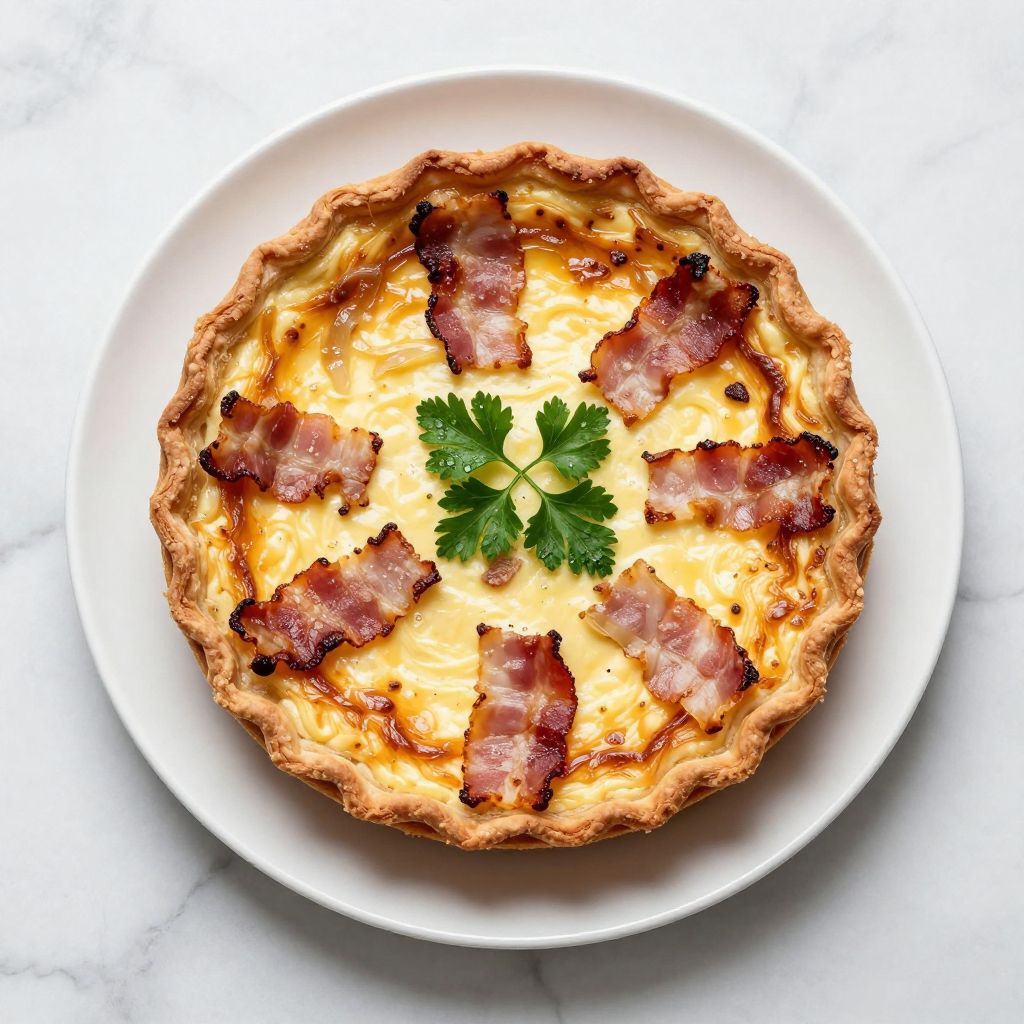
- Classic Lorraine with bacon, Gruyere cheese, and caramelized onions
- Mediterranean style with sun dried tomatoes, feta, spinach, and olives
- Spring vegetable with asparagus, leeks, and goat cheese
- Ham and cheddar for a crowd pleasing brunch favorite
- Mushroom and thyme for an earthy, elegant option
Variations to Try
- Herb crust: Add two tablespoons of fresh chopped thyme, rosemary, or chives to the flour for aromatic depth.
- Parmesan crust: Mix in 1/4 cup finely grated Parmesan for a savory, umami rich flavor.
- Whole wheat version: Replace half the all purpose flour with whole wheat pastry flour for added nutrition and nuttiness.
- Black pepper crust: Add one teaspoon of freshly cracked black pepper for subtle heat that pairs perfectly with ham fillings.
- Sweet tart adaptation: Add two tablespoons of sugar and 1/2 teaspoon vanilla extract for fruit tarts or dessert quiches.
Dietary Adaptations
- Gluten free: Substitute a one to one gluten free flour blend, but expect a slightly more crumbly texture.
- Dairy free: Use cold vegan butter or coconut oil, though the flavor will differ slightly from traditional versions.
- Vegan: Replace the butter with vegan butter and skip the egg yolk, adding one extra tablespoon of ice water.
- Low carb: Try an almond flour based crust with three cups almond flour, one egg, and 1/4 cup melted butter.
Storage and Reheating
Refrigerator
Store unbaked dough or baked crust properly for best results.
- Unbaked dough keeps wrapped tightly in plastic for up to three days
- Baked unfilled crust stays fresh covered at room temperature for two days
- Filled quiche keeps refrigerated for up to four days
Freezer
Freezing gives you a head start on future quiches.
- Unbaked dough freezes well for up to three months
- Thaw overnight in the refrigerator before rolling
- Blind baked crusts freeze for up to one month wrapped tightly
Reheating
Bring your quiche back to life with gentle heat.
- Reheat filled quiche at 325 degrees Fahrenheit for 15 to 20 minutes
- Cover loosely with foil to prevent the crust edges from over browning
- Let stand five minutes before slicing for cleaner cuts
Nutrition Information
| Nutrient | Amount |
|---|---|
| Calories | 215 |
| Total Fat | 14g |
| Saturated Fat | 8g |
| Carbohydrates | 18g |
| Fiber | 1g |
| Sugar | 0g |
| Protein | 3g |
| Sodium | 146mg |
| Cholesterol | 54mg |
Nutritional values are estimates based on the crust only and may vary based on specific ingredients and brands used.
Frequently Asked Questions
Can I make this quiche crust ahead of time?
Absolutely. The dough keeps refrigerated for three days or frozen for three months, making it perfect for meal prep.
Why did my crust shrink during baking?
Shrinking happens when the dough is stretched while fitting it into the pan or when it does not rest long enough before baking. Always chill the shaped crust for at least 30 minutes before blind baking.
Do I have to blind bake the crust for quiche?
Yes, blind baking sets the crust and prevents a soggy bottom from the wet custard filling. Skip this step and you will end up with a pale, undercooked base.
What if my dough is too crumbly to roll?
Add ice water one teaspoon at a time until the dough holds together when pressed. If you have already added the maximum water, let the dough rest at room temperature for five minutes to hydrate.
Can I use this crust for a double crust pie?
This recipe makes one single crust. Double all ingredients if you need a top and bottom crust for a traditional pie.
Final Thoughts
A great quiche starts with a great crust, and now you have all the knowledge to make one that rivals any French bakery. The flaky layers, buttery flavor, and golden color will make every quiche you bake feel special.
Give this quiche crust recipe a try for your next brunch gathering or weeknight dinner. Once you taste the difference homemade makes, those store bought crusts will never tempt you again.
Classic Quiche Crust
Ingredients
Equipment
Method
- Add the flour and salt to your food processor and pulse twice to combine. If using a bowl and pastry blender, whisk these together first to distribute the salt evenly throughout the flour.
- Scatter the cold butter cubes over the flour mixture and pulse 8 to 10 times until the mixture resembles coarse crumbs with some pea sized pieces remaining.
- Drop the egg yolk into the mixture and pulse three times to distribute it.
- Drizzle in three tablespoons of ice water and pulse until the dough just starts to clump together. Add the fourth tablespoon only if the dough seems too dry and crumbly.
- Turn the shaggy dough onto a clean surface and gently press it into a flat disk about one inch thick.
- Wrap the disk tightly in plastic wrap and refrigerate for at least one hour or up to three days.
- On a lightly floured surface, roll the chilled dough into a 12 inch circle about 1/8 inch thick. Work from the center outward, rotating the dough quarter turns to maintain an even circle.
- Carefully drape the rolled dough over your rolling pin and transfer it to your tart pan. Gently press the dough into the bottom edges and up the sides without stretching it.
- Roll your pin across the top of the pan to trim excess dough, then prick the bottom all over with a fork.
- Line the crust with parchment paper and fill with pie weights or dried beans. Bake at 400 degrees Fahrenheit for 15 minutes, remove the weights, and bake another 8 to 10 minutes until golden.