
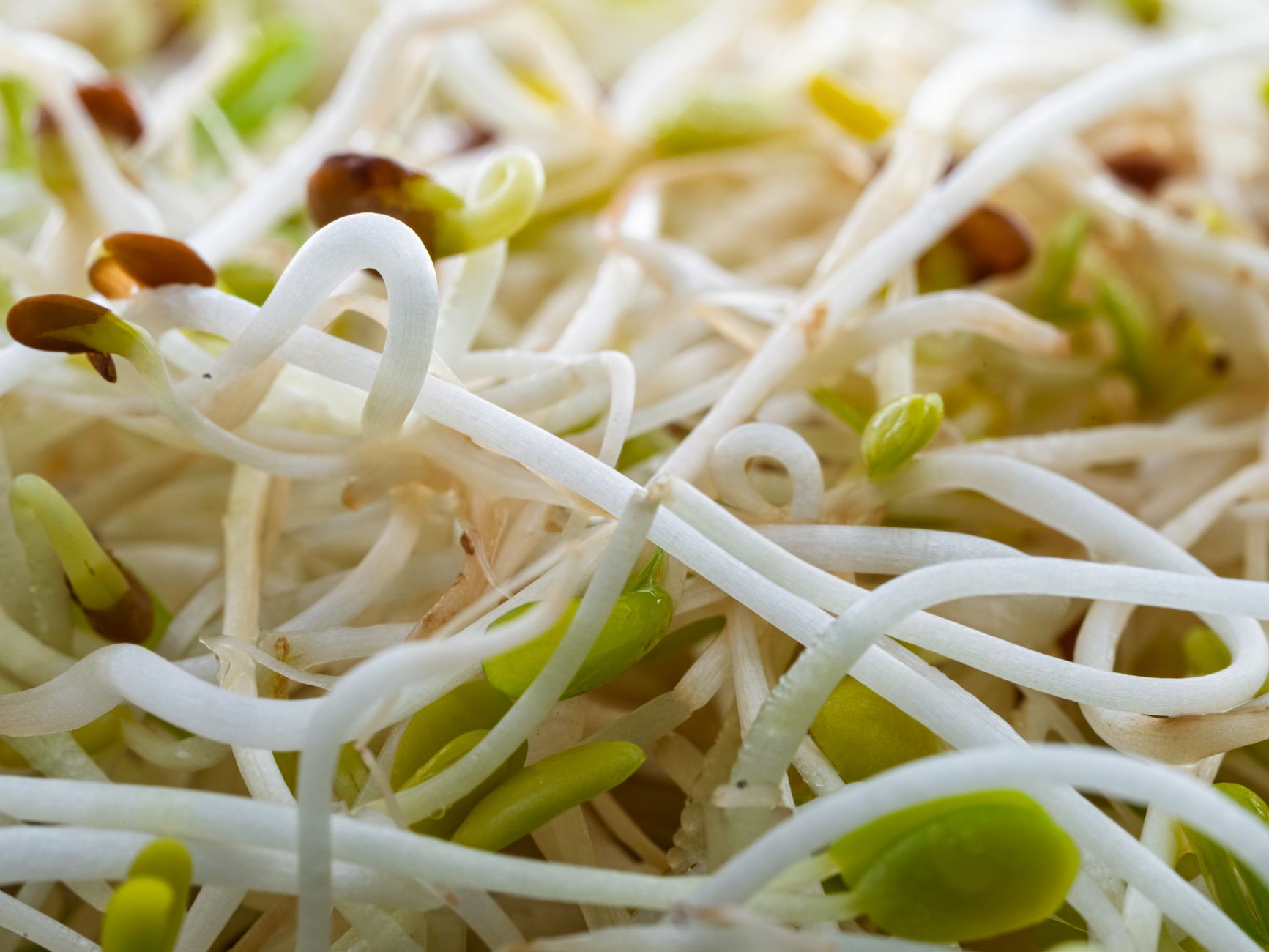
Pregnancy comes with many dietary considerations to ensure the health and safety of both mother and child. One of the common queries expectant mothers have is whether they can safely include bean sprouts in their diet. These crunchy, nutritious additions can enhance salads, stir-fries, and sandwiches. But is it safe to consume them while pregnant?
Bean sprouts, particularly those from mung beans and soybeans, are rich in vitamins and fiber, making them a popular choice for adding crunch and nutrition to meals. However, there are important safety considerations regarding their consumption during pregnancy. Let’s explore these aspects in depth to help you make informed choices about including bean sprouts in your pregnancy diet.
Can I Have Bean Sprouts While Pregnant?
Yes, you can eat bean sprouts while pregnant, but with precautions. Raw or undercooked bean sprouts pose a risk of carrying harmful bacteria such as E. coli or Salmonella. Proper cooking can eliminate these risks, making cooked bean sprouts a nutritious option for expectant mothers.
Understanding Bean Sprouts
Bean sprouts are germinated seeds of various beans, the most common being mung beans and soybeans. They are often used in Asian cuisine and praised for their crisp texture and refreshing flavor. Here’s a closer look at their nutritional profile and culinary uses.
Nutritional Profile
Bean sprouts are low in calories and packed with essential nutrients. A typical serving of raw mung bean sprouts (about 100 grams) contains:
- Calories: 30
- Protein: 3 grams
- Carbohydrates: 6 grams
- Dietary Fiber: 2 grams
- Vitamin C: 13 mg (about 22% of the recommended daily intake)
- Folate: 61 mcg (about 15% of the recommended daily intake)
The nutrient content may vary slightly depending on the type of bean sprouts, but they generally offer a good source of vitamins, minerals, and antioxidants.
Culinary Uses
Bean sprouts can be used in a variety of dishes:
- Stir-fries: Add them to vegetable stir-fries for crunch.
- Salads: Use them in fresh salads for added texture.
- Soups: Include them in noodle soups or broths.
- Wraps and sandwiches: They can enhance the flavor and nutrients in wraps or sandwiches.
Safety Considerations
While bean sprouts can be nutritious, it’s important to consider food safety, especially during pregnancy. Raw bean sprouts can harbor harmful bacteria that can cause foodborne illnesses. Pregnant women have a higher risk of such infections, which can lead to complications.
Risks of Eating Raw Bean Sprouts
Raw or lightly cooked bean sprouts can carry pathogens due to the warm, humid conditions in which they are grown. Notable risks associated with raw bean sprouts include:
- Foodborne Illness: Sprouts can be contaminated with E. coli or Salmonella, leading to serious gastrointestinal issues.
- Pregnancy Complications: Infections can cause dehydration, fever, and may lead to complications for both the mother and baby.
To minimize these risks, it’s advisable to practice safe food handling and cooking techniques.
Cooking Bean Sprouts Safely
Cooking bean sprouts can significantly reduce the risk of foodborne illness. Here are some safe cooking methods:
Stir-Frying Bean Sprouts
- Heat a tablespoon of oil in a skillet over medium-high heat.
- Add the bean sprouts and stir-fry for about 2–3 minutes until they are tender but still crisp.
- Season with soy sauce or other desired seasonings and serve.
Boiling Bean Sprouts
- Bring a pot of water to a rolling boil.
- Add bean sprouts and boil for 1–2 minutes.
- Drain them and rinse with cold water to stop the cooking process.
Steaming Bean Sprouts
- Fill a steaming pot with water and bring to a simmer.
- Add bean sprouts to the steamer basket and cover.
- Steam for 3–5 minutes until they are tender.
Portioning and Serving Suggestions
When considering how much to include in your meals, moderation is key. Bean sprouts can be a great addition to a balanced diet, but portion sizes should be kept in mind. Aim for:
- 1/2 cup of cooked bean sprouts as part of a meal.
- Incorporate them into different dishes to maximize nutrient intake throughout the week.
Pair cooked bean sprouts with other nutrient-rich foods like leafy greens, lean proteins, and whole grains for a balanced meal.
Common Mistakes to Avoid
When preparing bean sprouts, it’s essential to avoid these common mistakes:
- Skipping the Cooking Step: Consuming raw or undercooked sprouts can be risky.
- Improper Storage: Storing bean sprouts at room temperature can lead to bacterial growth. Keep them in the refrigerator and consume within a few days for the best freshness.
- Ignoring Hygiene: Always wash your hands, tools, and surfaces after handling raw sprouts to prevent cross-contamination.
Practical Tips for Enjoying Bean Sprouts
Here are some practical tips to safely enjoy bean sprouts during pregnancy:
- Buy fresh bean sprouts from reputable sources to reduce the risk of contamination.
- Consume them as soon as possible after purchase, preferably within a few days.
- Cook bean sprouts thoroughly before consuming to eliminate harmful bacteria.
- Experiment with adding cooked bean sprouts to your meals for extra crunch and nutrients.
Alternatives to Bean Sprouts
If you’re hesitant about including bean sprouts in your diet, there are several alternatives that can provide similar textures and nutritional benefits:
- Cooked Snow Peas: They offer a sweet flavor and crunchy texture.
- Cooked Broccoli Shoots: They are rich in nutrients and can be used in similar dishes.
- Cabbage: Shredded cabbage can add crunch to salads and stir-fries.
Conclusion
Bean sprouts can be a beneficial part of your pregnancy diet when prepared and consumed safely. Cooking bean sprouts eliminates harmful pathogens, allowing you to enjoy their nutritional benefits without compromising your health. Always prioritize fresh, quality ingredients and practice safe food handling to maintain a healthy diet throughout your pregnancy.
For more delicious ways to cook with bean sprouts, check out this bean sprouts recipe or explore fried squash for a nutritious side dish.