
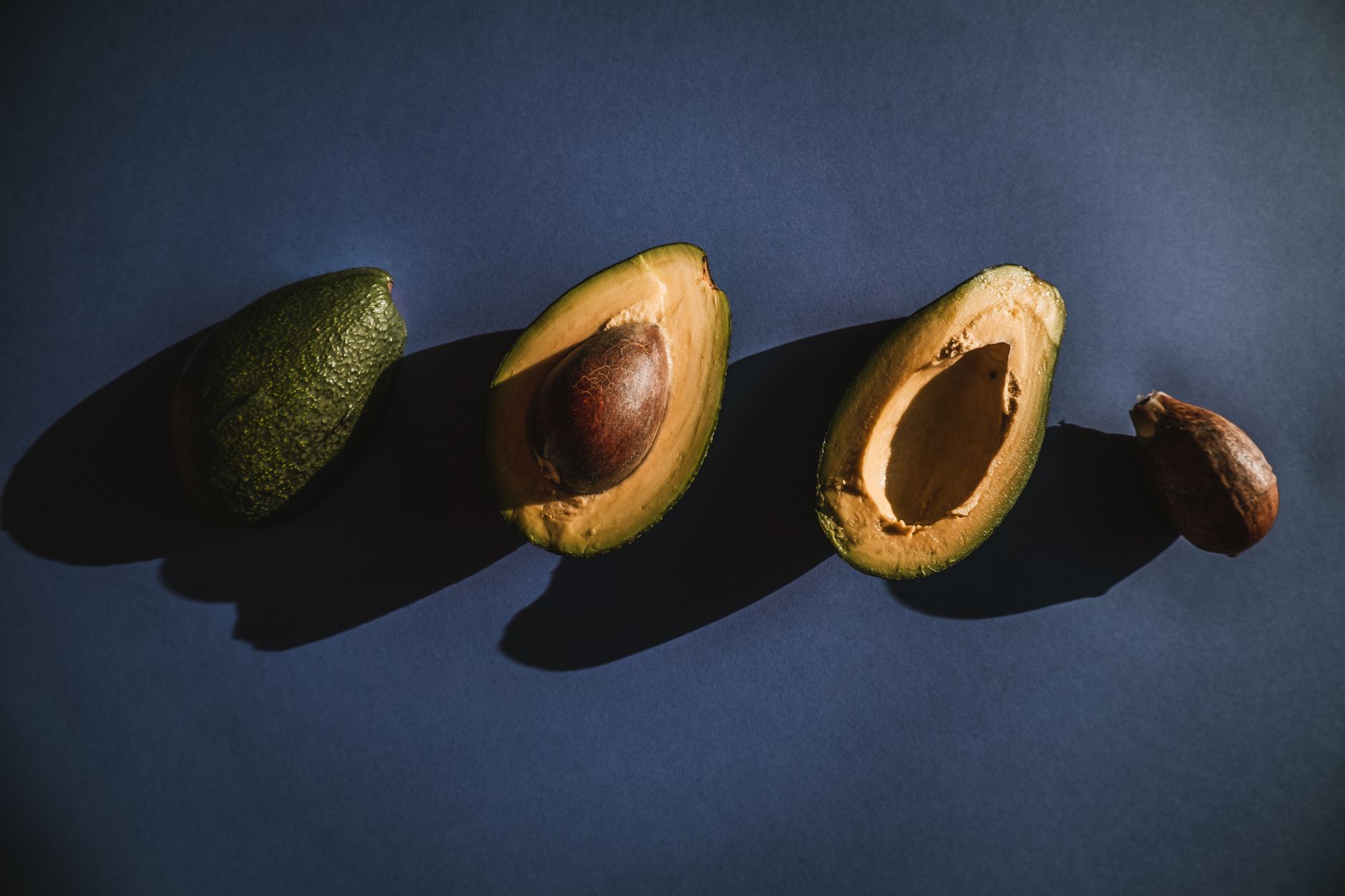
Avocados are beloved for their creamy texture and versatility in many dishes. They are not only delicious but also offer various health benefits. A common question that arises is regarding their calorie content. Understanding avocado calories can help individuals incorporate them into their diets effectively while maintaining balanced nutrition.
This article explores how many calories an avocado has per serving, break down the nutritional information, and discusses the culinary uses, benefits, and tips for enjoying this nutrient-dense fruit.
How Many Calories Does an Avocado Have?
On average, a whole medium avocado contains about 234 calories. The calorie count can vary based on the size of the avocado, with smaller ones containing around 160 calories and larger ones reaching up to 300 calories or more. Understanding these values can help you make informed dietary choices.
Avocado Nutritional Profile
Besides being energy-dense, avocados are packed with nutritional goodness. Here’s a brief look at their nutritional breakdown per medium avocado (approximately 200 grams):
- Calories: 234
- Total Fat: 21 grams
- Saturated Fat: 3 grams
- Monounsaturated Fat: 14.7 grams
- Polyunsaturated Fat: 2.6 grams
- Sodium: 10 milligrams
- Total Carbohydrates: 12.5 grams
- Dietary Fiber: 9.2 grams
- Sugars: 0.2 gram
- Protein: 2.9 grams
- Vitamin K: 26% of the DV (Daily Value)
- Folate: 20% of the DV
- Vitamin C: 17% of the DV
- Vitamin E: 10% of the DV
- Potassium: 14% of the DV
- Magnesium: 7% of the DV
This profile demonstrates that avocados are not just high in calories; they provide essential nutrients that contribute to overall health.
Health Benefits of Avocado
Incorporating avocados into your diet can provide numerous health benefits. Here are some of the key benefits:
- Heart Health: The monounsaturated fats in avocados can help lower bad cholesterol levels, reducing the risk of heart disease.
- High in Fiber: Avocados are a great source of dietary fiber, which aids in digestion and contributes to feelings of fullness.
- Nutrient Absorption: Eating avocados can enhance the absorption of fat-soluble vitamins (A, D, E, and K) from other foods.
- Rich in Antioxidants: Avocados contain powerful antioxidants, such as lutein and zeaxanthin, which are beneficial for eye health.
- Bone Health: The vitamin K in avocados plays a vital role in bone mineralization and health.
How to Choose and Store Avocados
Choosing the right avocado can enhance your culinary experience. Here are some tips:
Selecting the Perfect Avocado
- Ripeness: Gently squeeze the avocado; it should yield slightly to pressure but not feel mushy. Avoid avocados with dark blemishes, which can indicate overripeness.
- Color: Look for a dark green to black color, which is indicative of ripeness. Bright green avocados are likely underripe.
- Shape: A symmetrical shape usually indicates a well-formed fruit, while oddly shaped ones may have growth issues.
Storing Avocados
To keep avocados fresh:
- Unripe Avocados: Store at room temperature until they ripen. Once ripe, they should be consumed within a few days.
- Cut Avocados: If you’ve cut an avocado, sprinkle the exposed flesh with lemon juice to slow down browning, then cover tightly with plastic wrap and refrigerate for up to 1-2 days.
- Freezing: While freezing whole avocados is not recommended, you can freeze mashed avocado for up to six months in airtight containers.
Culinary Uses of Avocado
Avocados are incredibly versatile and can be integrated into various dishes. Here are some popular uses:
- Salads: Add diced avocado to salads to enhance creaminess and nutritional value.
- Spreads: Mash avocados to create spreads for toast, sandwiches, or bagels.
- Salsas: Incorporate diced avocado into salsas for chunky textures and rich flavor.
- Smoothies: Blend avocados into smoothies for a creamy texture without added dairy.
- Desserts: Use avocados in recipes for chocolate mousse for a decadent yet healthier dessert option.
Common Avocado Recipes
Here are a couple of delectable recipes that prominently feature avocados:
Avocado Toast
This simple dish is perfect for breakfast or a snack. Here’s what you need:
- 1 ripe avocado
- 2 slices of whole-grain bread
- Salt to taste
- Freshly cracked black pepper
- Optional toppings: cherry tomatoes, radishes, feta cheese, or poached egg
Instructions:
- Toast the slices of bread until golden brown.
- While the bread is toasting, cut the avocado in half, remove the pit, and scoop the flesh into a bowl.
- Using a fork, mash the avocado until creamy. Add salt and pepper to taste.
- Spread the mashed avocado onto the toasted bread.
- Add any optional toppings of your choice, and enjoy!
Guacamole
This crowd-pleaser is perfect as a dip for chips or a topping for tacos. Ingredients include:
- 2 ripe avocados
- 1 lime, juiced
- 1 small onion, finely chopped
- 1 clove garlic, minced
- 1 medium tomato, diced
- Salt to taste
- Fresh cilantro (optional)
Instructions:
- In a bowl, mash the avocados.
- Add lime juice, onion, garlic, tomato, and cilantro (if using), and mix until combined.
- Season with salt to taste.
- Serve immediately with tortilla chips or as a topping.
Substitutions and Variations
While avocados are unique, there are alternatives that can be used in various recipes:
- For Creaminess: If you don’t have avocados, consider using Greek yogurt or silken tofu for a creamy texture.
- For Healthy Fats: Use nut butters such as almond or cashew butter in smoothies if you’re looking for fats without avocados.
- For Flavor: Use hummus or bean spreads for flavor contrasts instead of avocado spread.
Common Mistakes to Avoid
While cooking or preparing dishes with avocado, be mindful of these common pitfalls:
- Overripe Avocados: Using avocados that are too soft can lead to a mushy texture and unappetizing taste.
- Improper Storage: Failing to store cut avocados correctly can lead to browning. Use lemon or lime juice to slow this down.
- Excessive Seasoning: Over-seasoning avocado dishes can mask its delicate flavor; season lightly.
Serving Suggestions
When serving avocado-based dishes, pair them with complementary flavors:
- Spicy dishes: The buttery texture of avocado can balance spicy entrees.
- Citrus: Lime and lemon juices enhance the overall flavor of avocado dishes.
- Fresh herbs: Adding ingredients like cilantro or parsley brightens up the flavors.
Conclusion
Avocados are not only delicious but also boast a rich nutrient profile, making them a fantastic addition to your diet. Being mindful of their caloric content is essential for those tracking their intake, but their health benefits often outweigh concerns about calories. Whether you enjoy them in a salad, on toast, or as part of a dip, avocados enhance both flavor and nutrition on every plate.
For delicious avocado recipes, try our avocado bread recipe or whip up some avocado crema. Discover the versatility and flavor of this exceptional fruit today.